
Last Updated on October 24, 2026 by Umar Farooq
Why is my window sill wet inside? Almost always because water condensed on the cold glass and ran down onto the sill, but if the sill is wet while the glass is dry, or only after rain, water is getting in from outside. Those are two very different jobs, and four minutes of looking tells you which one you have.
I would rather you did the looking than bought sealant on a hunch. Most wet sills I hear about turn out to be a humid room, not a failed window.
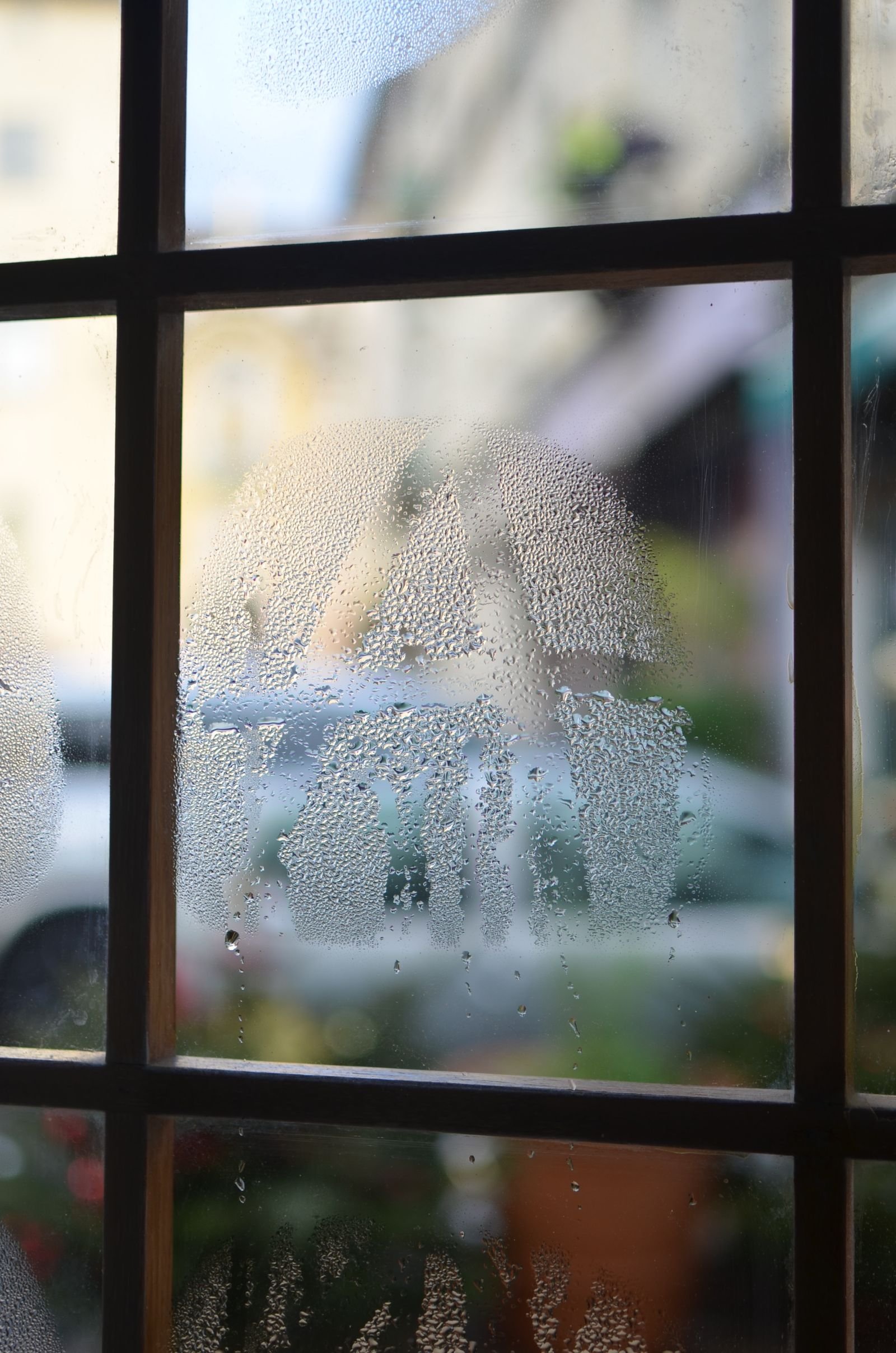
Four checks that tell condensation from a leak
Do these in order, ideally on a cold morning and again after rain.
- When is it wet? Wet on cold, still mornings with no rain points to condensation. Wet only during or after rain points to a leak. Wet in every kind of weather points to both, or to a wet wall behind the sill.
- Is the glass wet too? Run a dry finger down the inside of the pane. Beaded or streaming glass above a wet sill means the water came off the glass. A bone-dry pane over a wet sill means the water came from somewhere else.
- Where exactly is the water? Condensation collects along the bottom edge, in the corners and under the glazing bead, spread fairly evenly along the sill. A leak tends to show as one patch, a stain on the wall beneath, or a trickle at one corner or joint.
- What is it like outside? Cold air outside plus warm, cooked-and-showered air inside is the condensation recipe. A dry, mild day with a wet sill makes condensation unlikely.
| What you see | Most likely cause | First move |
|---|---|---|
| Wet glass, wet sill, cold dry morning | Condensation | Lower humidity, see below |
| Wet only after rain, glass dry | Leak at frame, flashing or seal | Look outside, then the frame |
| Moisture between the two panes | Failed double-glazing seal | Seal needs replacing |
| Wet in all weather, damp wall below | Wall moisture or both | Rule out a leak first |
For the full story of why glass goes cold and wet, I have already covered why condensation forms on windows, so I will not repeat it here.
Why is my window sill wet inside? Usually condensation on the glass
Water vapour from breathing, cooking, showers and drying clothes sits in room air. When that air touches a surface colder than its dew point, the vapour turns to liquid. Glass is the coldest surface in most rooms, so it wets first, and gravity delivers the water to the sill.
The people who make windows say the same. Andersen Windows states that interior condensation happens because indoor humidity is too high, not because something is wrong with the window. The EPA’s brief guide to mould, moisture and your home treats condensation on windows as a sign of high humidity to deal with quickly, and recommends keeping indoor relative humidity below 60 percent, ideally 30 to 50 percent.
My own view: a sill that is wet on winter mornings and dry by lunchtime is giving you a free humidity reading. It is not a defect, and it is not an emergency, but a wet sill that never gets dried will rot paint and bare wood in the end, so do not ignore it.
Dry the sill and cut the water supply
None of this is clever. It is just the order that works.
- Wipe the glass and sill each morning with a cloth or a small squeegee, then wring the cloth out. Water you remove cannot soak into the sill.
- Run the extractor fans while cooking and showering and for a while afterwards. Andersen’s advice is to vent fans, dryers and gas appliances outdoors.
- Open the curtains or blinds by day, so warmer room air can reach the glass. If the wettest part is behind fabric, see condensation behind curtains.
- Keep the sill clear. Plants, a full row of ornaments and tucked-in curtains trap still air against the glass. Pot plants also add moisture, though I have not measured how much.
- Buy a cheap hygrometer and aim for the 30 to 50 percent range the EPA gives. Do not guess.
- Ventilate at night too. A shut bedroom full of sleepers is the classic wet-sill-at-8am setup. How to ventilate a bedroom at night has the options. For the wider list of fixes, how to stop condensation on windows goes through them.
When the sill is wet and the glass is dry
If your glass passed the finger test, stop blaming condensation. Hunker lists the usual routes for water into a window: cracks where the frame meets the wall, leaks within the frame, and a deteriorated glazing seal or putty. Its suggested way to find the source is to spray suspect areas of the exterior with a hose and watch the inside, which I think is sensible, though it is easier with a second person.
Check these, outside first:
- Cracked or missing sealant where the frame meets the brickwork.
- Flashing or cladding that has moved and left a gap, if the window sits in cladding.
- Blocked drainage slots in the frame. These small holes let rainwater out of the frame, and tape, paint or dirt can stop them.
- Overflowing gutters or a leaking downpipe above the window. Water streaming down the wall can find the frame.
- A cracked sill or no drip groove on a stone or concrete sill, so water runs back to the wall.
Do not chase a roof or gutter fault on a ladder in wet or windy weather. If the line of the leak leads upward, ask a roofer to look.
Moisture between the panes means the seal has gone
If the mist is trapped inside a double-glazed unit, wiping will not help. Andersen says that condensation between the panes indicates the seal has failed. That is a glazing fault, not a humidity one, and the repair is usually a replacement unit. It is also the one case where I would call someone in, and only if the cloudy panes bother you, because a failed unit is not a flood risk.
What to do if the sill is already marked or mouldy
Fix the water first, then clean. The EPA says cleaning mould without fixing the moisture problem usually lets it return, and it treats areas under about 10 square feet (roughly 1 square metre) as something most people can clean themselves. A few black specks at the base of the glass is common on a window that has been wet for weeks. Mould around windows covers the cleaning and prevention.
Soft, flaking or swollen timber is different. If a screwdriver sinks into the sill, the water has been getting there for a long time and it is more than a morning wipe can fix.
A wet sill is a message: read the glass, the weather and the pattern
Dry glass over a wet sill, or a sill that only wets in rain, means a leak and you should trace it outside. Wet glass on a cold morning means the air is too damp, and the cures are humidity, ventilation, a quick morning wipe and a clear sill. Do the four checks before you spend money.
FAQ
Is it normal for a window sill to be wet inside?
A little water on the sill on cold mornings is common and usually condensation. It is worth acting on if it happens most mornings, because repeated wetting damages paint and timber.
Why is my window sill wet but the window is dry?
That points away from condensation. Look for a leak at the frame, sealant, flashing or gutter above, especially if it happens after rain.
Why is my window sill wet only when it rains?
Rain is getting in from outside. Check the exterior sealant, blocked drainage slots in the frame and any overflowing gutter above the window.
Can condensation make a window sill rot?
It can, if the sill stays wet. Painted or bare wood that is damp every morning for months can soften and peel, so wipe it dry and bring the humidity down.
Does a dehumidifier stop a window sill getting wet?
It can help if the cause is condensation, because it lowers the humidity in the room. It does nothing for a leak, so run the four checks first.

