
Last Updated on October 24, 2026 by Umar Farooq
Why does mold keep coming back? Because cleaning removes the growth but not the cause: the leak, the cold surface or the damp air that fed it is still there. The patch is a symptom, and wiping a symptom is a subscription service you pay for every few weeks.
If the same spot has returned twice, stop reaching for the spray. The useful question is what is wetting that spot, and it has a short list of answers.
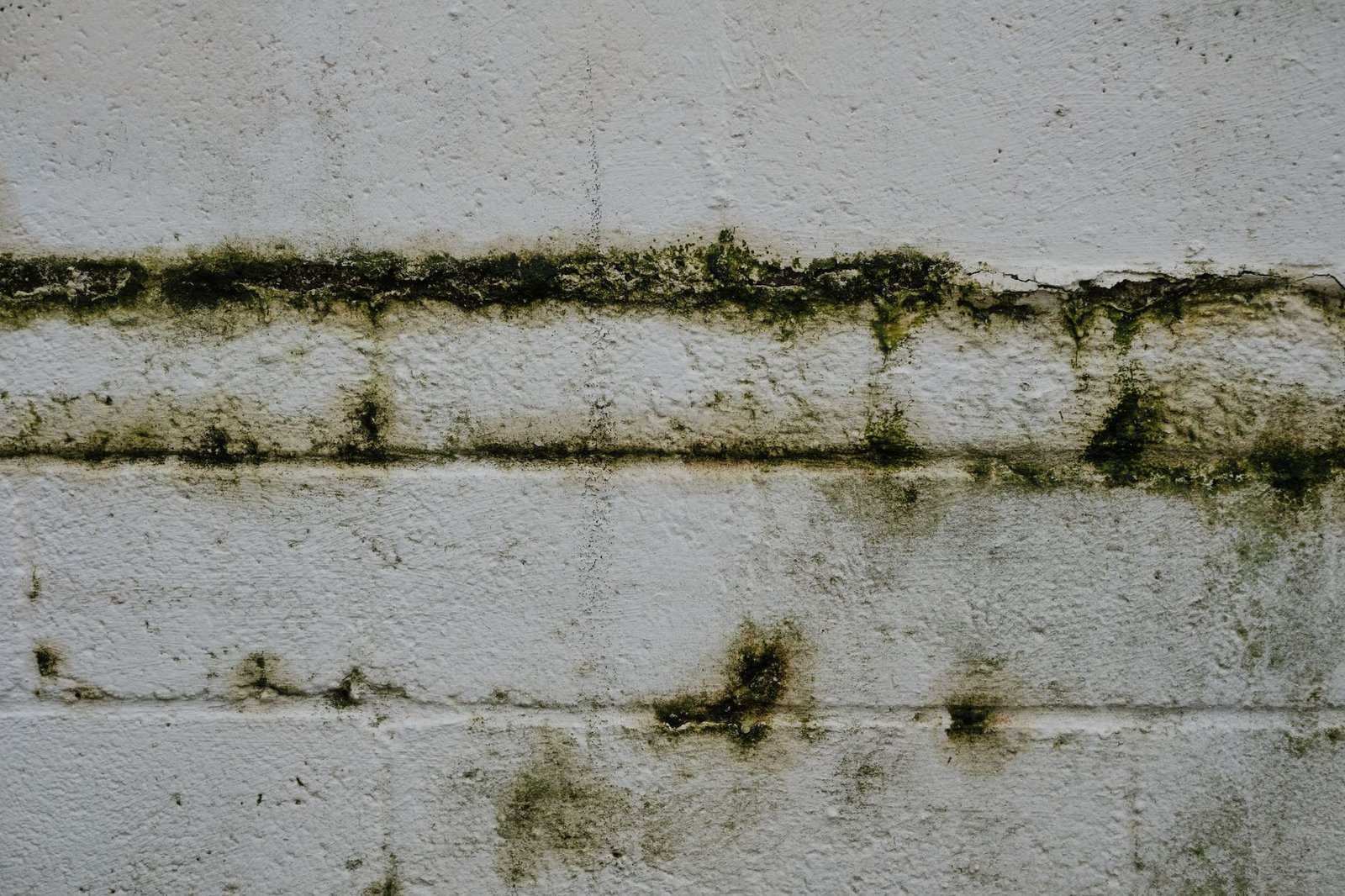
Why does mold keep coming back when the wall looks clean?
Mould needs moisture, and little else that a house does not already supply. The EPA puts it bluntly: the key to mold control is moisture control. Its clean-up advice starts the same way, telling you to fix plumbing leaks and other water problems as soon as possible and then dry everything completely.
So a clean wall is only half a job. Scrub the surface and you remove what you can see, but the wall is still wet, or still cold enough to collect condensation, or still sitting in air that never dries. The growth that returns is not a “stubborn” strain. It is the same cause producing the same result.
How fast it comes back is a rough measure of how wet the cause is. A patch that returns in weeks usually points to a live source. One that reappears each winter usually points to condensation. That timing is my rule of thumb rather than a measured figure, but it tells you which check to start with.
Find the water first, because it is the most likely culprit
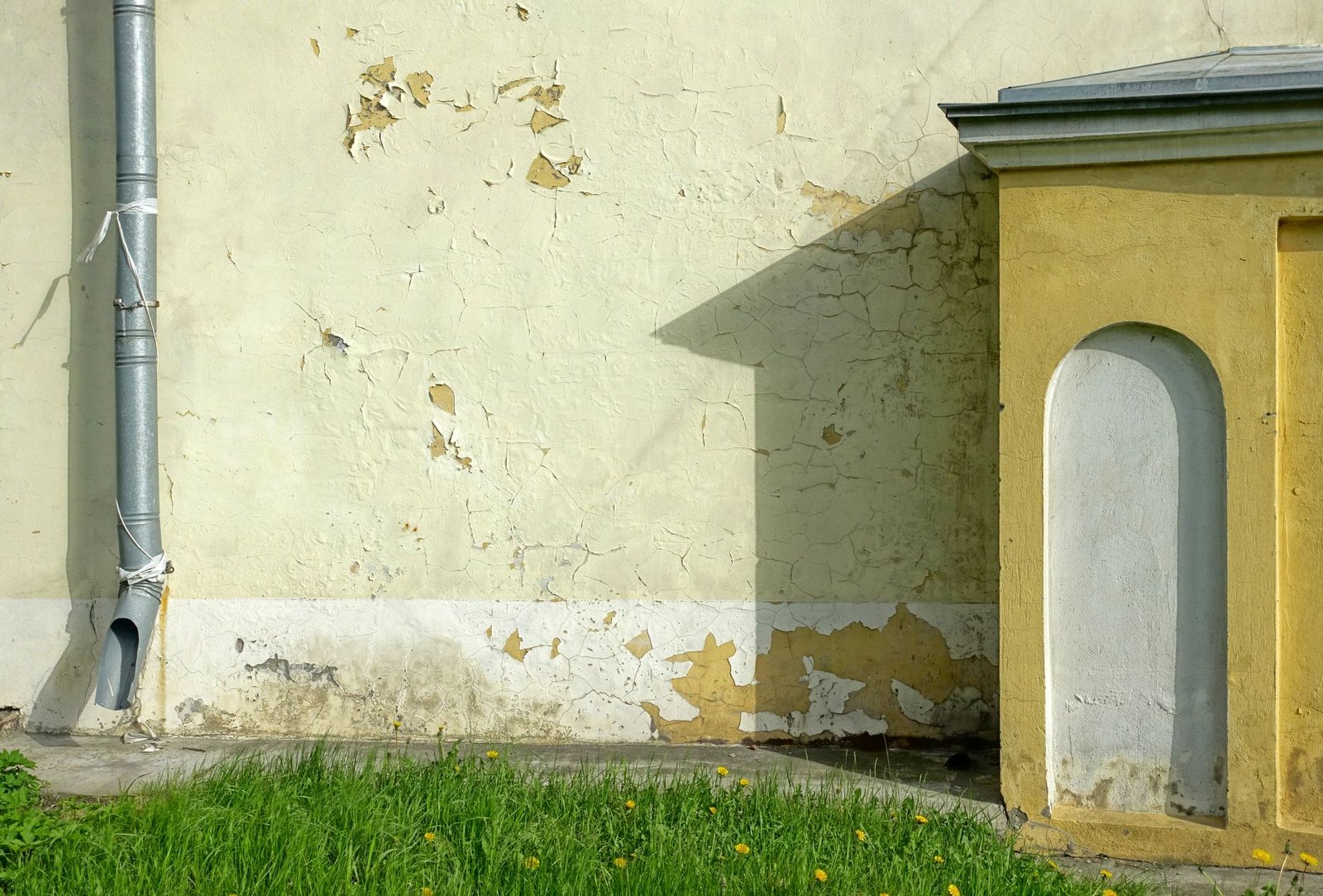
Water arrives by four routes, and three of them hide. Walk the house with a torch and a notebook:
- From above: roof tiles, flashings, blocked gutters, and a stain that grows after rain.
- From pipes: a slow leak behind a bath panel or under a sink, which can feed a patch for months before anything drips.
- From outside, at ground level: a raised flowerbed, a leaking downpipe or soil piled against the wall.
- From inside, as vapour: showers, cooking and drying washing, which put water on surfaces without any leak at all.
Test the first three by timing. Does the patch darken after rain, or after the shower runs, or after the washing machine finishes? If it does, you have found a source and no amount of cleaning will beat it. The repair is the cure, so this is the point to call a plumber or roofer.
If none of the three fits, the water is probably vapour, which leads to the next check.
Look for the cold spot, because mould follows the coldest surface
Warm indoor air holds more moisture than cold air. When it meets a surface colder than itself, some of that moisture turns to liquid on the surface. That is condensation, and it is why mould favours the places that never warm up: outside corners, the wall behind a wardrobe, window reveals, the ceiling under a cold roof.
The tell-tale is a patch with a shape. Mould along the top corner of an outside wall, or in a neat rectangle behind a sofa, is describing the cold surface underneath. If yours matches, read why mould grows behind furniture or why it forms around windows, because both are this same mechanism in a specific place.
Insulation and heat fix the surface; ventilation fixes the air. The EPA’s advice includes covering cold surfaces such as cold-water pipes with insulation, but for walls the practical version is simpler: keep furniture off outside walls and heat the room evenly rather than in bursts.
Check ventilation and humidity together

Ventilation and humidity are two views of the same problem: moisture made indoors has nowhere to go. The EPA suggests keeping indoor humidity below 60 percent, ideally between 30 and 50 percent, and recommends running exhaust fans while showering and cooking. Two practical checks:
- Does the extractor fan actually move air? Hold a tissue to it. If the tissue does not cling, or the fan vents into the loft instead of outside, it is decoration.
- What is the real humidity? A hygrometer costs little. Leave one in the problem room for a week and read it morning and evening. If it sits above 60%, that is your answer, and a dehumidifier plus brief window-opening when the air outside is drier will start to bring it down.
Do the checks in the order of the diagram. Water first, because a leak makes everything else irrelevant. Cold spots second, because they explain the patches that have a shape. Ventilation and humidity last, because they are the background level on which the other two operate.
Does the cleaner you use change anything?
Less than people hope. Whatever you wipe with, the cause is untouched, and what the EPA tells you to do for hard surfaces is scrub with detergent and water, and dry completely. If you are comparing products anyway, whether alcohol kills mould is the honest short version of that debate. Porous materials behave differently: the EPA says absorbent or porous materials, such as ceiling tiles and carpet, may have to be thrown away if they become mouldy. Painting over a patch does not change the answer either; it buries the evidence.
When the patch is bigger than 10 sq ft, stop wiping
The EPA’s household line is less than about 10 square feet, roughly a 3 ft by 3 ft patch. That is about 0.9 m². Under it, most people can handle the clean-up themselves, once the water is sorted. Over it, the job has changed.
Get the tape measure out and be honest, because everyone’s patch is “about a handful” until it is measured. A patch that is large, keeps spreading after you have fixed the obvious cause, or sits on something you cannot dry (soaked plaster, carpet underlay, insulation) is a building problem rather than a cleaning one. That is the point to get a damp survey or a professional assessment, before the second bottle of spray rather than after. For the cleaning routine on a small patch, how to get mould off walls walks through it.
The patch is the message: fix the building, then clean once
When people ask me why mold keeps coming back, the honest answer is that it never left. Cleaning changed how the wall looks. The leak, the cold corner or the 70% air stayed exactly as they were.
So the order is the whole method: find the water, find the cold spot, fix the air, then clean the patch once and watch it for a month. If it is still clean at the end of that month, you fixed the cause. If it is not, you have learned something for free. For the wider routine that keeps the whole house under the humidity threshold, the mould prevention guide is the place to start.
FAQ
Why does mold keep coming back after I clean it with bleach?
Because the cleaner only deals with what is on the surface. If the wall is still wet, cold or sitting in humid air, growth restarts from the damp, not from anything the bleach left behind. Fix the moisture first, then clean once.
Why does mold keep coming back in the same spot?
The spot is usually the coldest or wettest part of the room: an outside corner, the area behind a wardrobe or a patch below a leaking pipe. Mould grows where the moisture is, so the same conditions produce the same patch.
How long does it take for mold to come back?
It varies with how wet the cause is, and I have no measured figure to give you. A live leak can bring it back within weeks; winter condensation tends to bring it back each cold season.
Does painting over mold stop it coming back?
No. Paint covers the stain and leaves the moisture in place, so the patch can show through again or grow behind the paint. Dry the surface and fix the cause before any decorating.
How do I stop mold coming back for good?
Remove the water source, insulate or heat cold surfaces and move furniture off outside walls, ventilate moisture out at source, and keep indoor humidity below 60%, ideally 30 to 50%. Then clean the patch once and monitor it.

