
Last Updated on October 24, 2026 by Umar Farooq
How to get rid of mould on walls: stop the water feeding it, wipe a small patch (under about 10 sq ft / 0.9 m²) off a hard surface with detergent and water, then dry the wall completely before you paint or paper anything. Notice that the bottle of “mould killer” is not in that sentence.
Most wall advice is a shopping list. I think the order matters far more than the product: water, then wipe, then dry. Get that backwards and you are repainting the same corner every spring.
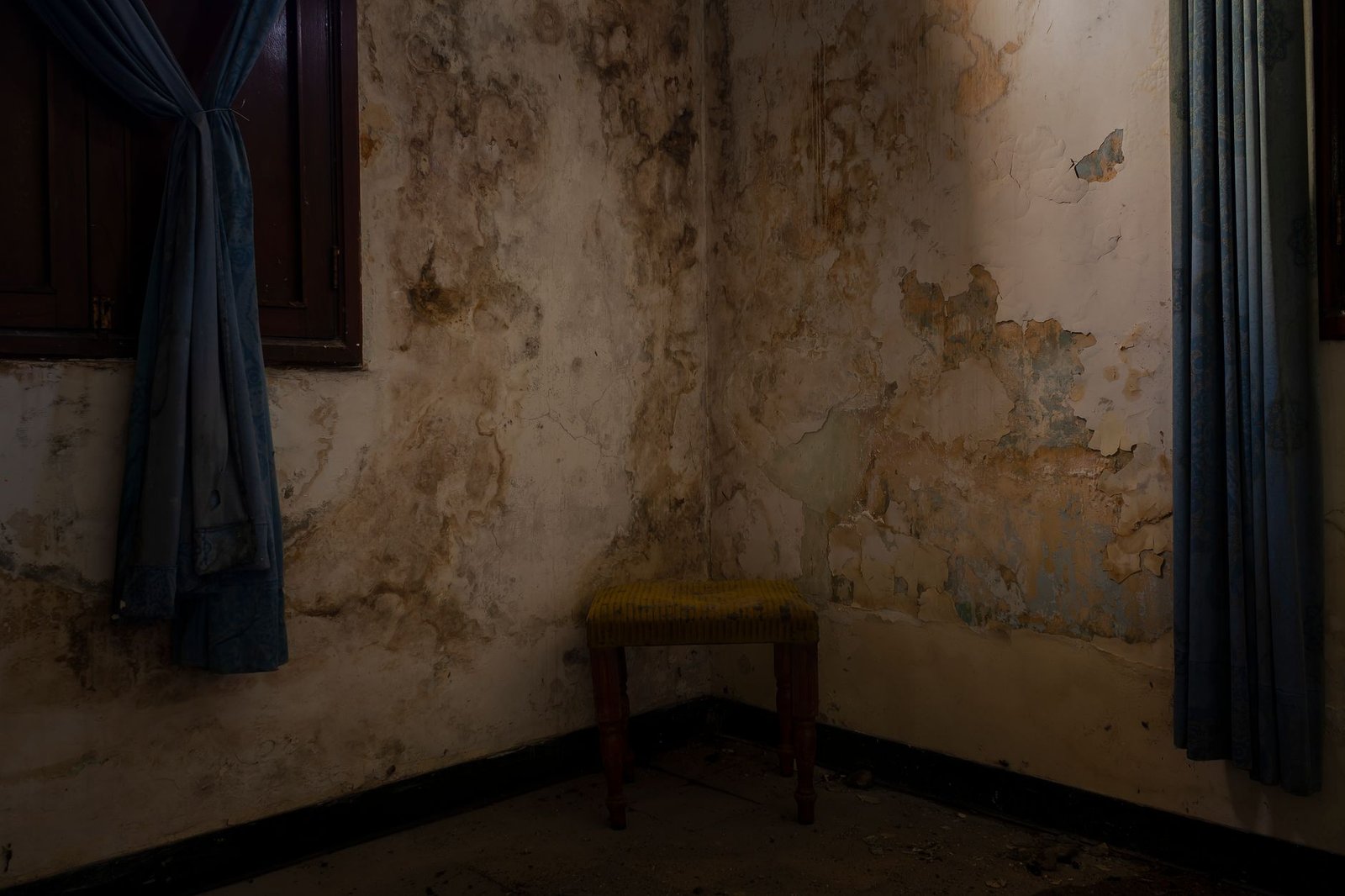
Stop the water first, or you are cleaning on a timer
Mould needs moisture, and the EPA is blunt about it: the key to mould control is moisture control. Its clean-up page adds the instruction to fix plumbing leaks and other water problems as soon as possible. Wipe a wall that is still being wetted and you have bought a few weeks, at best.
On interior walls the water nearly always comes from one of three places:
- Condensation. Mould sits on the coldest parts of the wall: outside corners, behind wardrobes, above windows. The wall is not leaking, the air is simply wetter than the surface can cope with. Three cheap checks tell condensation from damp.
- A leak. Staining that follows a pipe, sits under a window sill or appears below a bathroom is liquid water, not humidity.
- Water from outside. A blocked gutter or failed pointing can soak a wall from the other side. The patch is usually worse after rain.
A dehumidifier helps with the first and does very little for the other two. That is the honest limit of the machine.
If the wall got wet in a one-off event, speed matters. The EPA says that drying materials within 24 to 48 hours of a leak or spill will in most cases prevent mould growing. That is a drying deadline for wet materials, not a promise about what a humid room does; the slower reality is covered in how long mould takes to grow.
Measure the patch: under 10 sq ft is yours, over it is not
Get a tape measure and do the unglamorous bit. The EPA says that if the mouldy area is less than about 10 square feet, roughly a 3 ft by 3 ft patch, most people can handle the clean-up themselves. Above that, it points you to its guidance for larger jobs and professionals.
I would add two rules of my own, which are judgement and not EPA text. If you cannot see where it ends, treat the size as unknown. And if the mould sits behind a wardrobe-sized gap, behind lining paper or on a ceiling below a bathroom, assume the visible part is the smaller part.
If you are not sure what you are looking at, what black mould looks like helps you separate it from dirt and shadow.
Painted plaster, wallpaper or brick: what changes
The wall surface decides how hard you can scrub, and whether you can rescue it at all. The EPA instruction is for hard surfaces: scrub with detergent and water, and dry completely. It also says absorbent or porous materials may have to be thrown away if they become mouldy. It does not mention wallpaper or plasterboard by name, so the table below is my reading of that principle.
| Surface | How it behaves | What I would do |
|---|---|---|
| Painted plaster (emulsion or gloss) | Fairly sealed; mould mostly sits on the paint film | Wipe with detergent and water on a damp cloth, then dry fully |
| Wallpaper | Paper and paste soak up water; mould can sit behind it | Wipe the surface if it is a small patch; if it comes back or the paper lifts, strip it and treat the wall |
| Paper-faced plasterboard | Porous; stays wet longer than plaster | Clean lightly, dry thoroughly; cut out and replace if it is soft or stained through |
| Brick or masonry | Rough and absorbent, but robust | Wipe or sponge with detergent and water, dry slowly; white powder is usually salt from moving water, not mould |
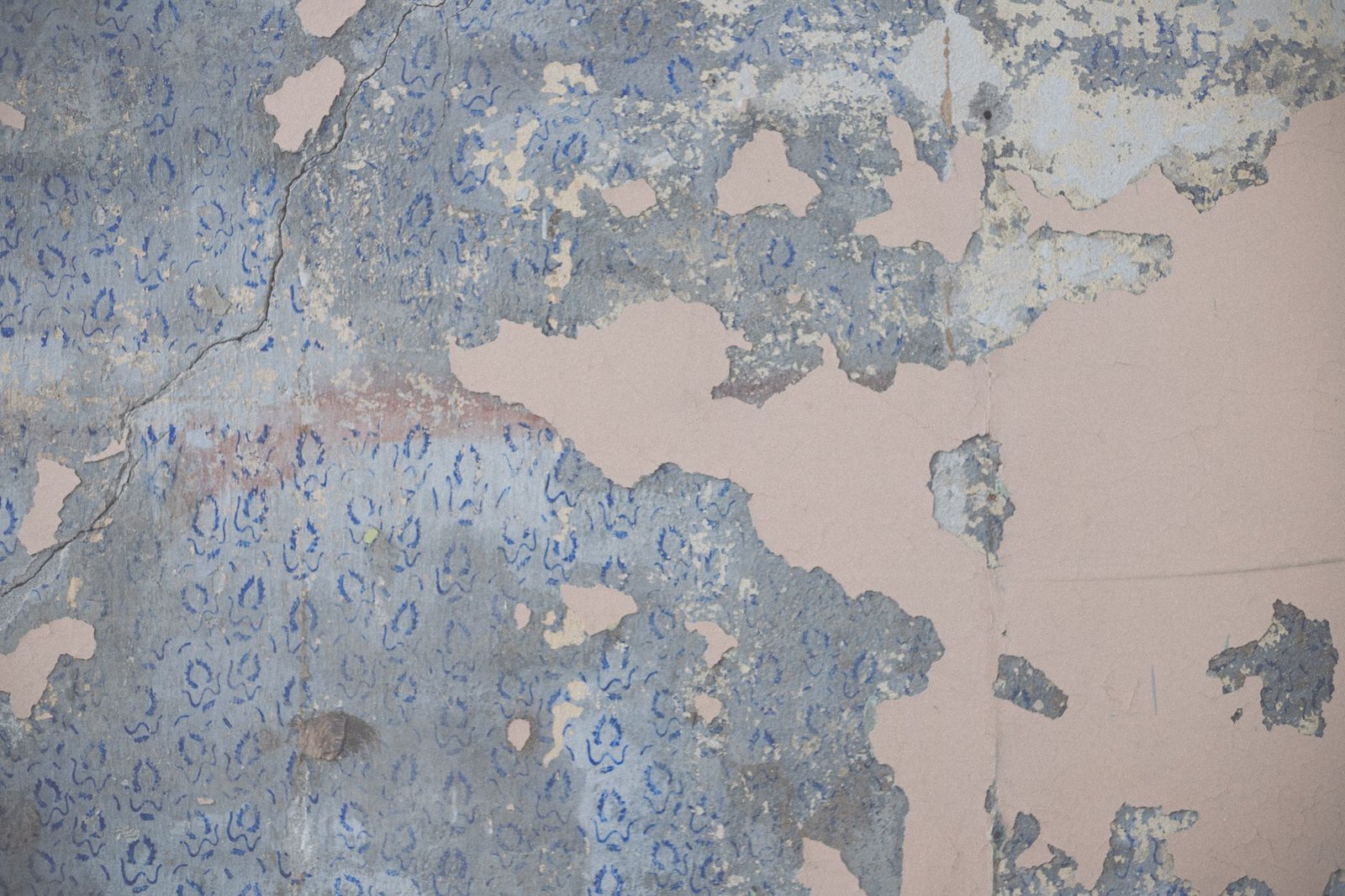
Wallpaper is where most people go wrong. A mouldy patch on the paper can be a mouldy patch on the wall behind it, and the only way to know is to look. Paint is easier: it is hard enough to be treated as a hard surface, provided the plaster beneath is dry.
How to get rid of mould on walls without spreading it
Never mix cleaning products, especially bleach with anything else, and ventilate the room while you work. The EPA advises that anyone with a health concern should consult a health professional before starting clean-up, so do not rely on me for that part.
For a patch under 10 sq ft on a hard surface:
- Confirm the water is stopped. Otherwise stop here.
- Protect yourself. Gloves, eye protection and a mask. Keep the door shut so spores are not walked through the house.
- Do not dry-brush or vacuum it. One UK council says plainly that brushing or vacuuming mould can release spores into the air. Use a damp cloth or soft sponge instead.
- Wipe with detergent and water. That is the EPA’s instruction, and it is the one I follow. The same council suggests a bleach-based spray for small patches; I skip it, because bleach is one more chemical to handle and the EPA page does not call for it. Your call, but never mix it with anything.
- Bag the cloths. Throw them out. Do not rinse them in the kitchen sink.
- Dry it. This is not optional, and it is the next section.
Alcohol and vinegar come up constantly in this search, and they are a topic of their own. Does alcohol kill mould? goes through what it can and cannot do on a hard surface versus a porous one.
Dry the wall properly before paint or paper
A wiped wall is a damp wall. Open the window if the outside air is drier than the room, run a fan across the surface, and let a dehumidifier pull the room down towards the EPA’s target of indoor humidity below 60 percent, ideally 30 to 50 percent. A room that sits at 70% all winter will put the patch back no matter how well you wiped.
If you are choosing a machine for the job, sizing a dehumidifier by room, not by label is where to start. A small, cold bedroom needs different capacity from a warm lounge.
Then the finishing. Do not paint or paper over mould you have not cleaned. The council guidance is explicit: do not paint or wallpaper over untreated mould, and redecorate only once the wall is dry and the cause is fixed. A mould-resistant paint is a reasonable extra on a wall that is dry. It is not a substitute for dry.
Getting rid of mould on walls is a drying job in disguise
The wipe takes ten minutes. The fix is everything before and after it: find the water, clean the patch within the 10 sq ft line, dry the wall, and keep the room’s humidity in its band so the stain has no reason to return. If the same patch is back within a month, stop cleaning and look harder for the water source; at that point a damp surveyor is a better purchase than a second bottle.
The wardrobe pushed hard against an outside wall is the usual suspect: it blocks air from reaching a cold surface. Pull it a hand’s width off the wall and see (I have not measured how much that helps, only that it removes the dead pocket).
FAQ
Can you paint over mould on a wall?
Not before you have cleaned it and dried the wall. Painting over live mould hides it, and it usually shows through again. Clean the patch, let the wall dry fully, then paint, and use a mould-resistant paint only as a finishing layer on a dry wall.
Is vinegar or bleach better for mould on walls?
Neither is the EPA’s instruction for hard surfaces, which is detergent and water followed by thorough drying. Bleach is suggested by some UK councils for small patches, but it should never be mixed with another cleaner. Vinegar does not fix the damp either way.
How do you get mould off wallpaper?
Wipe a very small patch lightly with a damp cloth and detergent and let it dry. If the paper is soft, lifting, or the mould returns, strip it and clean the wall behind, because the paper and paste hold moisture.
Why does mould keep coming back on my wall?
Because the moisture source is still there. Usually that is condensation on a cold outside wall, a slow leak, or water getting in from outside. Cleaning removes the growth, not the cause.
Can I remove black mould from a wall myself?
If it is under about 10 sq ft, on a hard surface and the water is fixed, the EPA says most people can. Over that, or after sewage or heavy water damage, bring in a professional.
Related guides: Condensation on walls · What black mould looks like · Does alcohol kill mould?

