
Last Updated on October 24, 2026 by Umar Farooq
Mould behind furniture grows because the wall behind it is cold and the air there is still: warm, moist room air cannot reach the surface to dry it, so water condenses and stays. It is a moisture problem that the furniture hides rather than causes, which is why the room can look fine while the wall behind the sofa is not.
I have never met a damp wall that was embarrassed to be found behind a wardrobe. It is the one spot in the house nobody checks until the smell starts.
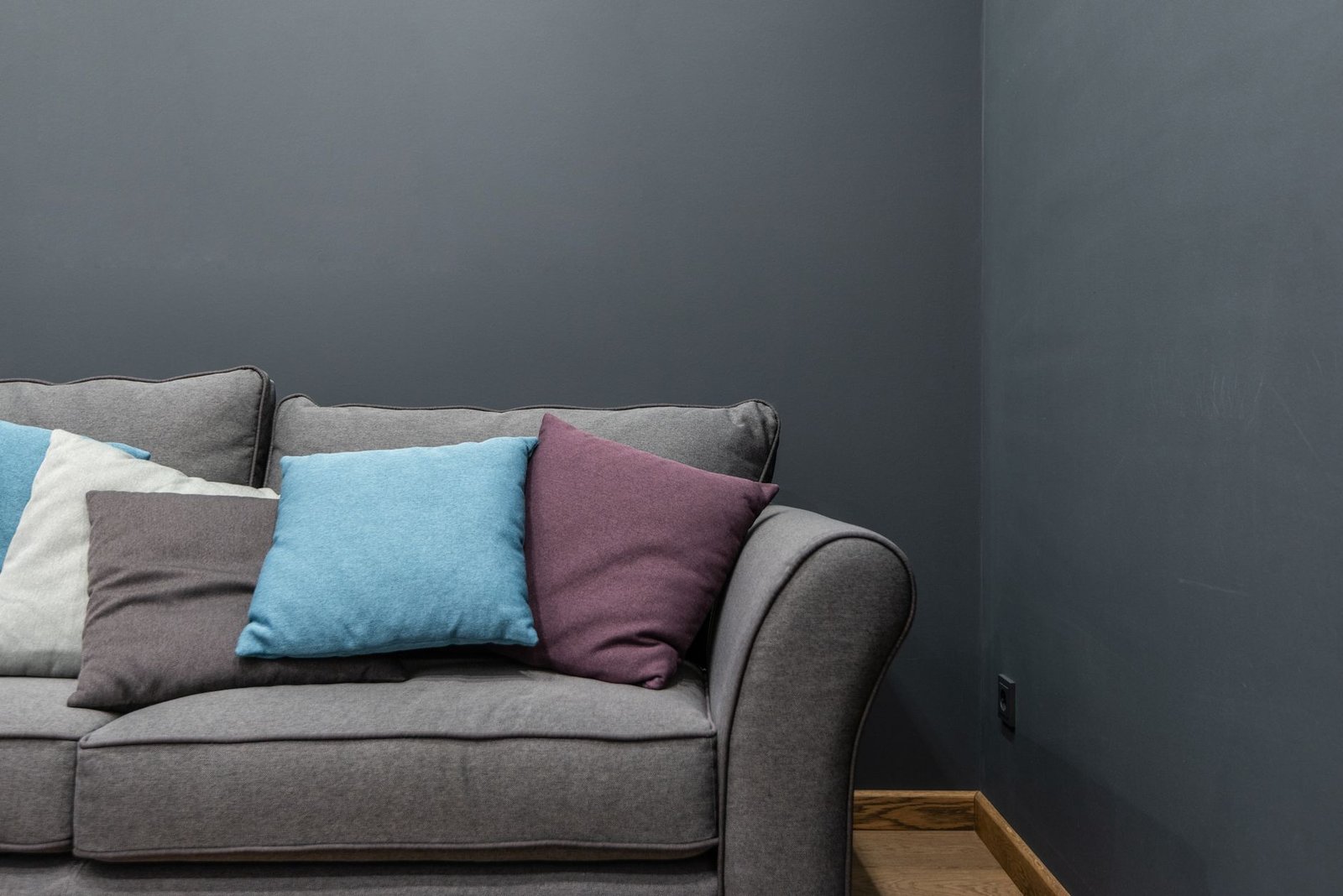
Why mould behind furniture starts on the outside wall
An outside wall is usually among the coldest surfaces in a room, and cold surfaces are where moisture from the air turns to water. The UK government’s guidance on damp and mould says condensation damp happens when moisture generated inside the home cools and condenses onto colder parts of the building, and names the low points on walls behind sofas and wardrobes as typical places for it.
Furniture adds the second half of the problem. Put a sofa within a couple of centimetres of that wall and you have created a pocket the room’s warmer, drier air barely enters. The wall is not warmed and not dried, and the damp sits there for weeks. The EPA lists the surface of walls behind furniture, where condensation forms, among the places mould can hide.
So there are three ingredients, and furniture only supplies one of them:
- A cold surface, usually an outside wall, a corner or a wall with a poorly insulated section.
- Moisture in the room air, from breathing, cooking, showers and drying washing.
- No airflow, which is the bit you control by moving the furniture.

Sofas, beds and wardrobes: which furniture hides it best?
Anything big, close to the wall and without legs. In rough order of how often I would expect to find trouble:
- Wardrobes and tall cabinets. Tall, deep, stuffed with clothes, and often on the one cold wall in the bedroom. I have given these their own guide: mould in a wardrobe.
- Bed headboards. You breathe out a lot of moisture overnight, and a headboard flush to an outside wall seals the wall off from it.
- Sofas and armchairs. Upholstery is a good insulator, so the wall behind stays colder than the rest of the room.
- Flat-pack bookcases and sideboards. Thin back panels in particle board soak up moisture and then give it back slowly.
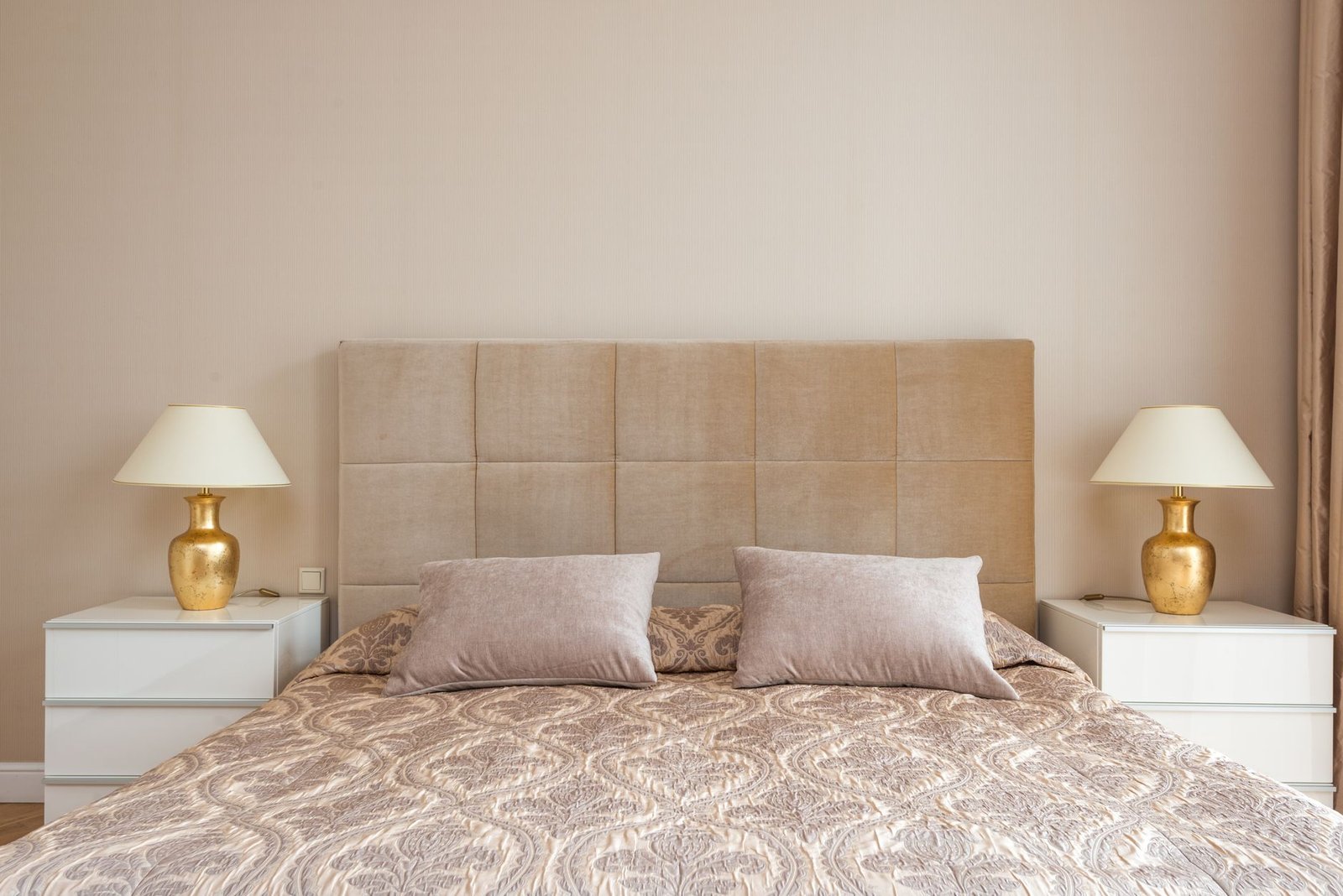
My opinion, and it is only that: the furniture rarely matters as much as the wall it stands on. The same sofa on an inside wall will usually be fine. Moving it is the cheap experiment that proves which one you have.
How to check for mould behind furniture without guessing
If you can see mould, do not sweep, vacuum or brush it dry: that puts spores in the air. Wear a respirator-type mask and gloves, open a window, and stop if the patch is larger than about 10 square feet (roughly 1 square metre). The EPA says larger areas call for professional help.
Before anything else, a musty smell with nothing visible is a clue in itself. The UK government guidance says such a smell may indicate mould behind a surface, including behind furniture. Then, with the room cool and the heating off if you can:
- Pull the piece out at least an arm’s length. Two people for a wardrobe, and empty it first.
- Look low and in the corners, behind the skirting and along the floor line, with a torch held flat to the wall so that texture and speckles show.
- Touch the wall. Cold and slightly clammy beside it, dry elsewhere, is a condensation pattern. A tide-mark that spreads upward is a different problem: see condensation on walls and ceilings for telling them apart.
- Check the back of the furniture. Black or green speckles, a damp smell or swollen board on the back panel mean it has been wet for a while.
- Put a cheap hygrometer in the gap for a day, beside a second one in the middle of the room. A pocket that reads clearly more humid than the room confirms the microclimate. There is no official threshold for that difference, so treat it as a comparison rather than a pass mark.
Dark, fuzzy or slimy growth is mould; a white powdery crust that brushes off may be mineral salts rather than mould. If you are unsure, assume it is mould until proven otherwise and treat it carefully.
How far should furniture sit from the wall? A judgement call, not a standard
The official line is brief. The UK government guidance simply tells landlords to explain to tenants the importance of leaving a gap between furniture and external walls. It gives no measurement, and neither does the EPA.
Other sites quote figures, from “several centimetres” to 4 to 6 inches, but none that I opened cites a test behind its number. So here is mine, labelled as judgement: about 5 cm / 2 inches on an outside wall, more on a visibly cold one, and as close as you like on inside walls. That is enough for air to move, which is the point. A gap helps the wall surface dry, but it does not warm the wall, so it is a help rather than a cure.
Where the gap is impossible, a small compromise works: raise the piece on legs or blocks so air passes underneath, pull wardrobe backs a few centimetres out, and do not pack the cupboard to the back panel.
Five changes that keep mould behind furniture from coming back
- Move big pieces to inside walls when the layout allows. Cold outside walls are the problem; inside walls are warm on both sides.
- Hold humidity down. The EPA advises keeping indoor humidity below 60%, ideally 30 to 50%. What humidity is right in winter covers the number to aim for.
- Keep rooms evenly warm. A bedroom heated twice a week and left at outdoor temperature in between is a cold wall with a schedule.
- Air the room properly, with windows open wide for a few minutes after showers, cooking or a night’s sleep, rather than tilted all day.
- Run a dehumidifier if the room reads high on a hygrometer even after the habits above. It dries the air, though not a wall that is cold because of the building: see dehumidifiers for condensation for what to expect.
What to do if you have already found it
Fix the water first, then clean. For a small patch on a hard surface, a detergent-and-water scrub, followed by drying it fully, is usually enough. The steps and the 10 square feet limit are in the guide to removing mould from walls, and unpainted chipboard backs or soft upholstery that has gone black are often better binned than rescued. Do not paint over it: it comes back through the paint.
If the same spot is mouldy again within a few months despite a gap and a hygrometer under 60%, suspect something the habits cannot fix: a leak, a failed seal, or a wall that needs insulating.
Leave the cold wall some air and the mould mostly goes
Mould behind furniture is rarely a mystery once you see it as a cold, still pocket. Move the piece, give the wall 5 cm or more to breathe, keep the room’s humidity honest, and check behind it once or twice a year. That one job is cheaper than any spray.
FAQ
Why is there mould behind my furniture?
Because the wall behind it is cold and the air there does not move. Moisture from the room condenses on the cold surface and the furniture stops it drying, so mould can start out of sight.
How far should furniture be from the wall to prevent mould?
No official figure exists. My judgement is about 5 cm / 2 inches on outside walls, and more on very cold ones, so that air can circulate behind the piece.
Is mould behind furniture dangerous?
I cannot give medical advice. What I can say is that you should clean small patches with care, wear a mask and gloves, and speak to a doctor or your landlord if you have health concerns or the area is larger than about 10 square feet.
Will a dehumidifier stop mould behind furniture?
It helps if the room air is humid, because less moisture reaches the cold wall. It does not warm the wall, so you also need a gap, some heat and a fix for any leak.
How do I stop mould behind a sofa against an outside wall?
Pull the sofa out about 5 cm, or raise it on legs, keep humidity under 60%, and move it out to look behind it a couple of times a year. If it keeps returning, treat the wall itself.

