
Mould in Kitchen Cupboards: Why It Starts and How to Stop It
Mould in kitchen cupboards usually means a slow leak, trapped steam or a cold outside wall. Find the cause, dry it out and keep it from coming back.
Mould in kitchen cupboards usually means a slow leak, trapped steam or a cold outside wall. Find the cause, dry it out and keep it from coming back.
Mould under carpet grows where underlay stays wet. Three easy checks that avoid lifting the room, plus what to do about damp concrete and leaks.
How to stop mould on a mattress: let air reach the underside, keep the bed off cold walls, and hold humidity under 60%. 5 habits, plus when to bin it.
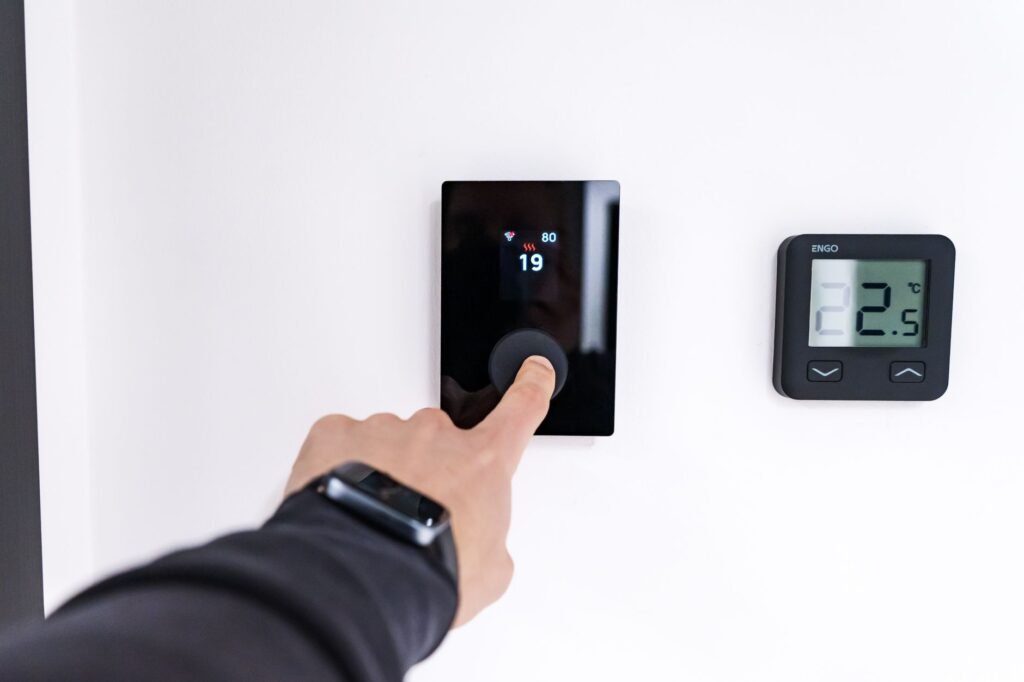
What temperature does mold grow at? Roughly 0-35°C (32-95°F), best at 25-30°C. A comfy room is in range, so humidity and cold walls decide the rest.
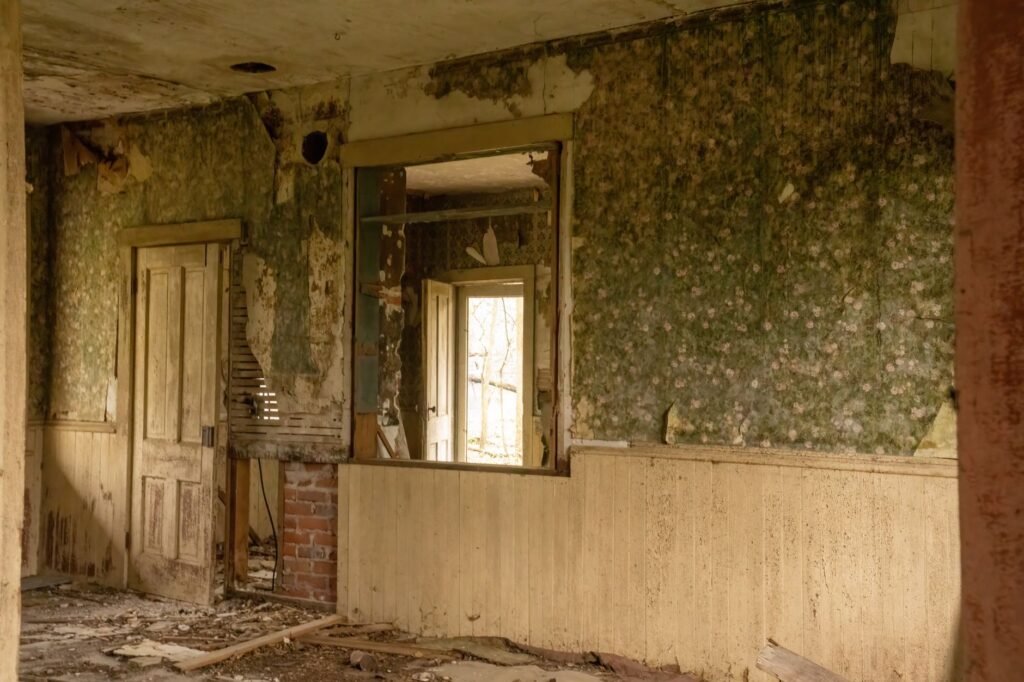
Mould behind wallpaper grows where paper and paste trap moisture against a cold or damp wall. 5 signs to spot, how to check, and when to strip it.
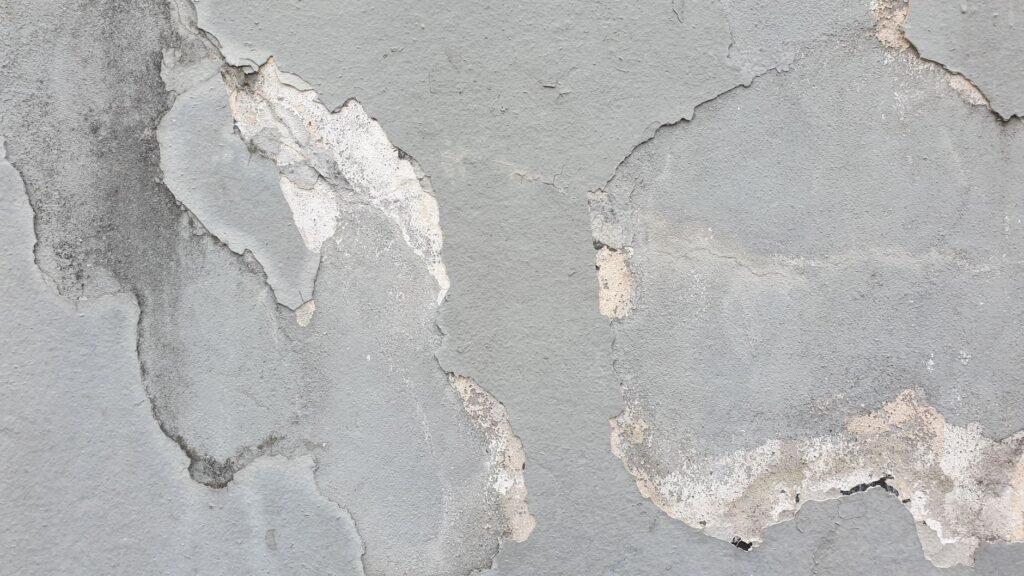
Does mold die when it dries out? Not reliably: drying stops growth but leaves mould in place, plus stains. What to do after it dries, and why damp wins.

Can mold grow on plastic? Yes, on the dust and soap film sitting on it. See where it shows up and 4 ways to keep plastic, glass and tile clean and dry.
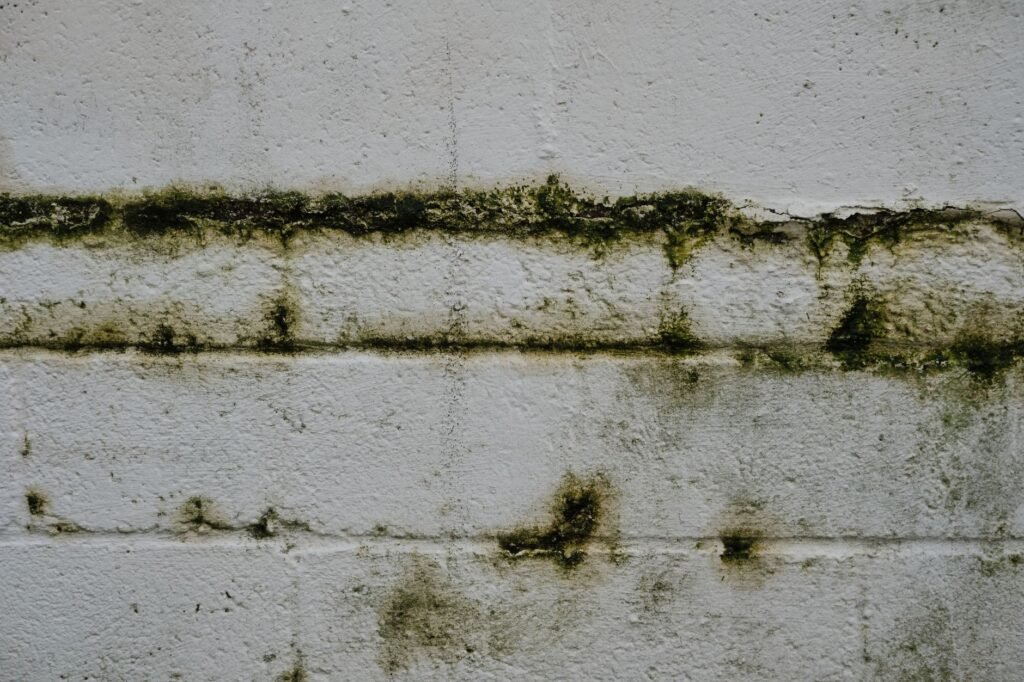
Why does mold keep coming back? Usually the water or the cold surface was never fixed. Four checks in order, and when a patch passes the EPA 10 sq ft line.
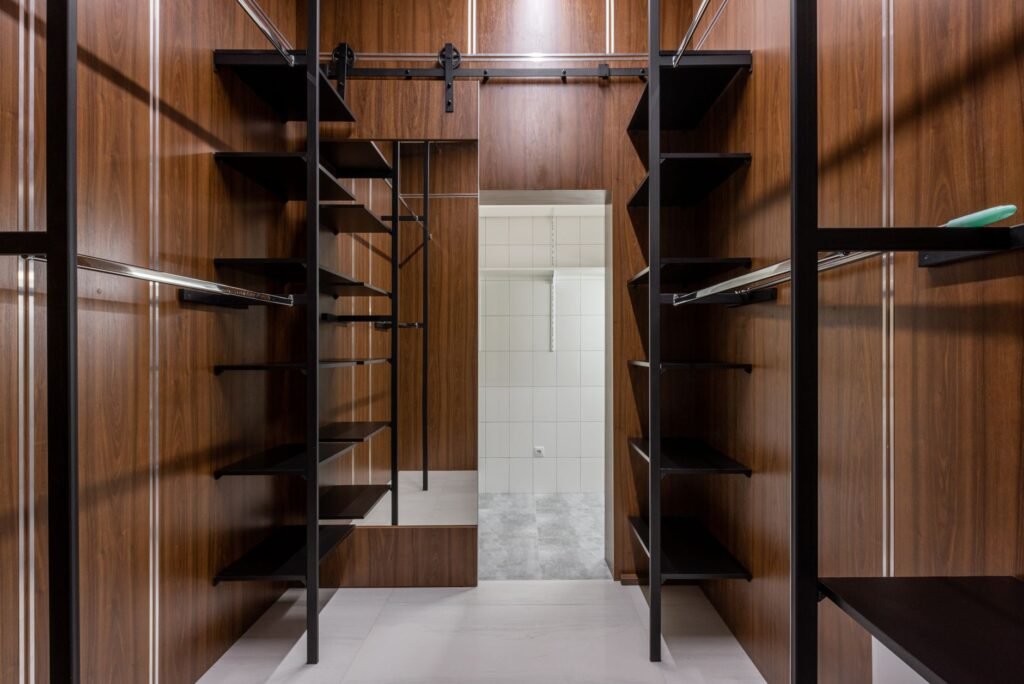
Can mold grow in the dark? Yes: it needs moisture, food and warmth, not light. Why wardrobes and dark corners suffer, and how to keep them dry.
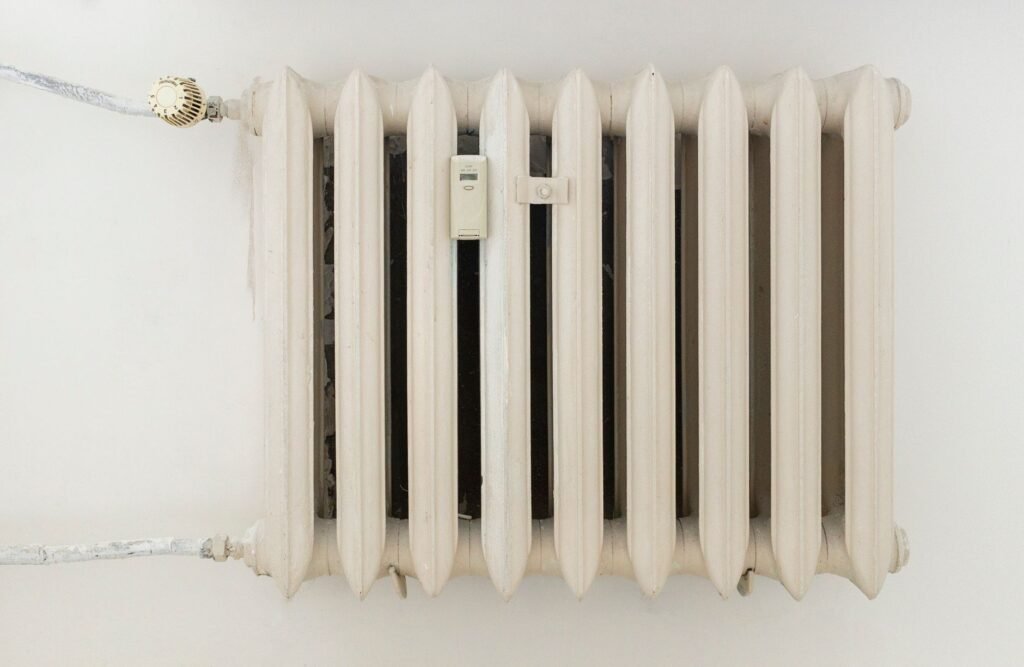
Can you use a dehumidifier and a heater together? Yes, and in a cold room it helps. The 3 rules that keep it safe and stop the heater undoing the work.

Should I use a dehumidifier in a new build? Often yes, as a helper once you ventilate and heat gently. 5 tips on drying, cracks and when to call the builder.
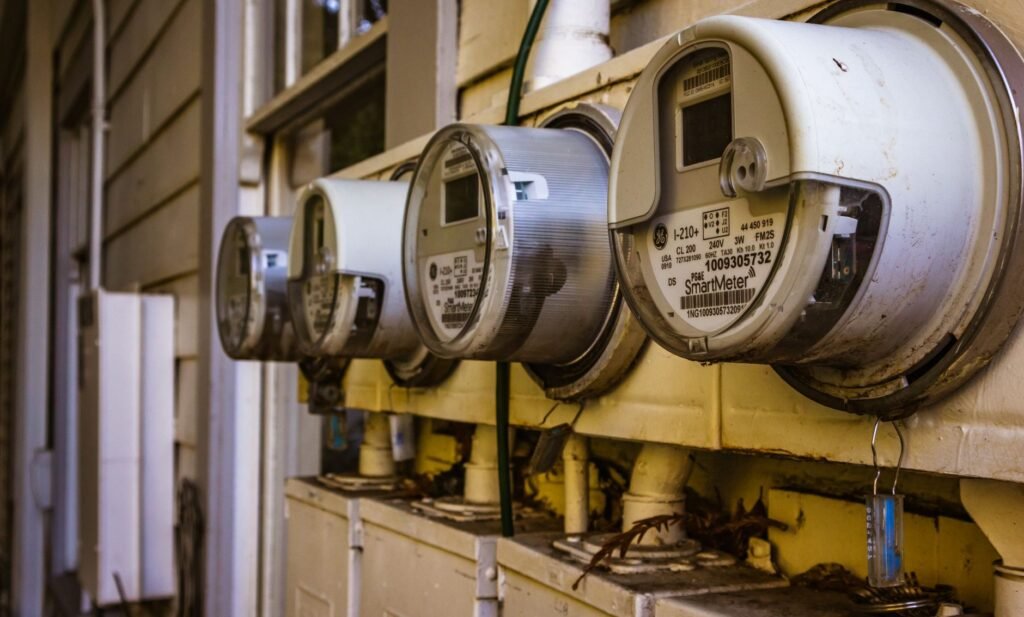
An energy star dehumidifier must clear a minimum litres-per-kWh figure for its size. See the 3 portable thresholds and how the label differs from AHAM capacity.