
Last Updated on October 24, 2026 by Umar Farooq
Can you use a dehumidifier and a heater together? Yes: the heater keeps the room warm enough for the dehumidifier to work, and the dehumidifier removes the water the heater cannot. They do different jobs, so they do not fight, provided each has its own wall socket and neither is used to dry washing.
The only real argument is about order, and about whether one machine can quietly replace the other. It can’t, which is a small relief for anyone who owns both and suspected they were being silly.
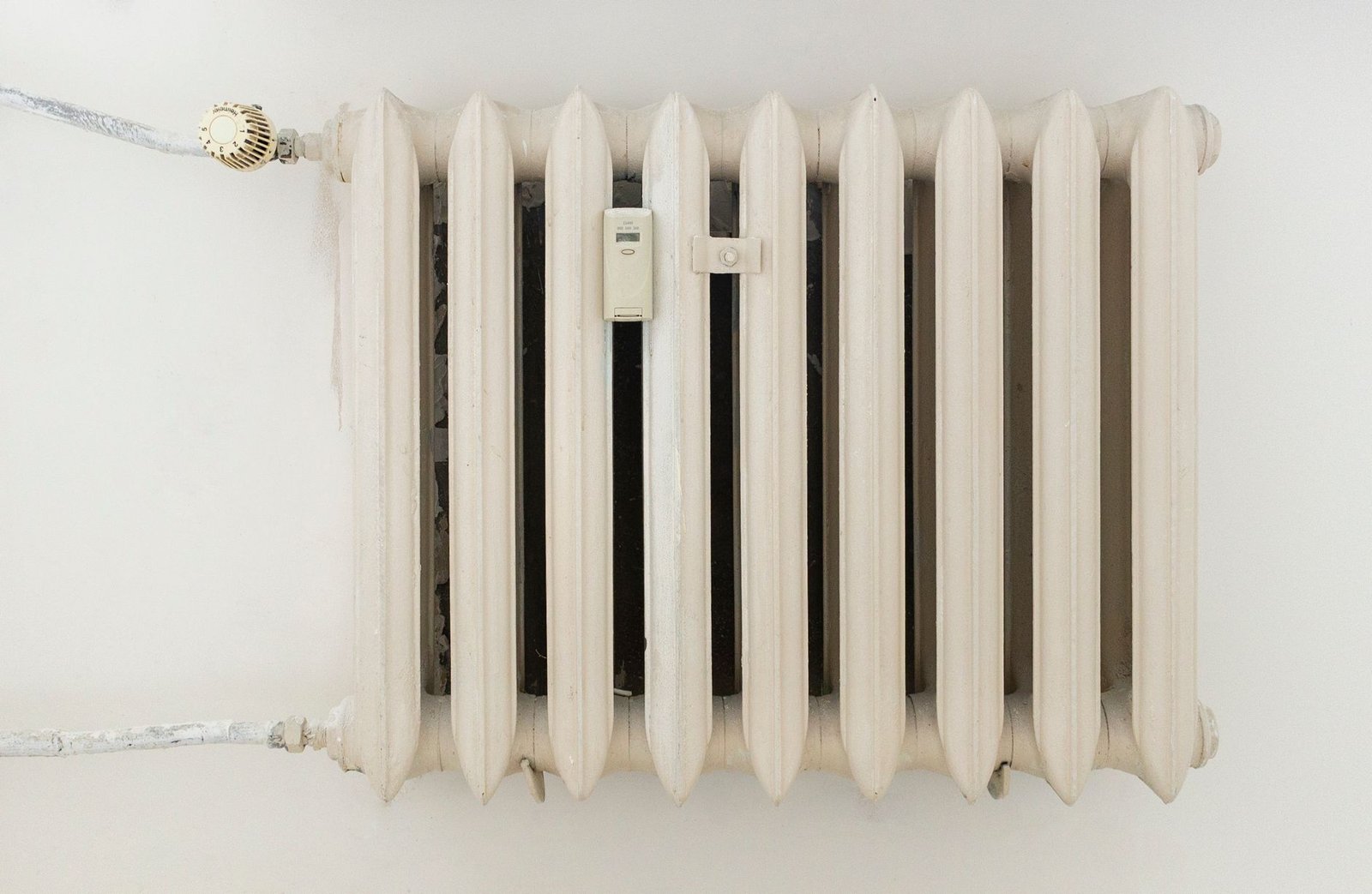
What a heater does to damp air, and what it doesn’t
A heater changes the humidity reading, not the amount of water in the room.
Warm air can carry more water vapour than cold air, so heating a room lowers its relative humidity even though nothing has left the building. That is why a heated room feels less clammy and why the EPA lists “increase air temperature” among its steps against condensation. The same EPA page advises keeping indoor humidity below 60 per cent, ideally 30 to 50 per cent.
Now switch the heater off. The room cools, the same water vapour is back in air that can hold less of it, and it settles on the coldest surfaces: window glass, the outside wall, the back of the wardrobe. The water was never removed, only held in suspension for a few hours.
A dehumidifier is the machine that takes it out and puts it in a tank or down a drain. That is the whole division of labour.
Can you use a dehumidifier and a heater together in a cold room?
Yes, and a cold room is where the pairing earns its keep.
A compressor dehumidifier chills a coil to condense water, and in a cold room that coil ices over. Energy Star says frost can form on the condensing coils if the air temperature drops below 65°F (about 18°C), and that a frosted unit should be switched off and left to defrost. Many models have an anti-frost sensor that does this for you, which looks like a fault but is the machine protecting itself.
A heater holds the room above that threshold, so the coil stays clear and the compressor keeps collecting. I have not measured how much extra water you gain, and nobody I can find publishes a figure for a typical room, so treat “better” as a direction rather than a number. The dehumidifier in winter guide covers where the cold limits sit and what to do in a space you will never heat.
The 3 rules for running both
The order matters more than the kit. Do these in sequence and the pairing is cheap and calm.
Rule 1: ventilate first, then close up. If the outside air is drier than the inside air, opening a window briefly removes moisture for nothing. Then shut it. An open window while both machines run means you are heating and dehumidifying the street.
Rule 2: heat to a modest, steady temperature rather than a blast. A steady, comfortable temperature keeps the coil clear and the walls from swinging cold overnight. Heating hard for two hours and then letting the room crash is how condensation gets a second wind.
Rule 3: keep them a sensible distance apart. A dehumidifier’s humidity sensor reads the air around it. If the heater blows straight across it, it reads warm, dry air that the rest of the room does not share, and it may stop early. A metre or so apart, each with air all round it, is my own rule of thumb rather than a manufacturer figure.
Plug each into its own socket, and keep washing off the heater
Before you set anything up, read this.
Plug a heater straight into a wall socket. Do not run a heater and a dehumidifier from one extension lead, a cable reel or a multi-way adaptor: Overloading a lead, adaptor or wall plug can make it overheat, and leads should never be daisy-chained. Keep a heater at least three feet (about 1 m) from bedding, drapes and furniture, as the US Consumer Product Safety Commission advises. Never drape wet washing over a heater: by that same three-foot rule, clothes are exactly the thing you keep away from it.
The longer answer on leads is in our extension cord guide. The short version is two machines, two sockets, and no sharing.
Washing deserves its own sentence. Drying it on a heater is the worst way to do it: the clothes get close to a hot element, which the clearance advice rules out, and the water goes straight into the room air for the dehumidifier to catch. If you want the damp out of clothes, a closed room with the dehumidifier on its own does it, and the heater can sit across the room doing its job.
Does the dehumidifier heat the room enough to skip the heater?
Not reliably. A compressor dehumidifier gives off some heat as it runs: Energy Star says it “slightly warms the space around it”, and warm outlet air is the design, not a fault, as the blowing hot air guide explains. But I have not measured how many degrees that adds in a real room, and I have not found a published figure for one, so I will not invent one.
My view is that it is a pleasant side effect and a poor heater. It also does nothing about the cold walls that cause the condensation in the first place. If the room needs heat to be comfortable or to stay above the frosting threshold, buy the heat on purpose.
When a heater is the wrong partner
The pairing is not always the right answer.
| Situation | Heater plus dehumidifier? | What to do instead |
|---|---|---|
| Cold garage or shed you do not want to heat | No | Use a low-temperature or desiccant dehumidifier, which keeps working in the cold |
| Room warmed by a paraffin or gas heater | No | Burning those fuels releases water vapour as a by-product (basic combustion chemistry, not a figure I measured), so you are adding moisture. Use electric heat |
| Cold bedroom with condensation on windows | Yes | Modest steady heat, dehumidifier on its own socket, doors shut overnight |
| Damp room where the heater is the only drying tool | No | The reading drops but the water stays; add the dehumidifier |
Heat for the temperature, dehumidify for the water
So, can you use a dehumidifier and a heater together? Yes, and in a cold room it is the sensible way to run both. Heat keeps the coil clear and the air able to hold moisture; the dehumidifier takes that moisture out; ventilation gets rid of the worst of it before either machine has to try. Two sockets, no washing on the heater, and a metre between them.
FAQ
Does a heater help a dehumidifier work better?
In a cold room, yes. Energy Star says coils can frost below about 65°F (18°C), which stops water collection. A heater that holds the room above that keeps the compressor running, though I have no measured figure for how much extra water you collect.
Will running both raise my electricity bill?
Yes, because each draws power. I have no measured cost for a typical pairing. To estimate it yourself, multiply each machine’s wattage (on the rating label) by the hours it runs and your price per kWh. That is my own arithmetic, not a measured result.
Can I put a dehumidifier next to a heater?
Better not to. The humidity sensor reads the air around it, so a heater blowing across it can make the machine stop early. Keep them apart with air around both, and keep the heater three feet from anything flammable.
Can I dry washing on a heater with a dehumidifier running?
No. Keep clothes well clear of any heater, as the CPSC three-foot guidance for flammable materials implies. Hang washing in a closed room with the dehumidifier on and let it collect the moisture.
Is it better to use a heater or a dehumidifier for damp?
For damp air, the dehumidifier, because it removes water. A heater only lowers the reading while it is on and the water returns when it goes off. For a cold room, use both.
Can a dehumidifier and a heater share an extension lead?
No. Plug each straight into a wall socket. Overloaded leads and adaptors can overheat, and leads should never be daisy-chained.
Related guides: Dehumidifier in winter · Using an extension cord with a dehumidifier · Dehumidifier blowing hot air
Safety guidance: CPSC space heater tips. Where this guide and your own manuals disagree, follow the manuals.

