
Last Updated on October 24, 2026 by Umar Farooq
Does heating reduce condensation? Yes: warm walls and glass are less likely to reach the temperature where water drops out of the air, so steady background heat helps, but heat alone does not remove any moisture. It makes the room less hospitable to condensation. It does not make the water go anywhere.
I think of heating as the first half of the fix, and ventilation as the half people forget to do.
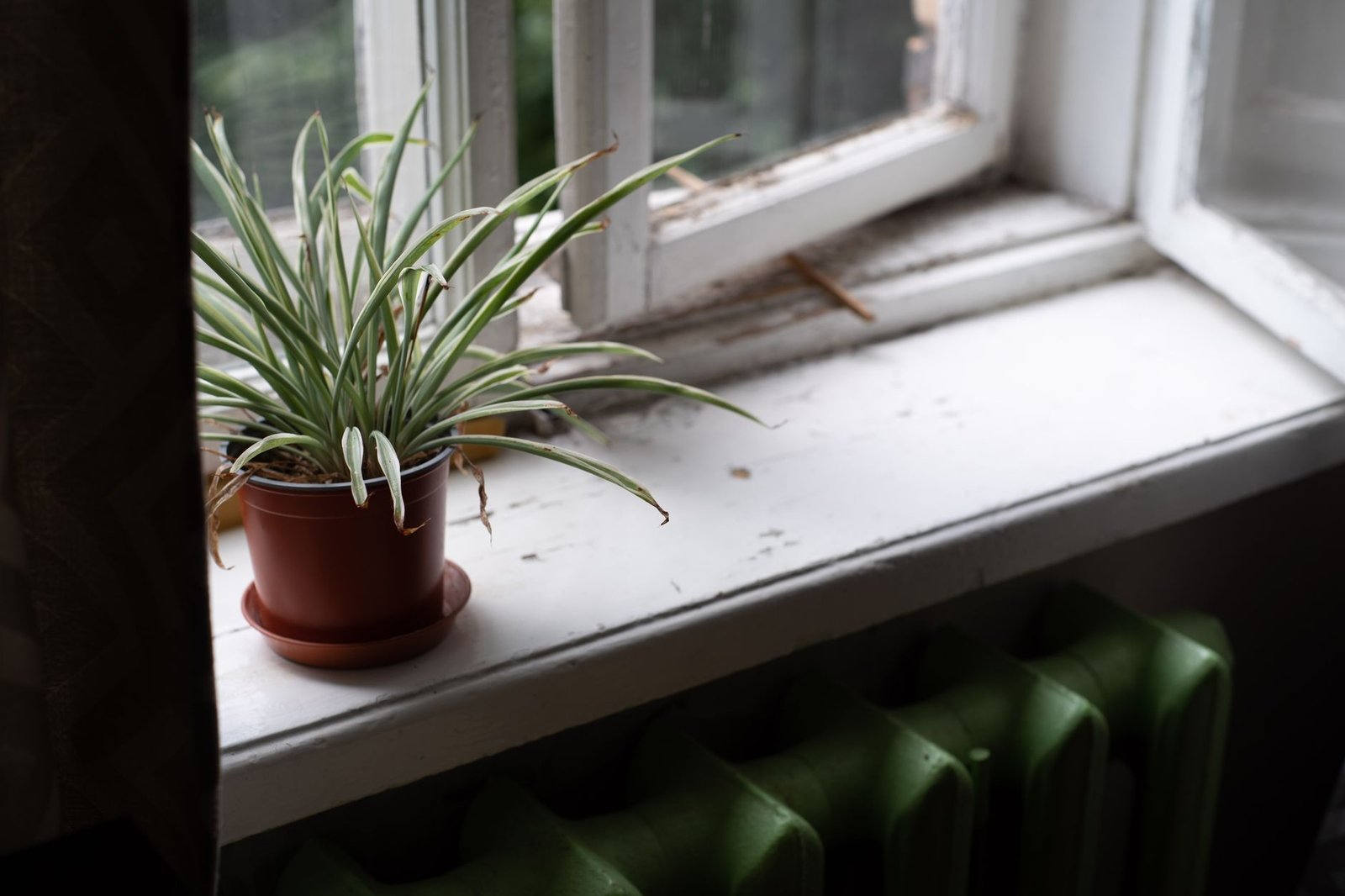
Warm surfaces, warmer air: how heat takes the edge off condensation
Condensation forms when moist air touches a surface colder than the air’s dew point. Heating attacks that from two sides. It warms the surfaces, so fewer of them are cold enough to trigger it, and it warms the air, which can hold more water vapour before it turns to liquid. BRANZ’s guide for wet areas puts the second half simply: warmer air holds more moisture, so heating reduces condensation.
Note what changed there. The relative humidity falls, because the same water now sits in a bigger “container”. The amount of water in the room is unchanged. That is why a heated room can look drier and still be one shower away from streaming windows.
Councils give the same practical advice. Tewkesbury Borough Council says you will get less condensation if you keep your home warm most of the time. Basingstoke and Deane Borough Council recommends low-level background heating that runs continuously, because short bursts of heat may not lift surface temperatures enough. It gives 18 degrees C as the ideal room temperature, and 21 degrees C for older people, children under five or anyone with a health condition.
Does heating reduce condensation in every home?
No, and the honest answer depends on the room. Heat does most for a cold room that is actually being used: a bedroom with a closed door, a north wall behind a wardrobe, a bathroom after the shower. It does least in a room that is already warm and simply makes a lot of steam, such as a kitchen with a boiling pan and no extractor.
There is also a catch with how you heat. Which? notes that sudden rises and drops in temperature can make condensation worse, and that a constant low setting is better for damp than swinging between hot and cold. A room that is blasted warm for an hour and then allowed to chill is a surface-temperature rollercoaster. Walls take a long time to warm and a short time to lose it, so the cold surface is back before the evening is over.
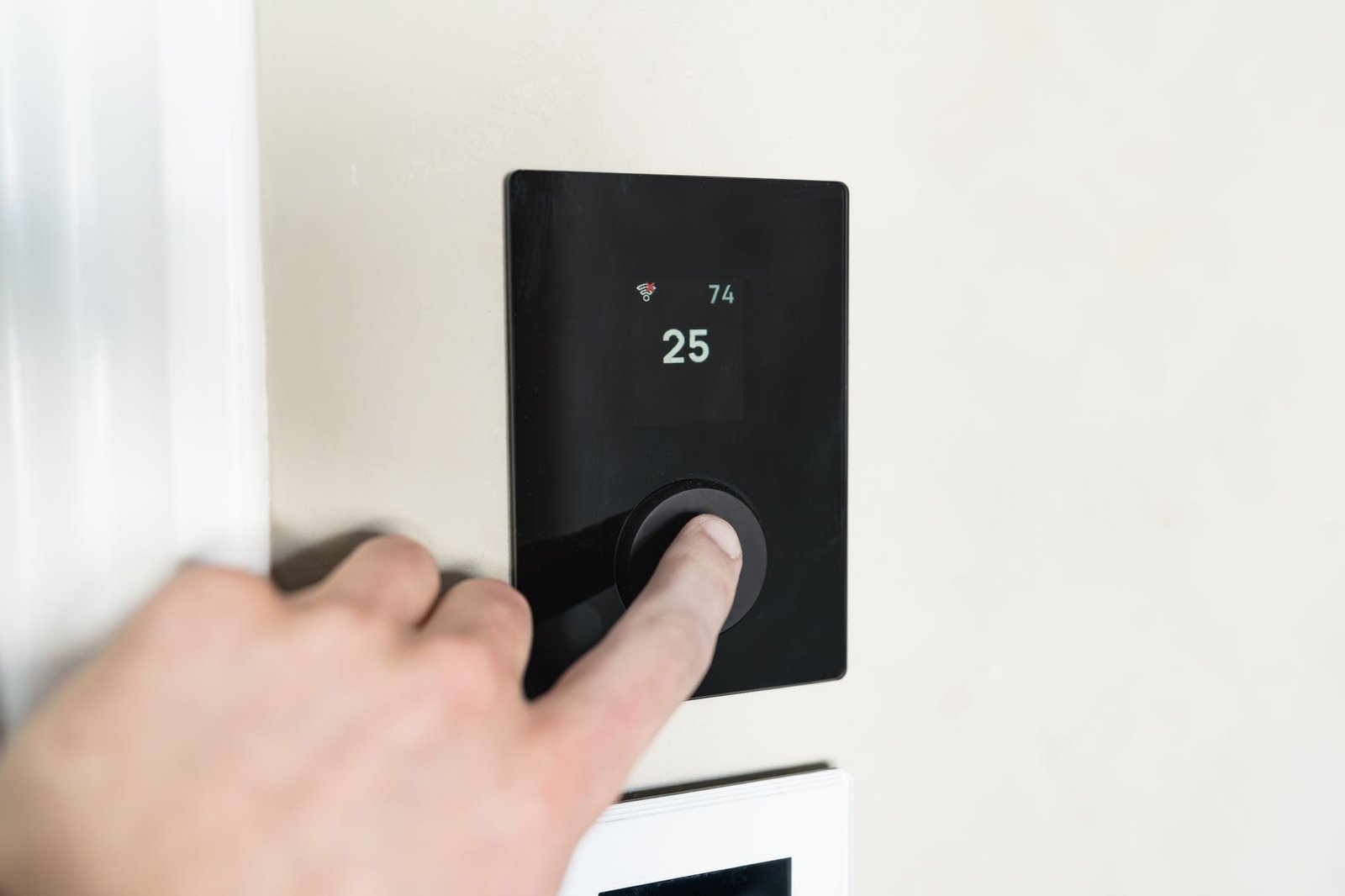
The usual objection is cost, and it is fair. I am not going to tell you what your tariff or boiler should do, and Which? itself suggests checking you are on a good energy deal first. The point is only about pattern: for a given amount of heat, spread evenly it tends to help more than the same heat in bursts. For the timing question see when to turn heating on to stop damp.
Where heat makes things worse: flueless heaters and wet washing
Heating helps only if it is not also producing water. The clearest offenders are portable heaters that burn fuel with no flue. Tewkesbury says flueless gas and paraffin heaters produce more than a pint of water for every pint of fuel they burn, and that you need extra ventilation if you use them. You are heating the air and adding vapour to it at the same time, which is the opposite of what you wanted. Safety is a separate reason to avoid them in a closed room, so if one is your only source of heat, that is a conversation with your landlord or a heating adviser, not a condensation tip.
The other quiet saboteur is laundry. Tewkesbury warns that drying clothes indoors, particularly on radiators, can increase condensation unless you let air circulate. Basingstoke is blunter: do not dry clothes directly on radiators. A radiator covered in wet jeans is a moisture source with a heater attached. The wet washing releases its water into the room faster, and if nothing carries that vapour out, it lands on the nearest cold window. If drying indoors is unavoidable, how to dry clothes indoors without mould and do heated airers cause damp cover the routine.
Five rules for heating a damp-prone home
- Keep a low, steady background heat in every room you use, rather than short bursts. The councils above both say so, and so does Which?.
- Heat the room that has the problem. A cold spare bedroom with the door shut will keep collecting moisture from the warm rooms. Leave its radiator on low and its door slightly open, if the layout allows.
- Keep fuel-burning, flueless heaters out of the picture where you can, and ventilate if you cannot.
- Never use the radiator as a clothes horse. Hang washing where air can circulate and where moisture can leave.
- Pair heat with ventilation. Basingstoke recommends opening a few windows slightly rather than one fully, for short periods, and adds that closing every vent to keep heat in will not reduce condensation. Use extractor fans in kitchens and bathrooms.
Wipe off what is already on the glass first; the window routine is in condensation on windows. If the house has been heated properly and ventilated and the air is still wet, that is when a dehumidifier earns its place; see dehumidifier in winter.
Heat keeps the walls warm, but the water still has to leave
Heating makes condensation less likely by raising surface temperature and letting the air carry more vapour. It does not take a single drop out of the house. Steady low heat, ventilation and moisture control work together: heat for the surfaces, extraction and fresh air for the water, and a dehumidifier when the first two cannot keep up. If heating alone is the plan, you are treating the wall and ignoring the shower.
FAQ
Does leaving the heating on all day stop condensation?
A constant low background heat usually helps, because walls and windows stay warmer and the air can hold more vapour. It is not a cure on its own, and it still needs ventilation. In a poorly insulated house, cold spots may persist whatever the setting, so you may also need to deal with insulation and moisture sources.
Does heating reduce humidity?
It lowers relative humidity because warmer air can hold more water, but it does not reduce the amount of water in the air. Moisture only leaves through ventilation, extraction or a dehumidifier. This is why windows can fog again the moment a room cools.
Is it better to have the heating on low all day or high for a short time?
For damp, steady and low is generally the better pattern, according to Which?, because sudden rises and drops in temperature can make condensation worse. Short bursts warm the air quickly but may not warm the walls and glass enough to matter.
Do electric heaters or radiators dry the air?
They warm it, which lowers relative humidity, but neither removes moisture. They are also not a substitute for opening windows or running an extractor. Flueless gas and paraffin heaters are different: they add water to the air as they burn fuel.
What temperature should I keep my house at to avoid condensation?
There is no single magic number. Basingstoke and Deane Borough Council gives 18 degrees C as the ideal room temperature and 21 degrees C for vulnerable occupants, with low-level heating kept running. Colder rooms will still collect condensation if moisture is high.

