
Last Updated on October 25, 2026 by Umar Farooq
Why do clothes smell damp after washing? Almost always because bacteria or mould are growing on them or in your machine: in a dirty drum, seal or drawer, on laundry left wet in the drum, or on clothes that dry too slowly. The washing itself is rarely the villain.
It is a particularly unfair smell, because you did the one thing that was supposed to make things clean. The machine did not get the memo.
When the smell appears points at the cause
Before you change detergent, work out when the smell shows up. It narrows the search quickly.
| When you notice the smell | Most likely cause |
|---|---|
| Straight out of the drum, before drying | The machine: drum, seal, drawer or filter |
| After the cycle ends, if the load sat in the drum | Wet laundry left too long |
| As clothes dry, or only on certain items | Slow drying, overloading or too little detergent |
| Only after clothes sit in the wardrobe | Storage airflow, not the wash |
Why do clothes smell damp after washing? Six causes to check
1. A dirty machine. Mould and bacteria build up in the drum, door seal, detergent drawer and filter, and then move onto clean clothes. Expert Reviews’ guide lists this first, along with a clogged filter, and recommends cleaning the drawer and seal and leaving the door ajar between washes.
2. Cool washes only. Expert Reviews notes that washes at 30 or 40 degrees may not clear all the bacteria, and suggests a hot wash (60 degrees or higher) with a maintenance product for the machine itself. I would add a sensible limit: check what your machine’s manual says about its hottest cycle before you rely on one, because the figures differ between models.
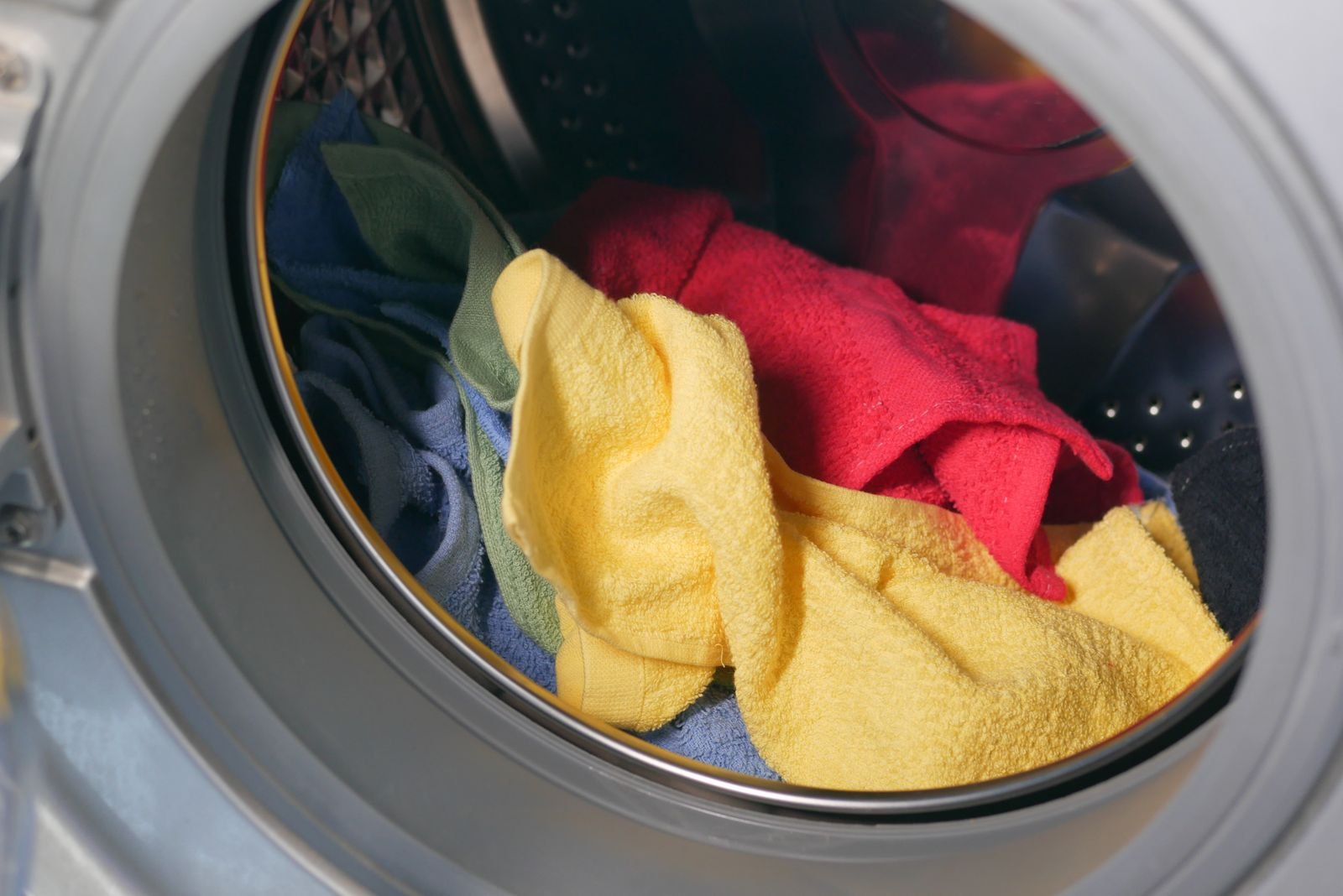
3. Wet laundry left in the machine. The same guide warns that even about 30 minutes of dampness can start a musty smell, especially with towels and wool. If you cannot unload straight away, do not shut the door and walk off.
4. Overloading, or too much product. A packed drum does not rinse properly, and an excess of detergent or fabric softener leaves residue that bacteria feed on. The fix is a looser load and the dose on the pack.
5. Slow drying. Damp clothes that dry slowly smell. Clothes drying on a radiator or an airer in a closed room stay wet longer and raise the room’s humidity as well. Why clothes smell musty after drying indoors covers this one in detail, and how long clothes take to dry indoors gives realistic drying times.
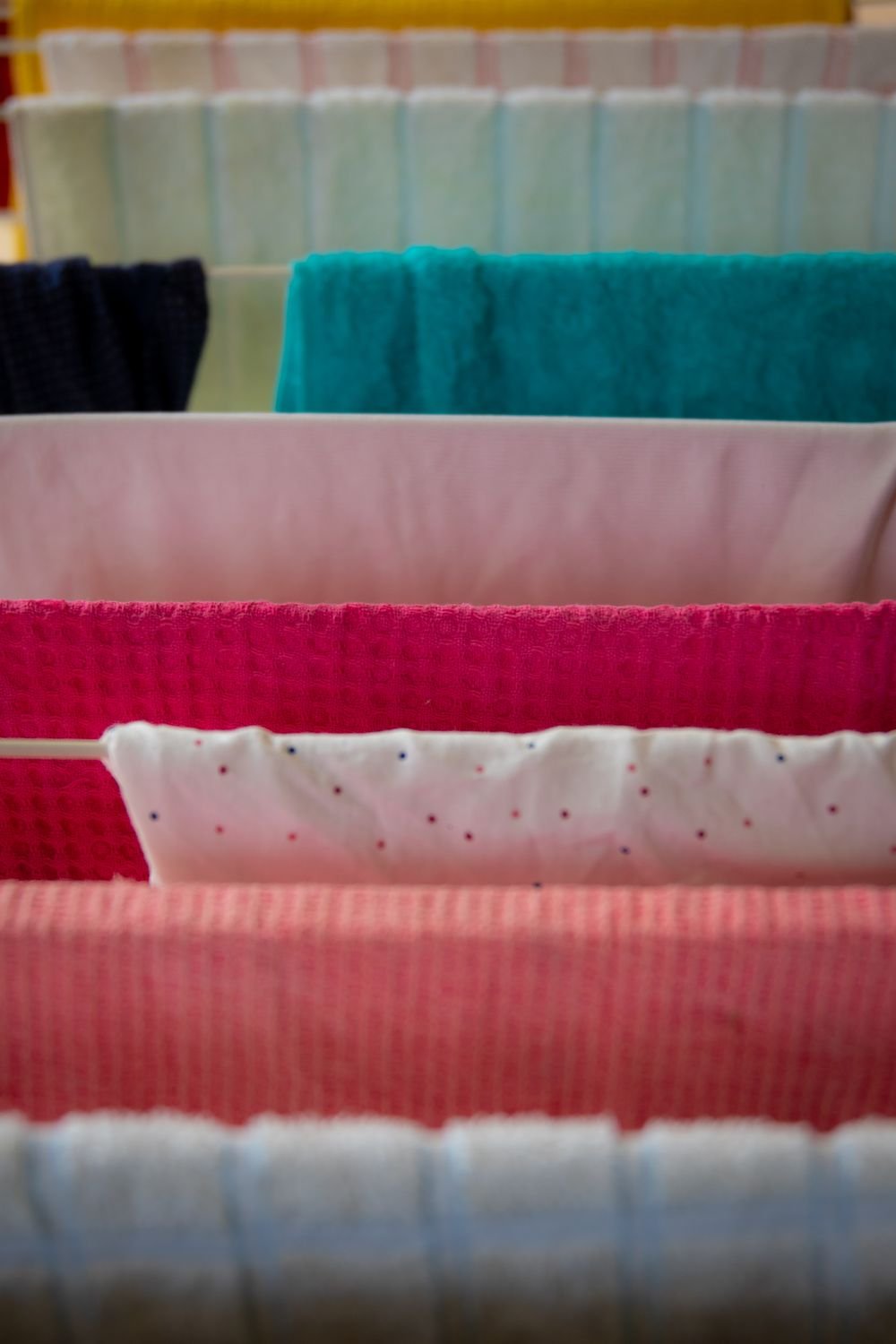
6. Storage that does not breathe. Real Homes points out that clothes dried scrunched up, or in a dark spot with no airflow, smell musty, and that a wardrobe or drawer without enough air traps moisture so the smell carries through repeated washes. Its advice includes spreading items out to dry and not overcrowding wardrobes.
Rescue a load that already smells
- Rewash straight away, before the clothes dry, using the correct dose of detergent and not a fabric softener.
- Use the hottest wash the care labels allow.
- Dry it quickly: outdoors in sun if the weather allows, otherwise on a spaced-out airer in a ventilated room, or in a tumble dryer if the label permits.
- Only then sniff it. If it still smells once fully dry, wash again before you decide it is ruined.
Clean the machine properly
If the smell comes straight out of the drum, the machine is your culprit. Follow the manual, then:
- Run an empty hot cycle with a washing machine cleaner, monthly or more often with heavy use. Expert Reviews suggests monthly.
- Pull out the detergent drawer and scrub it, then let it dry.
- Wipe the door seal, including the folds where the water sits.
- Clean the filter, which can hold lint and water.
- Leave the door and drawer open between washes so the drum dries.
Do not mix bleach with other cleaners, and avoid using vinegar often, because it can wear on rubber seals.
Why damp rooms make it worse
A humid house gives odour-causing microbes a head start. If your clothes drying room is always damp, the laundry takes longer to dry and the smell returns. A dehumidifier for drying clothes can shorten drying times, and drying clothes indoors without mould has the full routine. If the smell has settled into the fabric as mould spots, see mould on fabric.
Damp-smelling washing is a cleanliness and drying problem, not a detergent problem
So why do clothes smell damp after washing? Usually a dirty machine, a load left wet, or slow drying. Find out which by noticing when the smell appears, clean the drum and seals, unload promptly and dry things fast with room to breathe.
FAQ
Why do my clothes smell musty after washing?
Most often bacteria or mould in the machine, laundry left wet in the drum, or washing at low temperatures only. Slow drying and overloading make it worse.
How do I get a damp smell out of clothes?
Rewash straight away before they dry, using the right amount of detergent and the hottest wash the label allows, then dry them quickly in a ventilated space or in the sun.
Can leaving clothes in the washing machine make them smell?
Yes. Expert Reviews says even around 30 minutes of damp can start a musty smell, particularly with towels and wool. Take them out as soon as the cycle ends.
How often should I clean my washing machine?
A monthly hot maintenance wash is the common advice, with the drawer and door seal wiped more often. Leave the door ajar after each wash.
Does vinegar remove damp smell from laundry?
It can help occasionally in the rinse, but used often it can wear seals. A properly cleaned machine, correct detergent dose and quick drying do more.

