
Last Updated on October 25, 2026 by Umar Farooq
Drying clothes inside vs outside comes down to the air, not the location: outdoors is usually faster, free and puts no moisture into your home, but indoors wins in rain, frost or a damp, windless day, provided you handle the water it releases. Neither is “better” in every weather.
The washing line is the cheapest dryer ever invented, and the British climate has spent two centuries trying to bankrupt it.
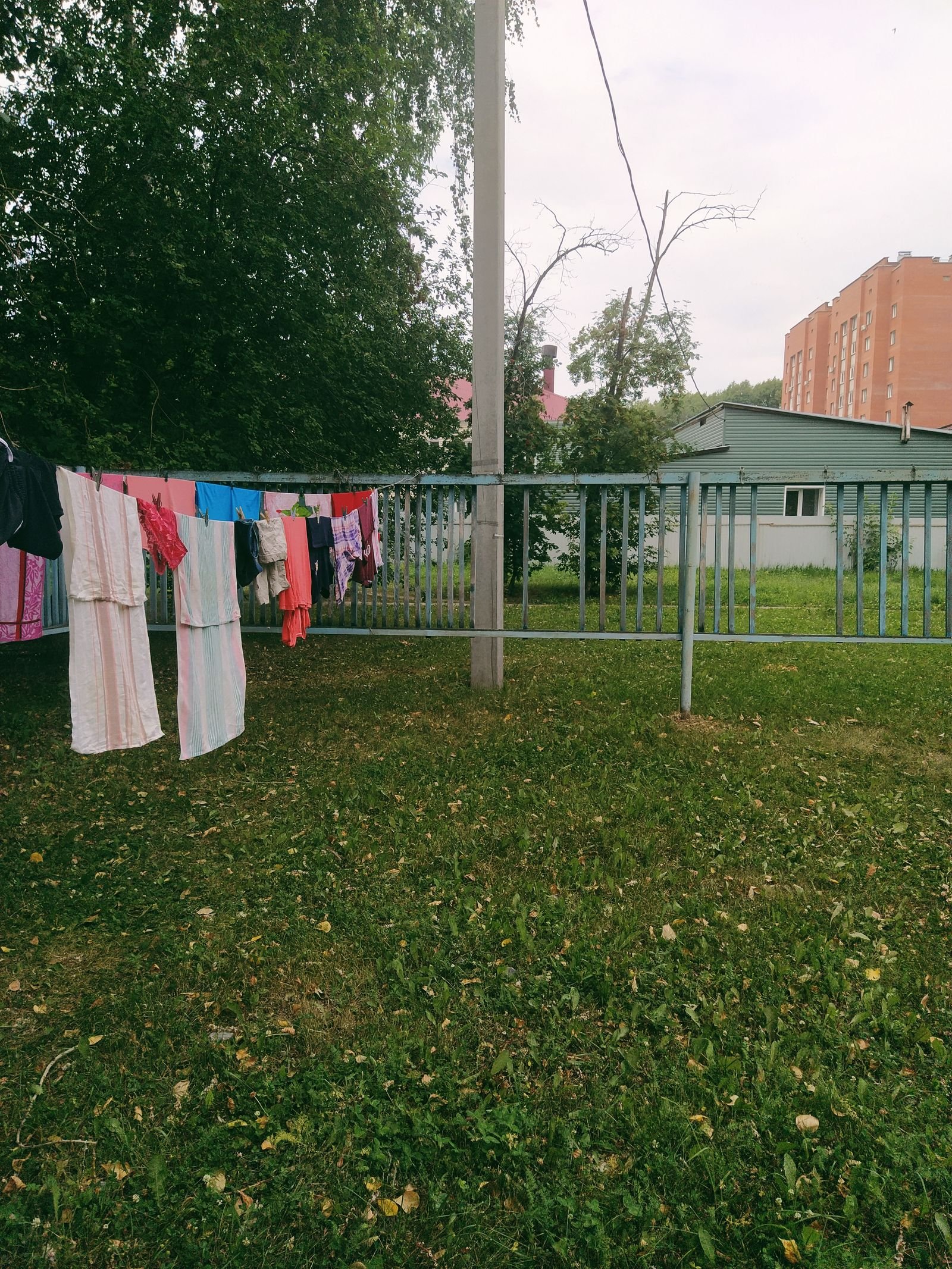
Drying clothes inside vs outside, side by side
| Factor | Outside on a line | Inside on an airer |
|---|---|---|
| Cost | Free | Free, unless you add a dehumidifier or heat |
| Speed | Fast in sun and wind, slow in damp, still air | Slow in a cold room, quicker in a warm, ventilated one |
| Moisture added to your home | None | Almost 2 litres per load, by one published figure |
| Weather risk | A shower can undo it | None |
| Colour and fabric | Sun brightens whites but can fade colours | Gentler on colours |
| Effort | Hang out, bring in | Hang, space out, move |
The cost and fabric points above follow Appliances Online’s comparison of line, rack and dryer drying, which notes that UV brightens whites but fades reds, blacks and delicate cotton or silk, and that indoor racks are slow in wet, cold weather and can leave clothes smelling musty if humid air does not move.
Why the answer is about air, not location
Clothes dry when their water evaporates into the air next to them, so the question is how dry, warm and moving that air is. Outdoors, on a breezy, dry day, the air is moving and refreshes constantly, and the water vapour goes into the sky. That is my own reasoning from how evaporation works rather than a measured result.
Indoors, there is less wind, so the air around a wet airer saturates, and the moisture stays in your house unless you move it out. The numbers are striking. Gardeners’ World says drying a load indoors can release almost 2 litres of water and, in a 3 m by 3 m room, could push humidity up to around 96%. It quotes 40 to 60% as the recommended indoor range.
That does not mean indoor drying is wrong. It means it needs managing.
When to dry outside
- Dry, breezy, dry-air days, whatever the temperature. A cold, bright, windy day dries better than a warm, still, damp one.
- Bulky items like towels and bedding, which take ages on an airer.
- Anything that smells musty, because fresh air and sun are hard to beat.
- Whenever the forecast gives you a few dry hours, which is more often than people assume.
Take washing in before the evening air turns damp, and be aware that clothes outdoors can pick up pollen or the odd leaf.
When to dry inside
- Rain, fog or a frost, which is most of a UK winter.
- Delicate or dark items you would rather not fade.
- When you cannot be home to rescue washing from a shower.
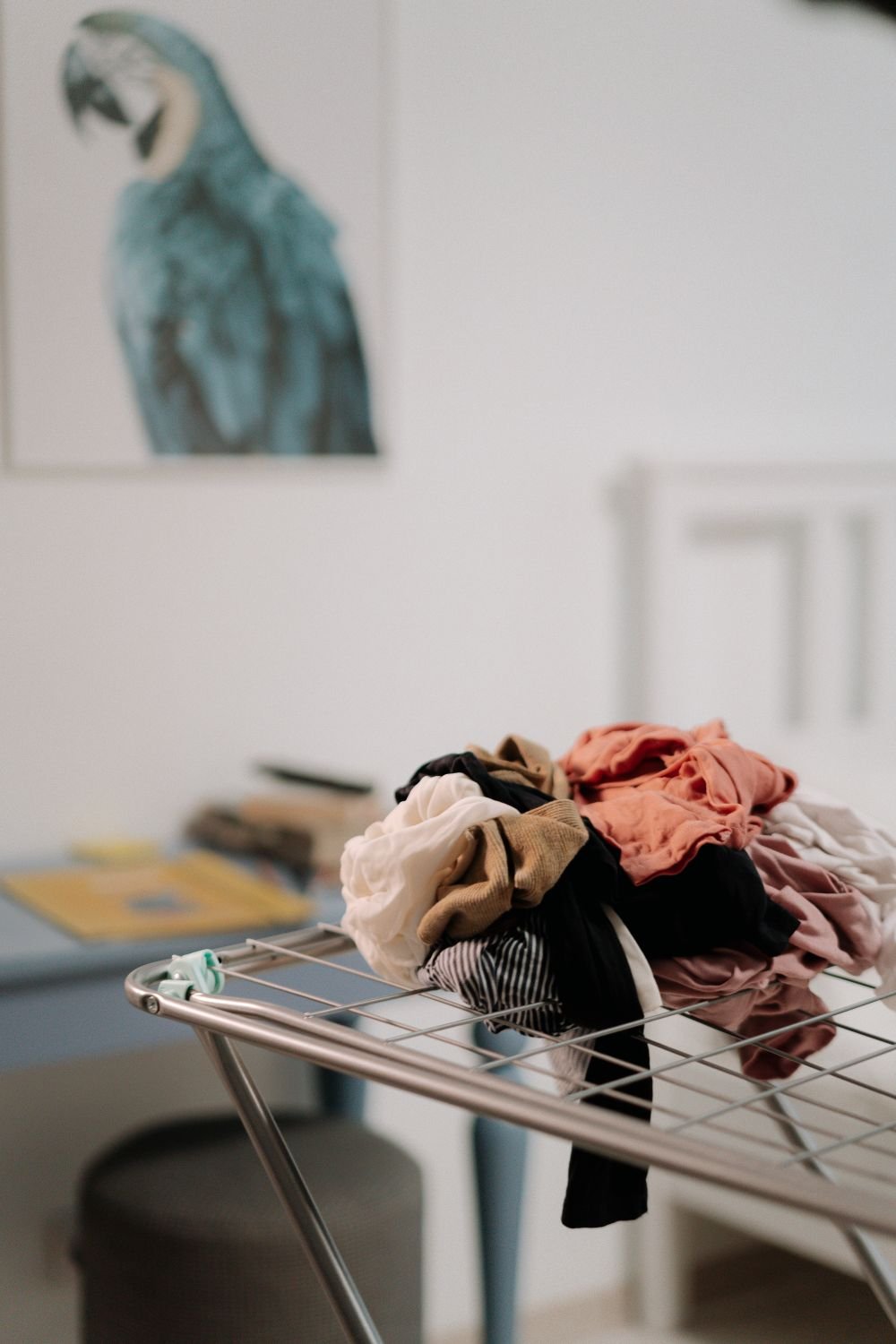
Dry it inside without the downsides
If indoors is your only option, a few habits take most of the moisture problem away.
- Spin it harder first, with an extra spin if your machine allows. Gardeners’ World recommends it, and it is the cheapest step.
- Dry in one room with the door shut and a window or vent open, or an extractor fan running. Avoid cold, damp rooms like garages and basements.
- Do not drape clothes over radiators, which blocks the heat and traps moisture.
- Leave gaps between items so air can circulate.
- Read the room. A hygrometer shows when humidity creeps up, and a dehumidifier set below 60% handles a persistent problem. The EPA advises indoor humidity below 60%, ideally 30 to 50%.
For realistic timings, see how long clothes take to dry indoors, and for the mould-prevention routine, how to dry clothes indoors without mould.
Where a dehumidifier or tumble dryer fits
If you dry indoors regularly, a dehumidifier in the drying room does the job the outdoors would have done: it takes the water out of the air. A dehumidifier for drying clothes covers settings and placement, and whether a dehumidifier can replace a tumble dryer compares the two. Both cost electricity, so the line is still the cheapest option on a good day.
Use the line when the air is dry, and manage the moisture when it is not
So, drying clothes inside vs outside: outdoors wins whenever the air is dry and moving, indoors wins when the weather says no, and indoors only becomes a problem when the moisture has nowhere to go. Spin hard, dry in one ventilated room, keep gaps and watch the humidity, and the result is close to the line.
FAQ
Is it better to dry clothes inside or outside?
Outside is usually faster, free and adds no moisture to your home, when the weather is dry and breezy. Inside is better in rain or frost, if you ventilate and manage the humidity.
Does drying clothes outside in winter work?
Yes, on a dry, windy day clothes do dry, even in cold weather, though more slowly. Freezing weather and damp air make it unreliable, so inside may be easier.
Is drying clothes outside cheaper than a tumble dryer?
Yes. The line costs nothing, while any dryer uses electricity. Indoors with a dehumidifier or heated airer also uses power.
Does drying clothes outside fade them?
Sun can fade coloured, dark and delicate items, while it brightens whites. Dry coloured items in the shade or inside out.
How do I stop indoor drying making my house damp?
Spin clothes hard first, dry them in one room with the door shut and a window open or an extractor on, leave gaps between items and monitor humidity with a hygrometer.

