
Last Updated on October 24, 2026 by Umar Farooq
What does black mold look like? Usually a cluster of dark green, brown or black speckles that merge into a smudge, slick when the surface is damp and powdery when it is dry, found on the coldest, stillest part of a wall, ceiling or grout line. It is rarely a clean, jet-black patch, whatever the stock photos suggest.
Everyone’s first search is the same: you spot a dark mark in the corner of the bathroom ceiling, hold a torch to it at 11pm, and wonder whether it is mould or just a very committed spider. This guide is about telling the difference by eye, and about what the pattern is telling you about the damp behind it.
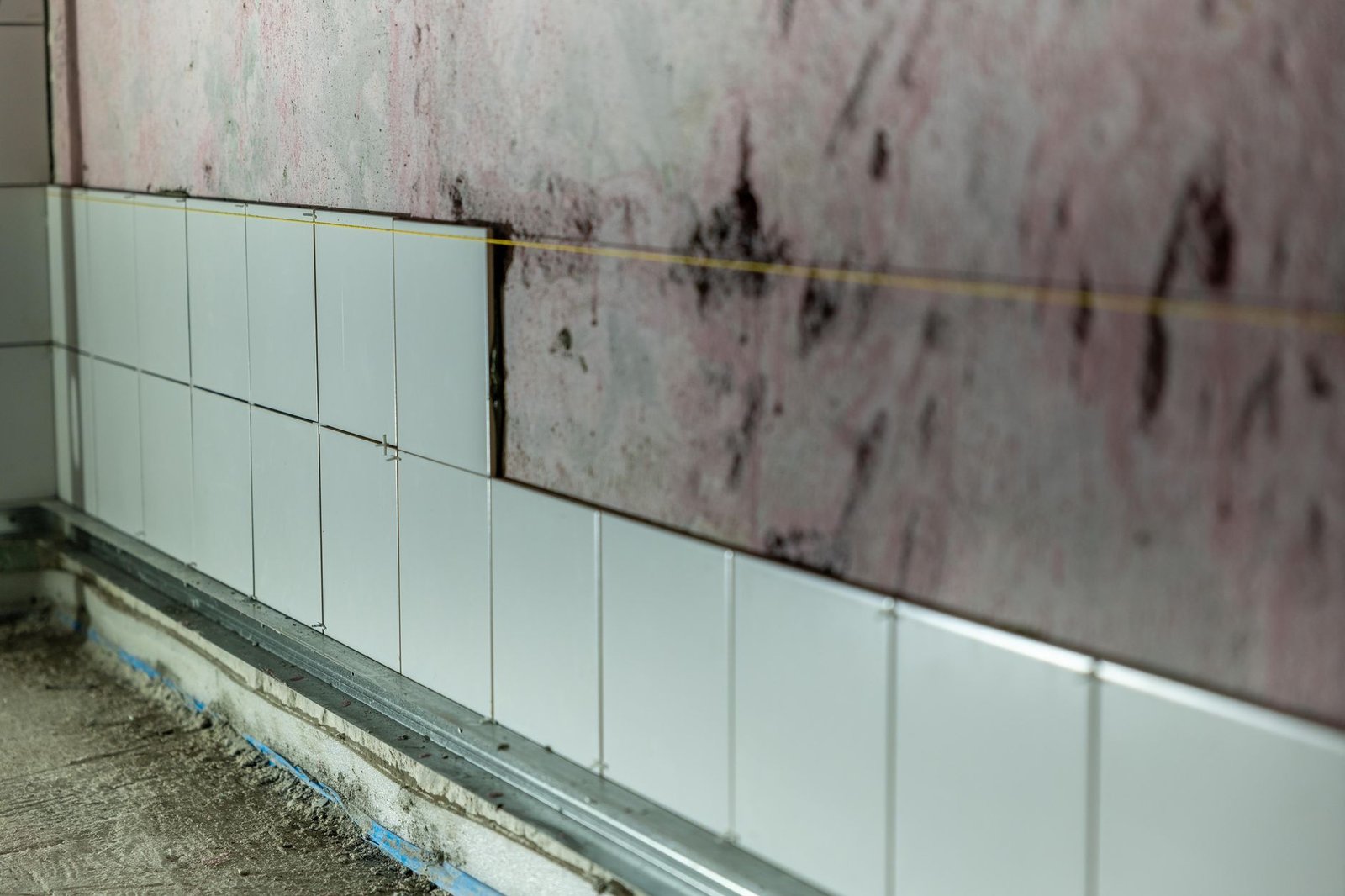
What does black mold look like when it is wet, and when it is dry?
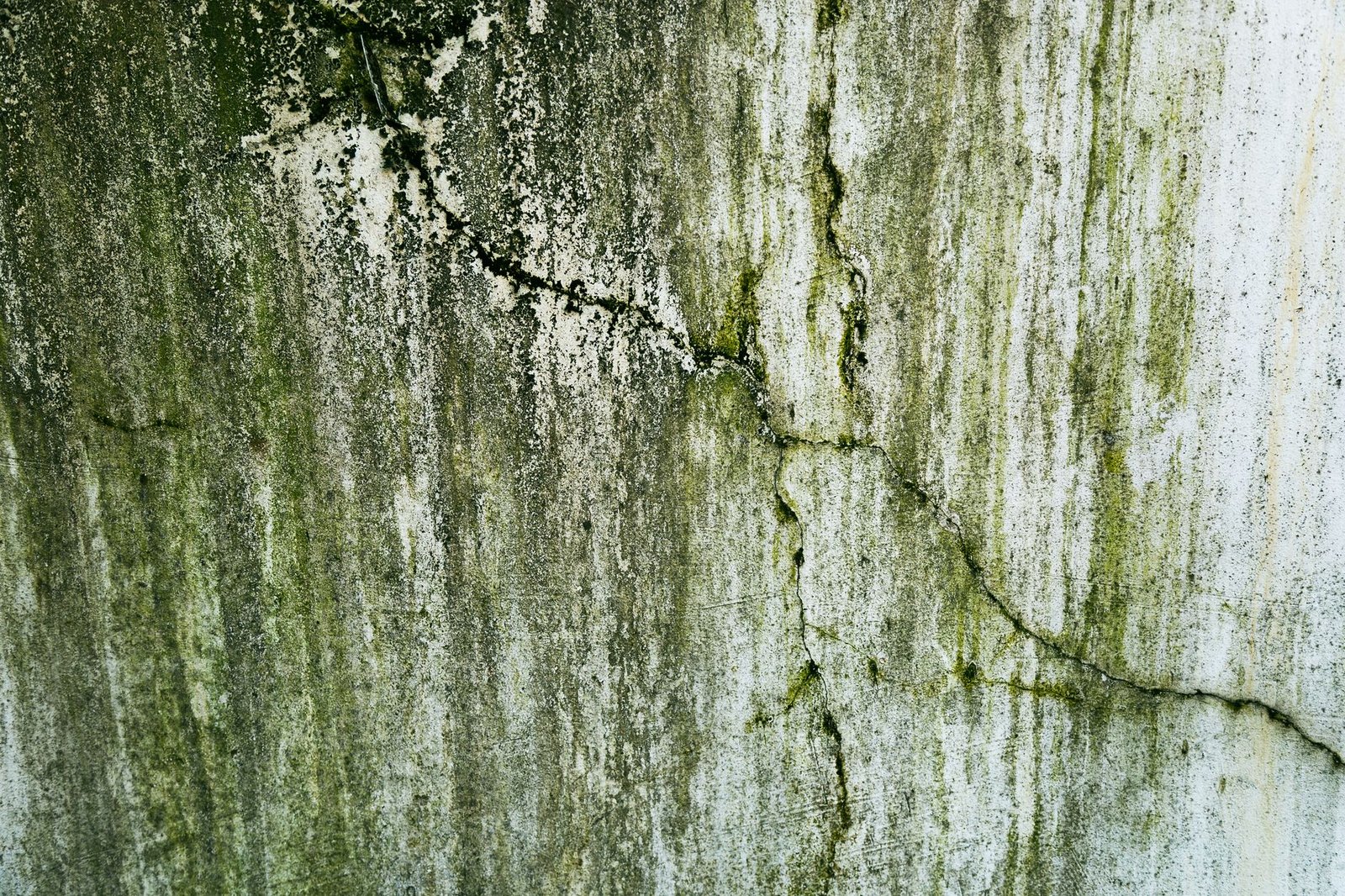
Appearance changes with moisture and age, which is why one photo never settles it.
- Colour: dark green, olive, brown, grey-black or true black. Within one patch you will often see several shades. The EPA simply notes that moulds come in many colours, white ones included.
- Wet or fresh growth: shiny, slick or slightly slimy, with a darker, glossy centre.
- Dry or old growth: dusty, matte and powdery. It can look grey or smoky, and a cloth can smear it.
- Shape: it starts as separate pin-prick spots, which spread outwards in rough circles. Neighbouring circles merge into a blotchy patch with a ragged edge, sometimes with a paler, fuzzier rim.
- Age: young colonies are often pale, grey or green. The dark colour tends to arrive as the colony matures, so a “green” spot on a damp wall is worth taking seriously rather than dismissing.
Under it, the surface itself often shows the problem: bubbled or peeling paint, a darkened caulk line, or plaster that feels cold and faintly clammy.
Smell and texture: the two clues a photo cannot give you
Photos only cover one sense. If you are standing in the room, two more checks help.
Smell. A musty, earthy, damp-cellar smell, strongest in a closed room first thing in the morning, points to active growth. The EPA lists a mouldy smell with no visible source as a reason to suspect hidden mould. If the smell lingers after you have cleaned a visible patch, look behind furniture and inside cupboards on outside walls.
Texture. Mould can grow into porous materials like plaster, wood and grout. Dirt and soot sit on top and tend to be uniform. Fuzzy, speckled or spotty texture suggests mould. A flat, even tint suggests something else.
I would not poke it to find out. That brings me to the warning further down, but first, where to look.
Where it turns up, and why it always picks the coldest spot
Black mould is not spread evenly around a home. It forms where three things coincide: a cold surface, still air and a source of moisture.
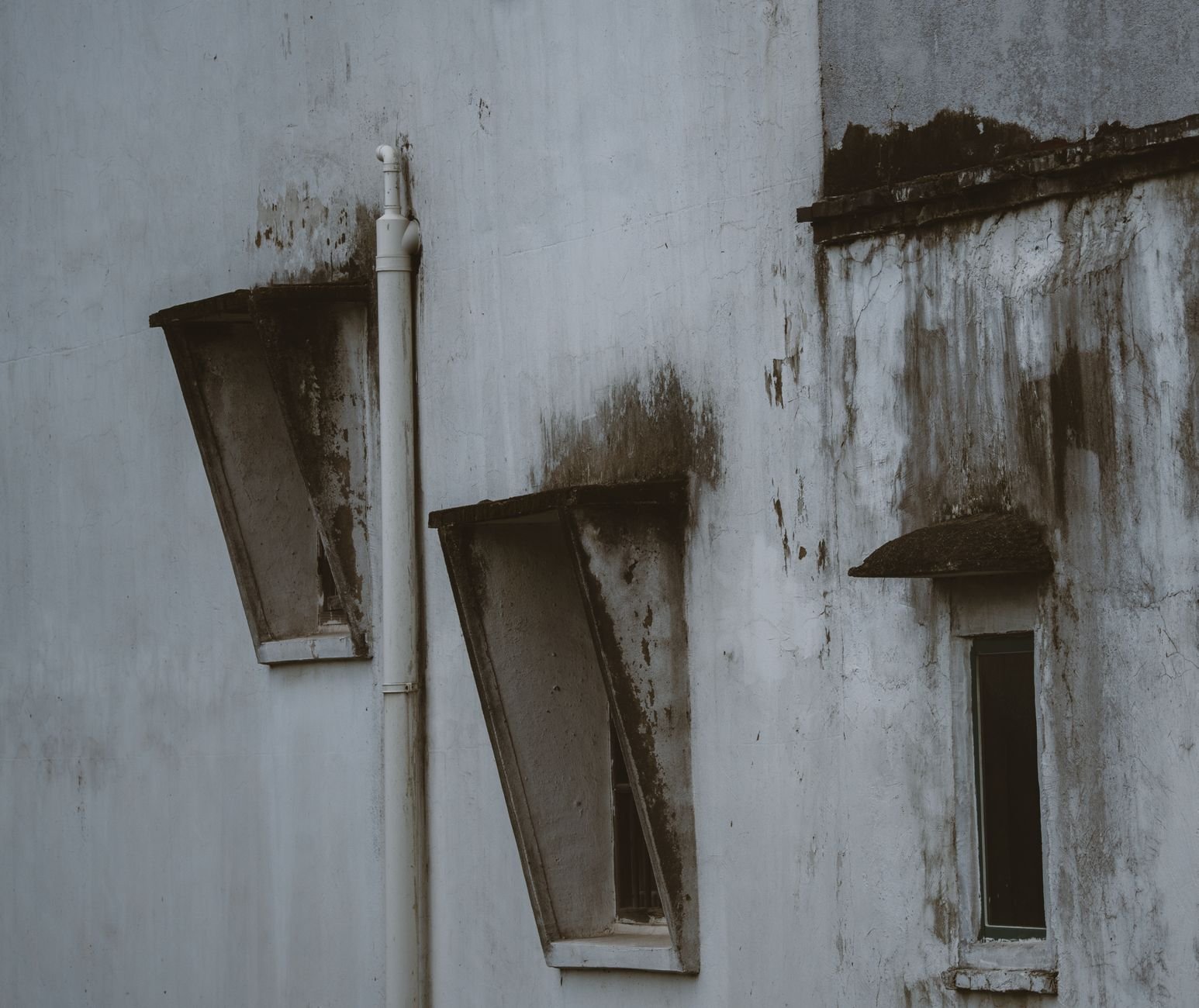
The mechanism is simple. Air at 20°C / 68°F and 50% relative humidity that touches a wall at 12°C / 54°F is cooled at that surface, and the relative humidity right there climbs to roughly 84%. Your hygrometer in the middle of the room still says 50%. The wall is wetter than the room, and the EPA advises keeping indoor humidity below 60%, ideally 30-50%, because damp surfaces are where mould starts.
So the usual suspects are:
- Ceiling corners and the top of outside walls, especially in bathrooms and bedrooms.
- Window reveals, frames and sills, where condensation runs down and pools.
- Behind wardrobes and beds pushed against an outside wall. Still air plus a cold surface.
- Shower grout, silicone seals and tile edges, which stay wet for hours.
- Under sinks and around pipes, where the cause is a slow leak, not the weather.
- The base of basement walls, where the pattern follows the damp rather than the cold.
A useful rule of thumb: if the mark sits in a corner, behind furniture or along a cold edge, it is more likely to be mould. If it sits dead centre on a warm, open wall, think again.
Five things that look like black mould and are not
This is where most “is it mould?” panic ends. Check these before you buy a test kit.
| Look-alike | How it differs from mould |
|---|---|
| Soot or candle smoke | Even, smoky tint, often in lines above radiators, candles or a flue, with no speckled edge |
| Dust “ghosting” | Dark lines tracing the studs or joists behind the plasterboard, where the wall is colder. Same cold-spot mechanism, but the mark is dust, not growth |
| Water stains | Brown tide-marks with a clear edge, no speckles and nothing fuzzy |
| Old stained grout or dirty silicone | Flat, uniform discolouration that has not changed in months and does not spread |
| Mildew | Flatter, paler (white, grey, yellowish) and more powdery. Same moisture problem, often an earlier stage |
One caveat that keeps me honest: you cannot tell the species by eye, and neither can anyone quoting for removal. Many harmless moulds are dark, and the one people fear, Stachybotrys, is only one of many. Colour is not a reliable test. That is also why the EPA says that when visible growth is present, sampling is usually unnecessary: the clean-up is the same whichever it turns out to be. I go into that in more detail in dehumidifier black mold: what it prevents and what it cannot.
Black mold, mildew and the other dark moulds: three names, one plan
People use several words for one problem, so let’s separate them.
- “Black mould” in everyday use means any dark indoor growth. As a species it is a narrower thing, and you cannot confirm it visually.
- Mildew is the casual name for the flat, pale, powdery growth you find on a shower curtain or a window sill. Same cause, usually earlier stage.
- Other dark moulds (such as Cladosporium) are common indoors and look just as black on a wall.
For you, as the person with a torch, the practical point is that all three need the same two responses: remove the growth carefully and remove the moisture. The label changes the vocabulary, not the plan.
Found it? Do this before you touch it
Do not dry-brush, scrape or sand mould, and do not blast it with a fan. That puts spores into the air you are breathing. Do not mix cleaning products. If the patch is bigger than the EPA’s guide of about 10 square feet, if it is inside a wall or the heating and ventilation system, or if it follows flood or sewage water, stop and get a professional. If anyone in the household is worried about mould exposure, ask a doctor rather than a website.
If it is a small patch on a hard surface, the EPA says you can usually handle less than about 10 square feet yourself, scrubbing with detergent and water and drying the area completely. For a step-by-step on painted plaster, see how to get rid of mould on walls.
The sequence that matters, though, is the order:
- Find the water. Leak, failed seal, blocked gutter, or condensation on a cold surface.
- Clean the visible growth the cautious way, under the 10 sq ft line.
- Take the surface out of the damp zone: pull furniture 5 cm / 2 inches off outside walls, open the window after showers.
- Hold the room at 30 to 50% relative humidity with a hygrometer (a cheap one will do). If ventilation is not enough, a dehumidifier does this job; sizing is covered here.
I would skip any “black mould test” sold on the strength of one photo. Spend the money on a hygrometer.
Read the pattern and you can find the damp behind it
The look of the patch is only half the answer. Its position tells you the cause: corner and ceiling means cold surface and poor air movement, window reveal means condensation, under the sink means a leak, low on a wall means water from outside. So the useful question is less “what does black mold look like?” and more “why is it there?” Fix that, clean the speckles, and the next time you hold a torch up it will only be the spider. For how humidity and growth relate, see what humidity does mold grow at.
FAQ
Can black mold look green or grey?
Yes. Young or drying colonies are often grey or green, and one patch frequently shows several shades. The dark colour usually develops as it matures, so do not rule a patch out because it is not jet-black.
How can you tell mould from dirt?
Mould tends to be speckled or fuzzy, sits in cold, still spots, spreads over weeks and comes with a musty smell. Dirt and soot are even, flat and unchanging, and appear where there is airflow or smoke. When you are genuinely unsure, treat it as damp and fix the moisture anyway.
Is every dark mould the same as the species called black mould?
You cannot tell by looking. Many harmless moulds are dark and colour does not identify a species. The EPA says sampling is unnecessary in most cases where growth is visible, because the response is the same.
Where does black mould usually grow in a house?
On cold, damp, poorly ventilated surfaces: ceiling corners, window frames, shower grout and silicone, behind furniture against outside walls, under sinks and on basement walls.
How quickly does black mould appear?
Sustained humidity above about 60% gives it what it needs, and the EPA advises keeping indoor humidity below that. Visible patches usually take days to weeks to appear, which is why a recurring corner is a humidity problem rather than a one-off.
Does bleach get rid of black mould?
The EPA’s cleaning guidance recommends scrubbing hard surfaces with detergent and water and drying them fully, and does not mention bleach. Whatever you use, the cause of the moisture has to be fixed or the patch returns.

