
Last Updated on October 24, 2026 by Umar Farooq
Does ventilation prevent mold? Yes, but only by removing moisture: fresh air does nothing to mould spores, it helps because it carries damp air out of the house, and only when the air coming in is drier. An open window on a muggy day is a way of inviting the damp in.
I have watched people leave a bathroom window cracked for a week and wonder why the ceiling still speckled. Ventilation is a tool for one job, and it is worth knowing which.

Does ventilation prevent mold? It works on the air, not on the mould
Mould needs moisture. The EPA’s brief guide to mold, moisture and your home says exactly this, and its advice is to control the moisture, including using exhaust fans or opening windows when cooking, dishwashing or showering. Ventilation is on the list because it is a moisture tool.
That tells you what it can and cannot do:
- It can take steam and cooking vapour out before it settles on cold walls, which is where condensation, and later mould, starts.
- It can keep the room’s general humidity down, if the outside air is drier.
- It cannot kill mould that is already there, dry a soaked carpet, or stop a leak.
I would put it this way: ventilation prevents mould the way mopping prevents a flood. Useful, but only once the tap is off. For the full ventilation plan, how to ventilate a house to reduce moisture covers the layers, and I will not repeat them here.
A wet wall does not care how much air is moving past it
This is the gap in most “ventilate to prevent mould” advice. Airflow dries a damp surface slowly, but it is not a rescue for wet material. The EPA’s guidance on water-damaged areas is to dry them within 24-48 hours, and that is a drying deadline for something that got wet, not a promise that a breeze will do it.
So if a pipe has dripped into a cupboard or a carpet has been soaked, ventilation is the supporting act. Stop the water, remove what cannot be dried, then use air to finish the job. Leaving a window open while the leak runs on is the one combination guaranteed to disappoint. How quickly visible growth shows up after that is a separate question, answered in how long mould takes to grow.
Check the outside air before you open the window
Ventilation swaps indoor air for outdoor air. If outdoor air holds more water than indoor air, you have swapped dry for damp. In a humid spell, such as a warm, wet autumn week, an open window can raise the indoor moisture level, and that is my main objection to the “just air it out” advice.
The simple test is to compare the water content of the two air masses, not the humidity percentages, because cold air shows a higher percentage for the same amount of water. The arithmetic is worked through in does opening windows reduce humidity, so I will not redo it. The short rule from that page applies here: on a day the outdoor number is lower, open wide for a few minutes; on a day it is higher, keep the extractor running and the window shut.
Fix these four rooms first
If you only have time for four rooms, this is the order I would use, based on where household moisture is actually made. The ranking is my judgement from how much water each activity puts into the air, not a measured league table.
| Room | What makes the moisture | What ventilation should do |
|---|---|---|
| Bathroom | Showers and baths | Run the extractor fan during and after, so steam leaves before it condenses on the ceiling |
| Kitchen | Cooking, boiling, dishwashing | Use the hood or extractor while cooking, vented outside, not just recirculated |
| Laundry | Washing, drying clothes, a tumble dryer | Vent the dryer to the outside where possible, and avoid drying wet clothes in a closed room |
| Bedroom | People, overnight, and drying clothes on a radiator | Air it briefly in the morning; a bedroom has no big source, so the problem is usually a cold wall behind furniture |
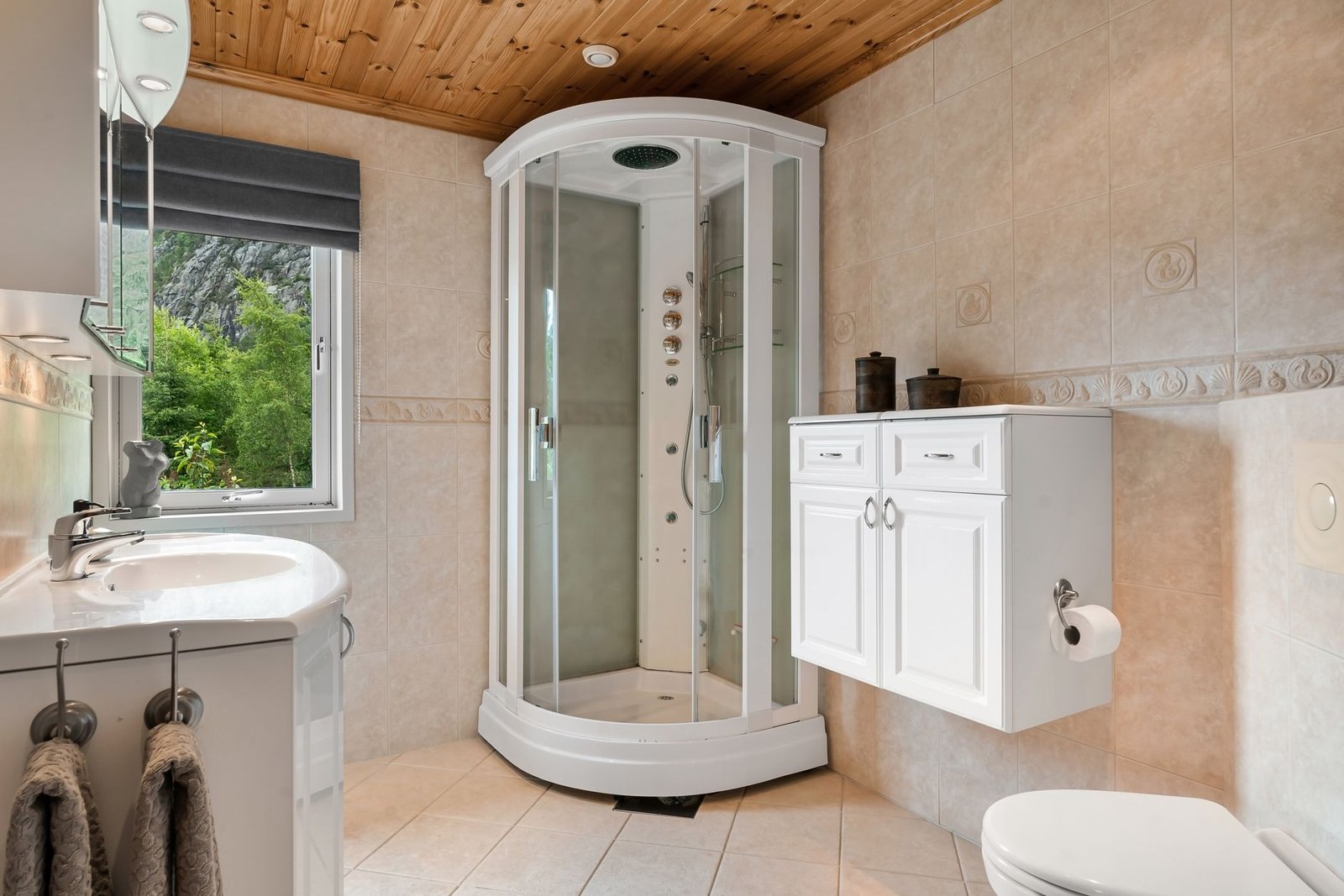
The order follows the same logic as the UK government’s damp guidance, which says that moisture from showering, drying laundry and cooking builds up in the air if it cannot be removed, and recommends adequate ventilation in kitchens and bathrooms in particular. Notice the common thread: remove the moisture where it is made, because once it spreads through the house you are ventilating the whole building instead of one room. The overall sequence for a house is in how to prevent mold in a house.
Use the humidity reading to decide whether it worked
You do not need to guess. The EPA advises keeping indoor humidity below 60 percent, ideally between 30 and 50 percent, and a small hygrometer tells you whether your ventilation is delivering that. If the number sits at 45-50% after the extractor has run, the ventilation is doing its job. If it stays above 60% regardless of what you open, ventilation is not enough on its own and you are looking at a bigger moisture source or a house that is too tight for the load.
A caveat that catches people out: a reading of 55% in the middle of the room can still be much higher at a cold wall, because cooler air against a cold surface carries a higher relative humidity. The EPA mould course notes mould is frequently found on walls in cold corners where condensation forms. If you want to see where the 60% and surface thresholds come from, what humidity mould grows at sets out the numbers, including why I treat 60% as the alarm and 50% as the target.
Ventilation prevents mould when the source is controlled and the outdoor air is drier
My view, after reading what the EPA and UK government actually say, is that ventilation is worth doing every day but is rarely the whole answer. It prevents mould when three things line up: the moisture is removed at the source (the extractor over the shower, the hood over the hob), the air coming in is drier than the air going out, and there is no leak or soaked material feeding the damp from behind.
When those line up, it is cheap and it works. When the humidity stays high in spite of it, treat that as information about the house rather than a failure of your window-opening, and look at the cause before you buy anything.
FAQ
Does ventilation get rid of mold that is already there?
No. Ventilation removes damp air; it does not kill or remove mould that has already grown. Existing growth needs cleaning, and the water source behind it needs fixing first. Better airflow afterwards helps stop it returning.
Can poor ventilation cause mold?
It can contribute. When steam from showers, cooking and laundry has nowhere to go, it condenses on the coldest surfaces, and persistent damp is what mould needs. The UK government’s damp guidance describes this pattern as condensation damp. Poor ventilation is rarely the only cause, though, because leaks and cold walls play a part too.
Is it better to leave windows open all day to prevent mold?
Not as a rule. A window left open in cold or humid weather can bring in more water than it removes, and it wastes heat. A few minutes of wide-open airing when the outdoor air is drier, plus extraction at the source, does more than a permanent crack.
Do extractor fans prevent mold?
They help in the rooms where they are used, because they remove steam before it condenses. A fan that is switched off during the shower, or that is not ducted outside, protects very little. Leaving it running for a while afterwards matters as much as running it during.
Does ventilation stop condensation on windows?
It reduces it by lowering the moisture in the air, but it will not stop it entirely on a cold pane. If the glass still streams after a shower, the room humidity was higher than the window surface could cope with, and a hygrometer will show you by how much.

