
Last Updated on October 24, 2026 by Umar Farooq
Do dehumidifiers affect houseplants? Yes, a little, and mostly the tropical ones: a dehumidifier at 40-50% leaves the air close to what most heated homes hold anyway, so the damage comes from running it too hard, not from running it at all. The plants that sulk are the ones that wanted a jungle in the first place.
I get this question from people who have just bought a machine and are eyeing the fern on the landing with suspicion. The honest answer has more to do with your settings and your plant list than with the machine itself.
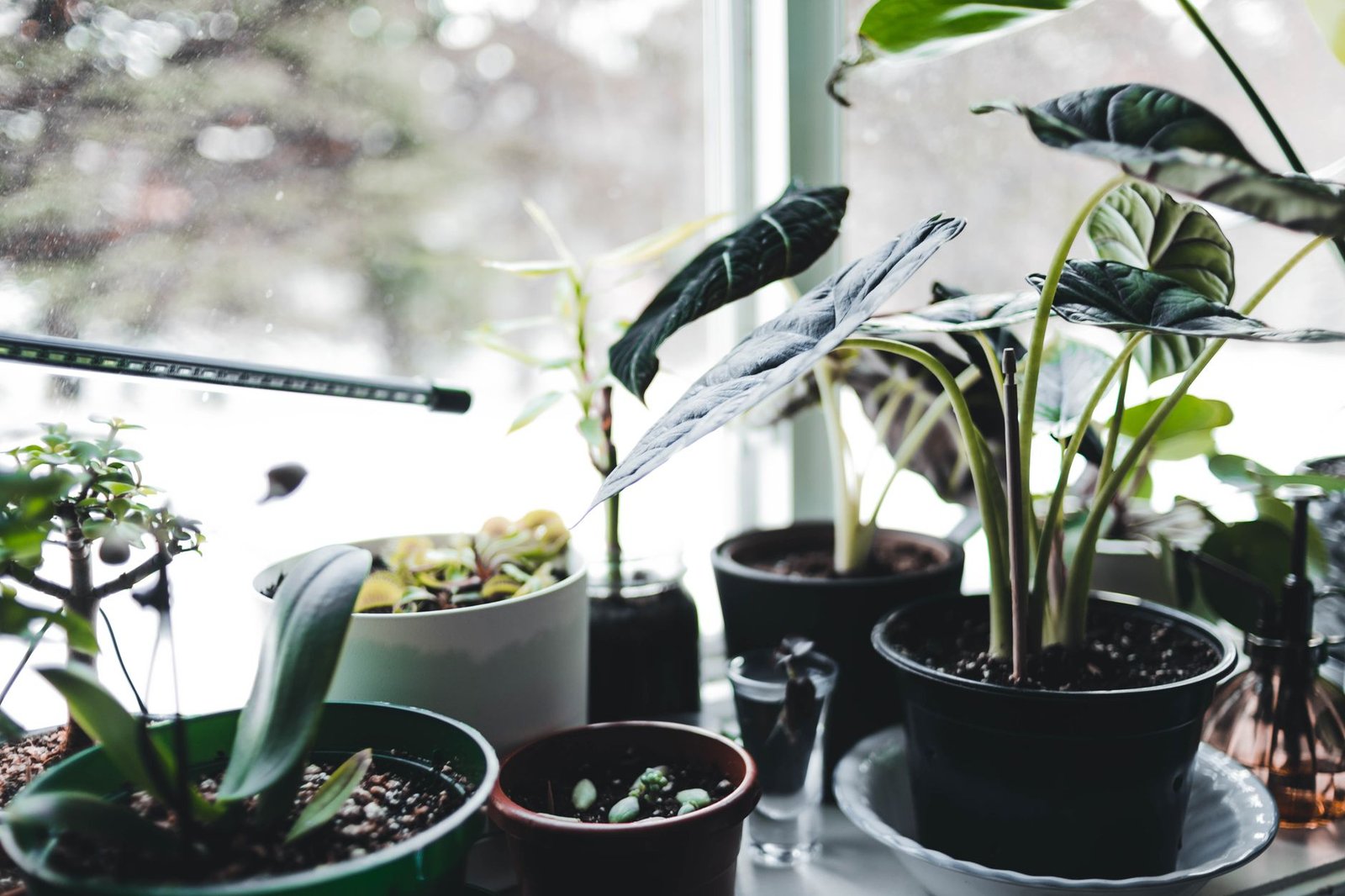
So, do dehumidifiers affect houseplants or not?
They affect the air around the plant, and the air is the only thing a dehumidifier touches. It pulls water vapour out of the room, which lowers relative humidity (RH). Whether that matters depends on where it ends up and what the plant evolved to expect.
The EPA advises keeping indoor humidity below 60 per cent, ideally between 30 and 50 per cent. My own dehumidifier settings guide tells you to park the machine at 50%. That is a perfectly normal indoor reading, and plenty of rooms sit there with no help from a machine at all.
The 20-point gap between your setting and the plant’s wish
Here is the awkward bit. Nebraska Extension says 70-80% humidity is generally best for houseplants, while noting that requirements vary by species and that many homes are much lower. Winter heating makes it worse, since furnaces produce warm, dry air.

My opinion, and it is only that: do not chase 70-80% for the plants. That figure is a long way above the EPA’s ceiling, and a room held near it is a room where you have invited mould to dinner. The plants should adapt to the house, not the other way round. Read what indoor humidity should be first, then choose plants that cope with it.
Which houseplants notice, and which shrug
The tropical group is the one that complains. Nebraska Extension lists ferns, Rex begonias, prayer plants and calathea as needing high humidity to grow well.
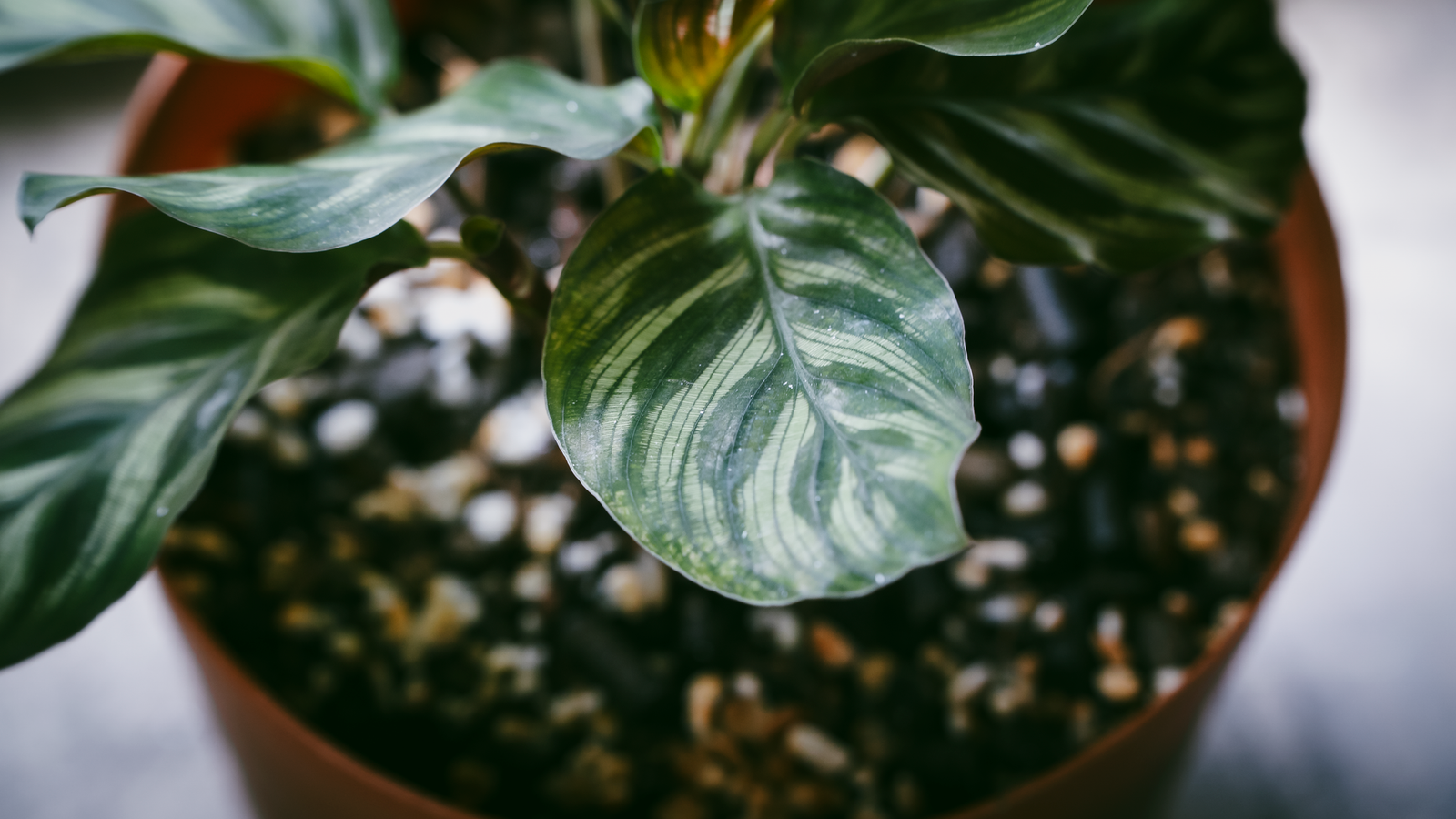
Brown, crispy leaf tips are the usual complaint. Iowa State Extension calls low humidity the most likely cause of brown leaf tips, common on spider plants and dracaena, but it also names tap water chemicals (chlorine, fluoride) and uneven watering. So brown tips do not prove your dehumidifier did it.
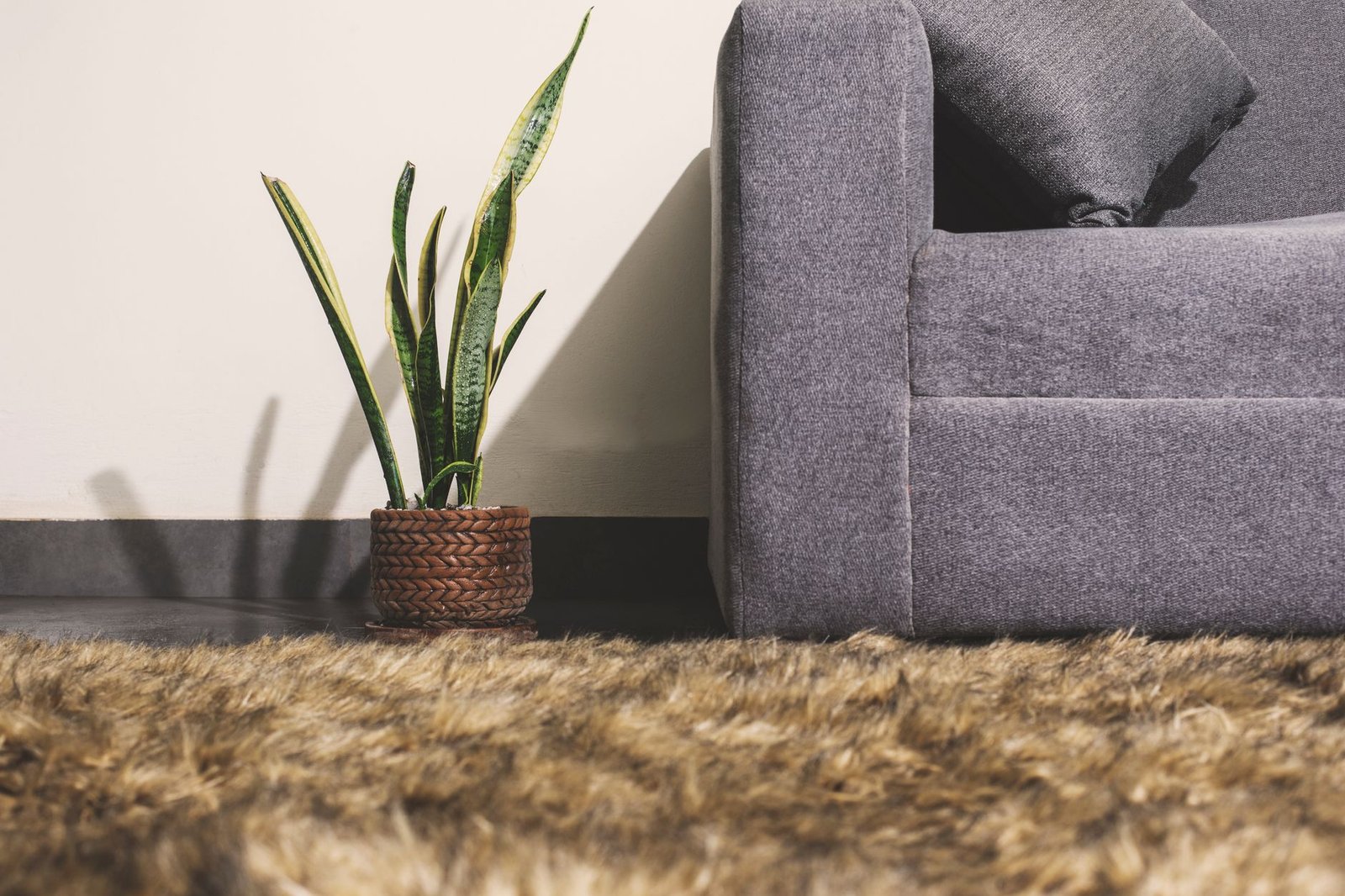
Which plants do not care? Succulents, cacti and snake plants come from dry places, so a 40-50% room is no hardship. That is general horticultural knowledge rather than something I measured or took from the extension pages above, so treat it as a sensible expectation rather than a guarantee.
Where the damage actually comes from
Not the 50% setting. The trouble starts when the machine is pushed harder: laundry mode, which runs flat out and ignores the humidistat, or a 40% target held all winter in a room that central heating is already drying. A room with a dehumidifier, a radiator and a calathea has three parties with different ideas.
I cannot give you a measured figure for how much drier the air near a pot gets, because nobody I can cite has published one for ordinary homes. What I can say is that a machine on its normal setting stops once it reaches the target, while laundry mode keeps going. If you only run laundry mode for a washing load, the plants get a short hard spell, not a permanent desert. If it lives on laundry mode, they will let you know.
Three easy fixes that keep plants and machine on speaking terms
- Set 50%, not 40%, and keep laundry mode for laundry. It is the setting I recommend anyway, and it is gentler on the foliage.
- Group the plants. Nebraska Extension says transpiration creates a small pocket of slightly higher humidity around plants, so grouping them helps them benefit each other. Keep the tropicals together and the snake plant elsewhere.
- Use a pebble tray if you must. Nebraska Extension suggests a tray one to two inches deep filled with gravel, with the water kept below the base of the pot so the roots do not sit in it. Top it up as it evaporates.
One thing not to bother with: misting. The same page says misting plants is not an effective solution, and constantly wet leaves raise the risk of leaf spot disease.
I would also move the tropicals out of the direct line of the machine’s outlet. That is my own judgement, not sourced advice, but it costs nothing and blowing the driest air straight at a calathea seems unkind.
Do the plants return the favour?
A little, but it is small and I have no measurement to put on it. Plants release water through their leaves, which is why they can raise humidity locally. Nebraska Extension describes the effect as a pocket of slightly higher humidity around grouped plants, not a way to change the whole room. I go into it properly in do houseplants increase humidity.
The practical upshot: twenty pots will not undo a dehumidifier, and they will not fix a damp room. If the room is damp, fix the water first, as my guide on whether a dehumidifier can make the air too dry explains.
Run it at 50%, group the tropicals and let the plants adapt
So, do dehumidifiers affect houseplants? On a sensible setting they are not plant killers, and the tropical plants are the only real casualties. Hold the room at 50%, keep fussy plants together, and swap the hardest cases for tougher species rather than humidifying a house you are trying to dry.
If you truly cannot live without both a dry house and a lush fern, a humidifier dehumidifier combo is one route, though I explain why I am not convinced in that article. A small humidifier by the plants, not the room, would be my compromise.
FAQ
Will a dehumidifier kill my houseplants?
Not at a normal 40-50% setting. Tropical plants such as calathea, prayer plants and ferns may show brown leaf tips if the air gets much drier, but most common houseplants tolerate typical indoor humidity.
What humidity do houseplants need?
Nebraska Extension says 70-80% is generally best, varying by species. Most homes are lower, and the EPA advises staying below 60% indoors, so choose plants that suit your room rather than raising it.
Should I water more when a dehumidifier is running?
Check the soil rather than the calendar. I have no sourced figure for how much faster pots dry in a dehumidified room, so judge each plant by its soil.
Why are my plant’s leaf tips brown?
Low humidity is the most likely cause according to Iowa State Extension, but chlorine or fluoride in tap water and uneven watering can do the same. Rule those out before blaming the machine.
Do plants make a room more humid?
Slightly and locally. Grouped plants create a small pocket of slightly higher humidity, but no one I can cite has measured a whole-room effect, so I will not put a number on it.

