
Last Updated on October 24, 2026 by Umar Farooq
Do houseplants increase humidity? Yes, they release water vapour, but in an ordinary home the effect is small and stays close to the plants, so a few pots will neither fix a dry room nor cause a damp one. Anyone who tells you a fiddle-leaf fig is a humidifier has not owned a hygrometer.
I like houseplants and I like a dry house, and the two get along better once you stop asking one to do the other’s job. Here is what the plants really do to the air, and the three situations where they do matter.
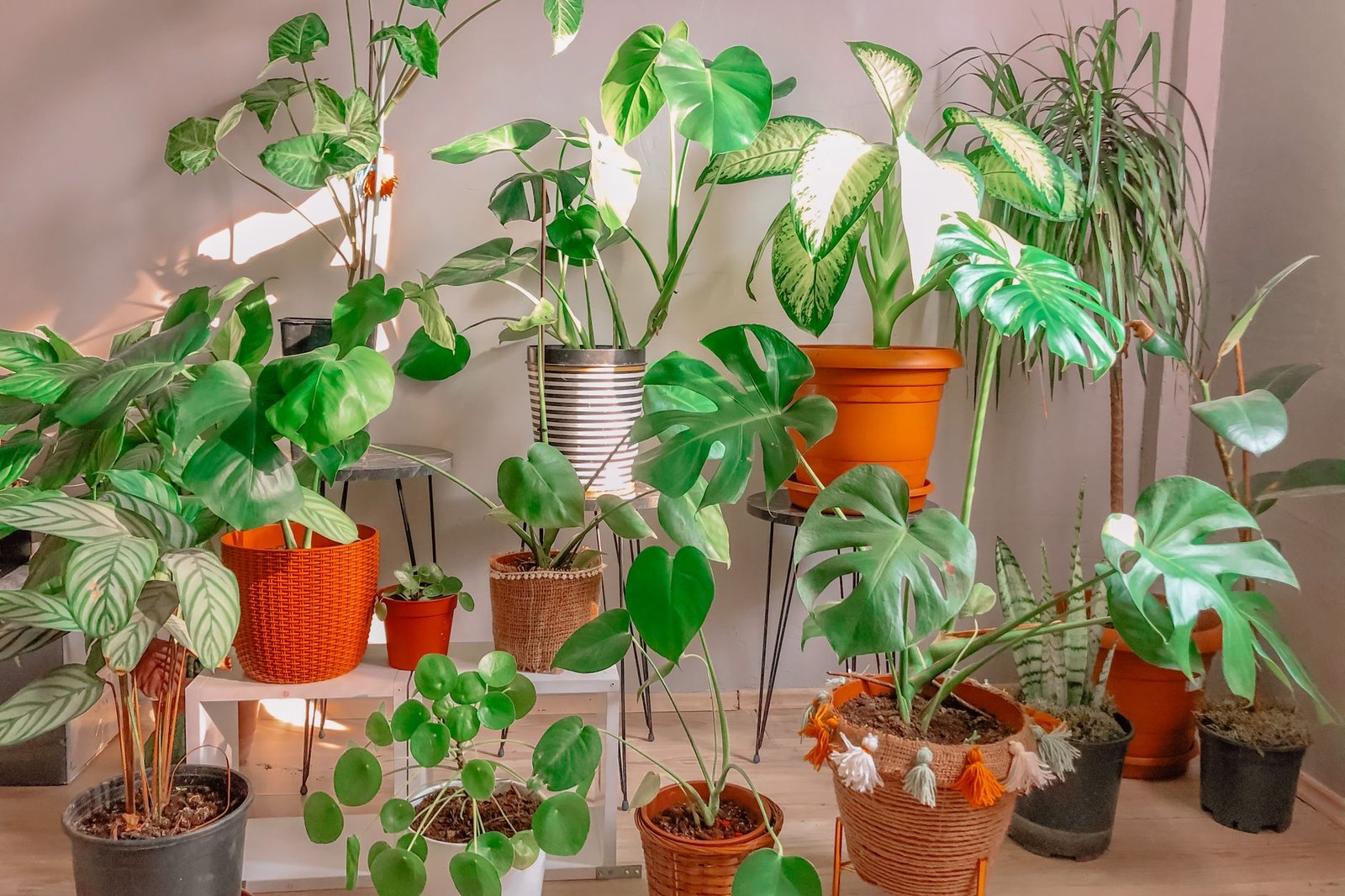
Do houseplants increase humidity enough to notice?
Slightly, and mainly in the pocket of air around the leaves. Nebraska Extension explains that plants lose water through tiny openings in the leaf surface, a process called transpiration, and that grouped plants create a small pocket of slightly higher humidity that helps them benefit each other. Note the wording: small, slightly, pocket.
That page gives no figure for the whole room, and I could not find a measured one for ordinary homes. So I will not invent one. My judgement, clearly labelled as judgement and not data, is that an open-plan living room with a dozen pots will not read differently on a hygrometer from one without, because the moisture spreads into a room that is also being ventilated, heated and lived in.
If you want to know, test it yourself. Put a cheap hygrometer in the middle of the room and a second one among the plants, and compare them over a week. The gap, if any, tells you more than any article, including this one.
Why plants cannot stand in for a humidifier or a dehumidifier
A plant only passes on water you gave it. It takes up water through the roots and releases it from the leaves, so the most it can add to the air is what went into the pot. That is a logical limit, not a measurement, and it is why I think of plants as a slow tap, not a machine.
It also runs the other way. Transpiration speeds up when it is hot, sunny, draughty or dry, so the plant gives most when the room needs it most and then gives less as the air gets damper. That is gentle and self-limiting, which is lovely for a fern and useless for a damp basement.
When the job is raising humidity, Nebraska Extension points to a humidifier: a portable one for single rooms, or one on the HVAC system for the whole home. It also says misting is not an effective solution. When the job is lowering it, the plants are no help at all. I covered what a dehumidifier does to your plants separately, so I will not repeat it here.
My one firm opinion: do not buy plants to fix your air, buy a hygrometer. The EPA advises keeping indoor humidity below 60 per cent, ideally between 30 and 50 per cent. A cheap meter tells you where you are against that. A rubber plant does not.
Is a damp house caused by plants?
Not by a few of them. Condensation and mould problems come from much larger sources of moisture: cooking, showering, drying laundry indoors, and not enough ventilation, which I go through in what causes high humidity in a house. A shelf of plants is a rounding error beside a wet-clothes airer.
The practical test is whether the damp problem existed before the plants. If it did, the plants are a bystander. If you want the real fixes, start with how to lower humidity in the house, and check the target in what indoor humidity should be.
Three situations where plants do change your room
Ordinary homes are the easy case. These are the exceptions.
A dense jungle in a small, closed room
Pack thirty plants into a box room with the door shut and the window closed, and I would expect the room to feel noticeably more humid than the rest of the house. That is an expectation from the mechanism, not a measurement. Add a heater and bright light, which speed transpiration, and the effect should be larger.
The fix is the boring one: open the door, give the room a way to air, and keep a hygrometer in there. If it climbs above the EPA’s 60 per cent, thin out the collection or add ventilation before anything else.
Wet soil and overwatering
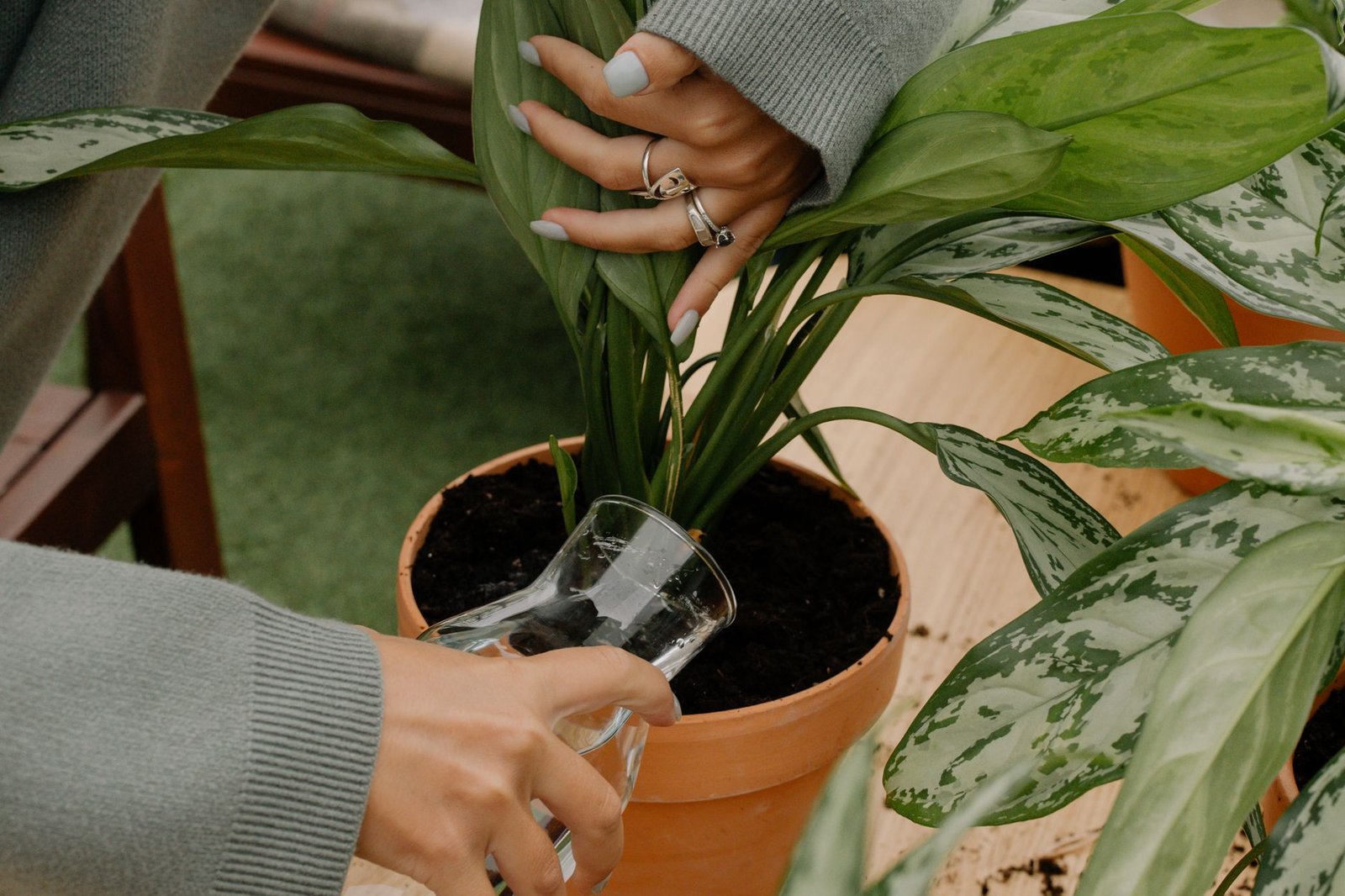
The pot is the part that stays damp. Overwatered compost holds water for days, evaporates from the surface and gives the plant root trouble as well. The cure is the same for the plant and the room: water when the top of the soil is dry, tip out any water left in the saucer, and use pots with drainage holes.
Mould on the compost
A white fuzz on the soil surface is common. An extension answer on mould on houseplant soil calls it a saprophytic fungus that is unlikely to affect the plant’s health, but says it can point to poor drainage or overwatering, and advises letting the soil dry out more between waterings.
I would treat it as a warning about your watering, not a danger in itself. Fix the water, as with any mould, and scrape off the top layer if it bothers you. I will not make any health claims about it, because that is not what I am qualified to say.
If you want more humidity for the plants, do not use plants to get it
Some tropical plants like humid air, and grouping them is the cheapest trick, because the grouping benefit comes from the plants themselves. Beyond that, a small humidifier next to the plants works better than a bigger collection. If you really want to humidify and dehumidify the same home, my piece on the humidifier dehumidifier combo explains why I think two separate machines usually win.
Keep the plants for the leaves and let a hygrometer judge the air
So, do houseplants increase humidity? A little, near the pot, and not enough in a normal home to rely on or to blame. Enjoy them, water them sensibly, and measure the room. If the reading is wrong, the answer is ventilation or a machine, and never another fern.
FAQ
Do houseplants increase humidity in a room?
Slightly, and mostly around the plants themselves. Nebraska Extension describes a small pocket of slightly higher humidity around grouped plants, and I found no measured whole-room figure for ordinary homes.
How many plants does it take to raise humidity?
I have no sourced number, and I will not make one up. Because a plant can only release the water it is given, the effect depends on how many plants, how much light and heat they get, and how closed the room is. A hygrometer will show you your own answer.
Do plants make a room damp?
Not by themselves in a normal home. Damp rooms come from larger moisture sources and poor ventilation. A very dense collection in a small closed room is the exception I would watch.
Can houseplants reduce humidity?
No, they add moisture, they do not remove it. For a damp room you need ventilation or a dehumidifier, and it is worth moving some pots out rather than adding more.
Is mould on houseplant soil a sign of high humidity?
More often a sign of overwatering or poor drainage, according to extension advice. Let the soil dry out more between waterings and check the pot drains freely.

