
Last Updated on October 24, 2026 by Umar Farooq
Can a dehumidifier make the air too dry? Yes, but only when it is set well below the recommended 30-50% relative humidity (RH) or is running in a mode that ignores its humidistat. Left on a sensible setting, it switches itself off at the number you chose, which is rather the point of the thing.
Most people who worry about this have seen a dehumidifier fill its tank for a week and assumed the room must be turning into the Sahara. It almost never is. But the failure is real, and it is cheap to avoid.
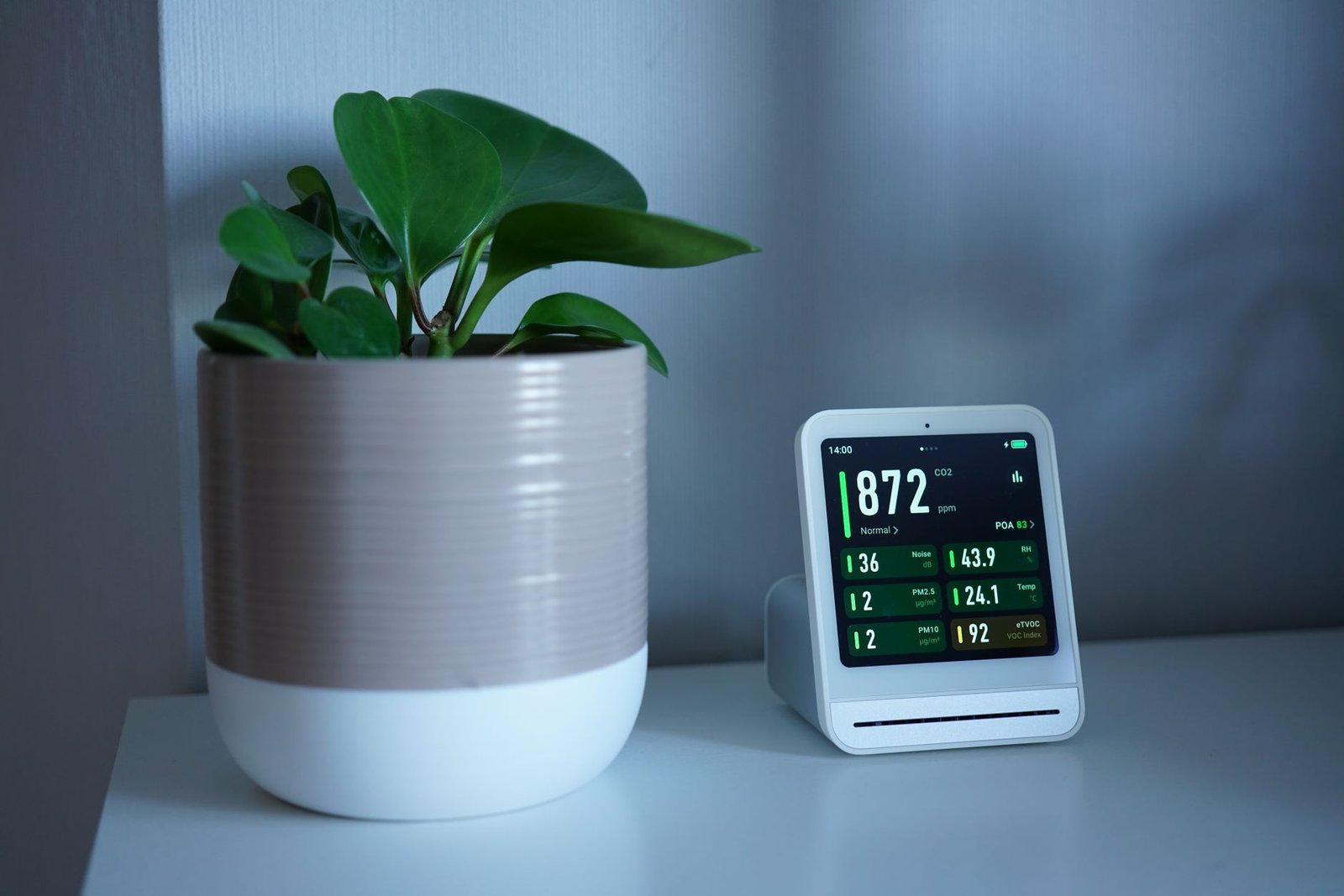
Can a dehumidifier make the air too dry? Only if something overrides the humidistat
A dehumidifier removes water vapour from the air it draws in. Nothing in that process knows when to stop, except the humidistat, the sensor-and-switch that cycles the compressor on and off. ENERGY STAR says every ENERGY STAR dehumidifier has one, and that once the room reaches the RH you set, the unit “will cycle on and off automatically to maintain the level.”
So the machine is not a runaway by default. It is a thermostat for moisture. Set it to 50% and it idles at 50%. The trouble starts in the four cases below, and each one is a settings or placement problem, not a design flaw.
Four ways a unit ends up over-drying a room
- The target is set too low. Somebody reasons that 30% must dry things faster than 50%. It does not (the unit works at the same speed either way), it just keeps running after the useful work is done. I cover that mistake in more detail in the dehumidifier settings guide.
- Continuous mode is on. Many units have a “continuous” or “run” setting for use with a drain hose, and on some models it bypasses the humidity target. Check your manual: I cannot tell you what yours does, because it varies by make.
- The sensor reads falsely high. A unit parked in a damp corner, or next to a cold wall, can sense more moisture than the rest of the room has. It keeps running while a hygrometer in the middle of the room already says 33%.
- It is treating a small space with no new moisture coming in. A sealed spare room with nobody breathing, cooking or showering in it has nothing replacing the water you remove. Dry air stays dry.
There is also a quieter fifth cause: winter. Cold outdoor air holds very little water, and when it is heated indoors the RH plunges all by itself. In that season the dehumidifier is often blamed for what the central heating did.
Why a damp house rarely gets there
Here is my own judgement rather than a measurement. In a lived-in house, people add moisture all the time: breathing, showers, kettles, washing. Against that background, dragging a whole home below 30% takes a mis-set unit running for a long time in a tight, cold space. A dehumidifier in a normal damp basement spends most of its life trying to reach 50% and failing.
That is why over-drying is a minority problem. It shows up in small closed rooms, in homes that are already dry, and in heating season. If your unit has never cut out in weeks of running, the likelier explanation is that the room is still damp, not that you have over-dried it.
Signs the air has gone too far
You do not need to rely on feel. A hygrometer reading under about 30% is the clearest sign, and the EPA’s guidance is to keep indoor humidity below 60%, ideally between 30 and 50%, so 30% is the bottom of the recommended range.
The household signs people notice at that point are general observations, not diagnoses:
- Static. Shocks from door handles, clinging clothes, hair that will not lie down.
- Dry skin, lips and nose. Many people notice this first. I am not going to tell you what it means medically; if it persists, speak to a doctor rather than a blog.
- Wood moving. Timber loses moisture as the air dries, so you may see small gaps opening between floorboards, doors that rattle in their frames, or joints loosening in furniture. These are slow signs, over weeks.
- Houseplants drooping more than usual, with crispy leaf edges.
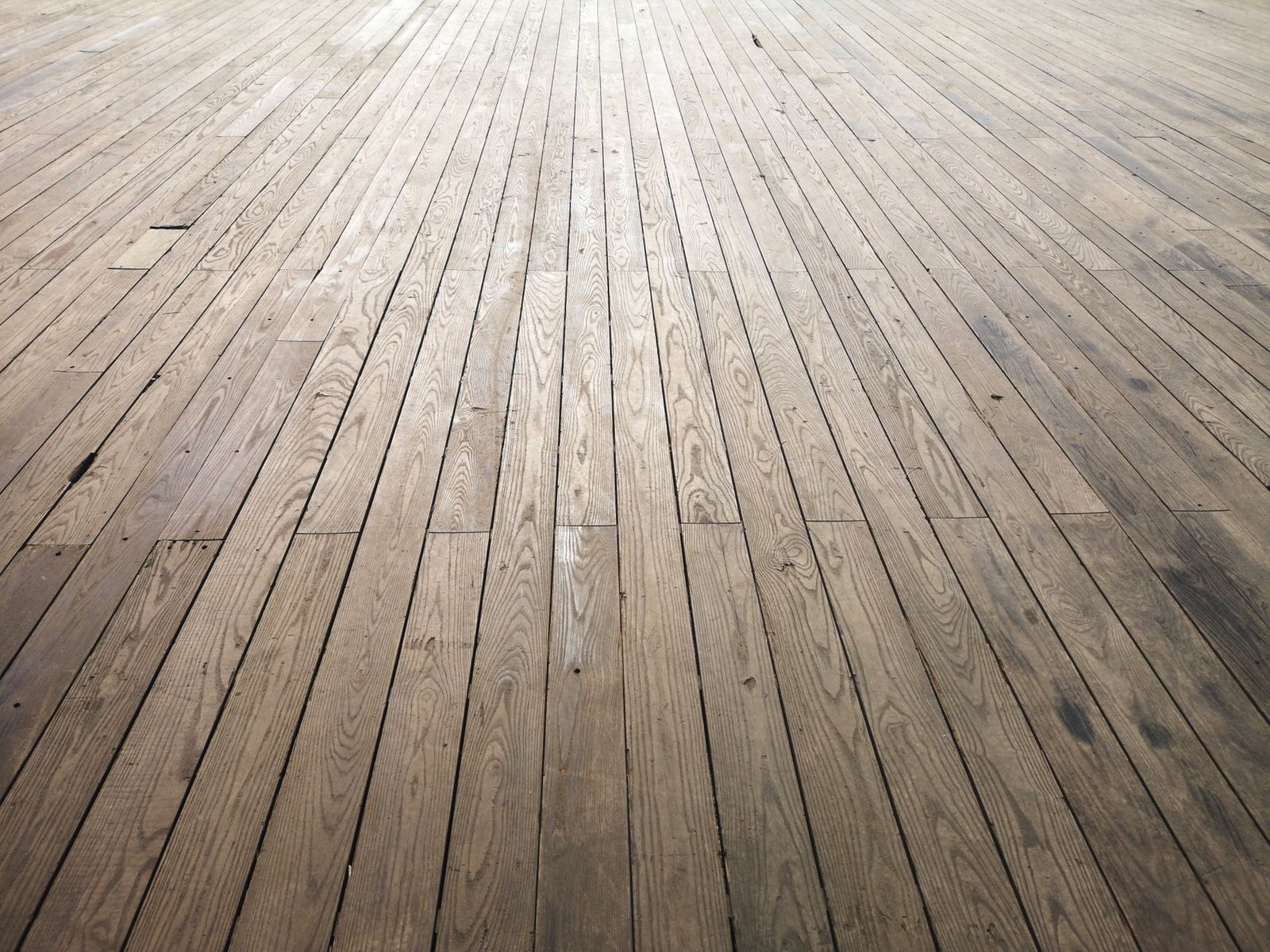
None of these is proof on its own, because cold weather and heating cause the same things. Pair them with a reading. A cheap hygrometer in the middle of the room is the one piece of kit that settles the argument (my notes on how humidity is measured cover the accuracy caveats).
Set the target at 40-50%, then check it against a second meter
The usual setting is 50%, with a drop to around 35-40% only when windows start to bead in cold weather. ENERGY STAR gives 30-50% as the optimum range for a building and, in colder climates, 30-40% RH to prevent window condensation. Treat 30% as the floor, not a goal.
A sensible routine:
- Set the humidistat to 45-50%.
- Put a separate hygrometer in the middle of the room, not beside the dehumidifier.
- Check it after 24 hours and again a week later.
- If the reading is lower than your setting by more than a few points, trust neither blindly: cheap sensors disagree. Move to the higher of the two settings.
If you want the full range of numbers by season and room, what indoor humidity should be goes through the bands.
Fix an over-dried room in four steps
Never fix dryness by standing a bowl of water on a heater or by plugging in a humidifier next to a damp wall. Add moisture in small steps and keep watching the hygrometer.
- Raise the setting or switch the unit off. Go to 50% first. If the unit has been running continuously, take it out of that mode.
- Move the unit out of the sensor-fooling spot. Away from walls, cold floors and tight corners, with about 30 cm / 12 inches of clear air all round.
- Let the room recover naturally. Drying clothes indoors, cooking and a few hours of normal life will raise the RH on their own.
- Add moisture only if the reading stays low. A humidifier works, and if you want one machine that does both jobs, the humidifier dehumidifier combo guide is candid about where combos disappoint.
Stop adding moisture the moment the hygrometer is back in the 40-50% band. Overshooting the other way puts you back at the original problem.
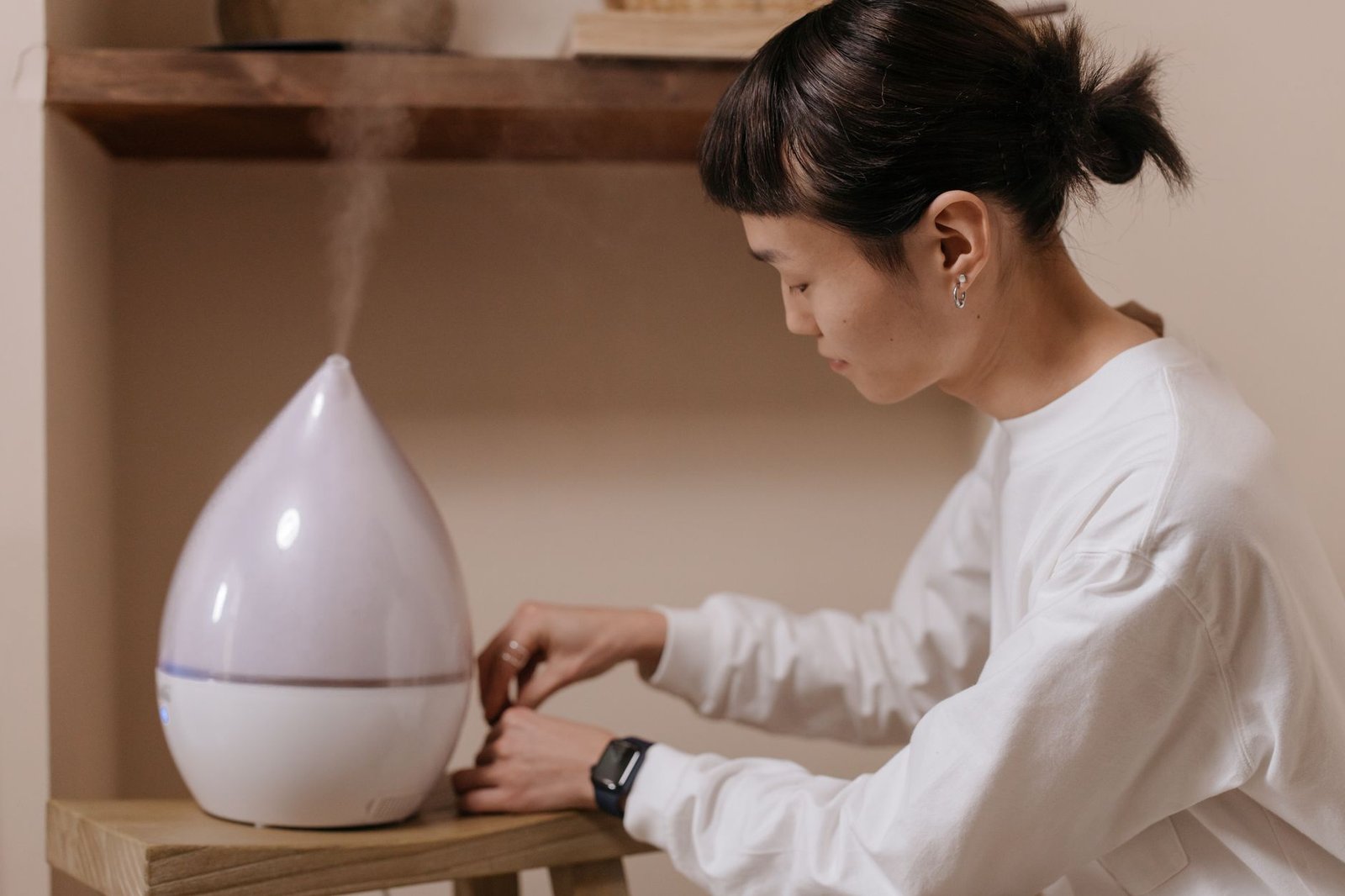
Over-drying is a settings problem, so keep the target at 40-50%
A dehumidifier that cycles on its humidistat at a sensible number will not leave the air too dry. The ones that do are almost always set to 30% for no good reason, running in a mode that ignores the target, or sensing a damp corner. Fix those three, own a hygrometer, and the question goes away.
FAQ
What percentage is too low for a dehumidifier?
Anything under about 30% RH is below the recommended 30-50% range from the EPA and ENERGY STAR. Setting the unit to 30% is therefore the lowest sensible target, and for most homes 45-50% is better.
Will a dehumidifier dry out my skin or hair?
Very low indoor humidity is commonly linked with dry-feeling skin and static, but I cannot make medical claims. If you notice it, check the room with a hygrometer and raise the setting if it is below 30%.
Is it bad to run a dehumidifier all the time?
Not if the humidistat is working. The compressor cycles off when the room reaches your target, so it is not running flat out. The problem arises with continuous mode or a target set too low.
Can a dehumidifier damage wood floors or furniture?
Wood shrinks as the air dries, so prolonged very low humidity can open gaps in floorboards and joints. A unit held at 40-50% RH is not going to do that.
Should I use a humidifier and a dehumidifier together?
Not in the same room at the same time. They fight each other. If both problems occur at different times of year, use one machine at a time or a combination unit, and watch the hygrometer for the switch-over. The difference between a humidifier and a dehumidifier explains how each one works.

