
Last Updated on October 26, 2026 by Umar Farooq
Why is my sofa damp? Usually because the room is humid or cold, the sofa is pushed against a cold wall, or something wet soaked in and never fully dried: a spill, a damp cushion cover, a drip. The sofa is rarely the problem. It is the thing in the room with the most fabric and foam, so it is the first to tell you.
Upholstery is a very large sponge that happens to look nice. It takes up moisture from the air much as a towel does, just more slowly and with more embarrassing consequences.
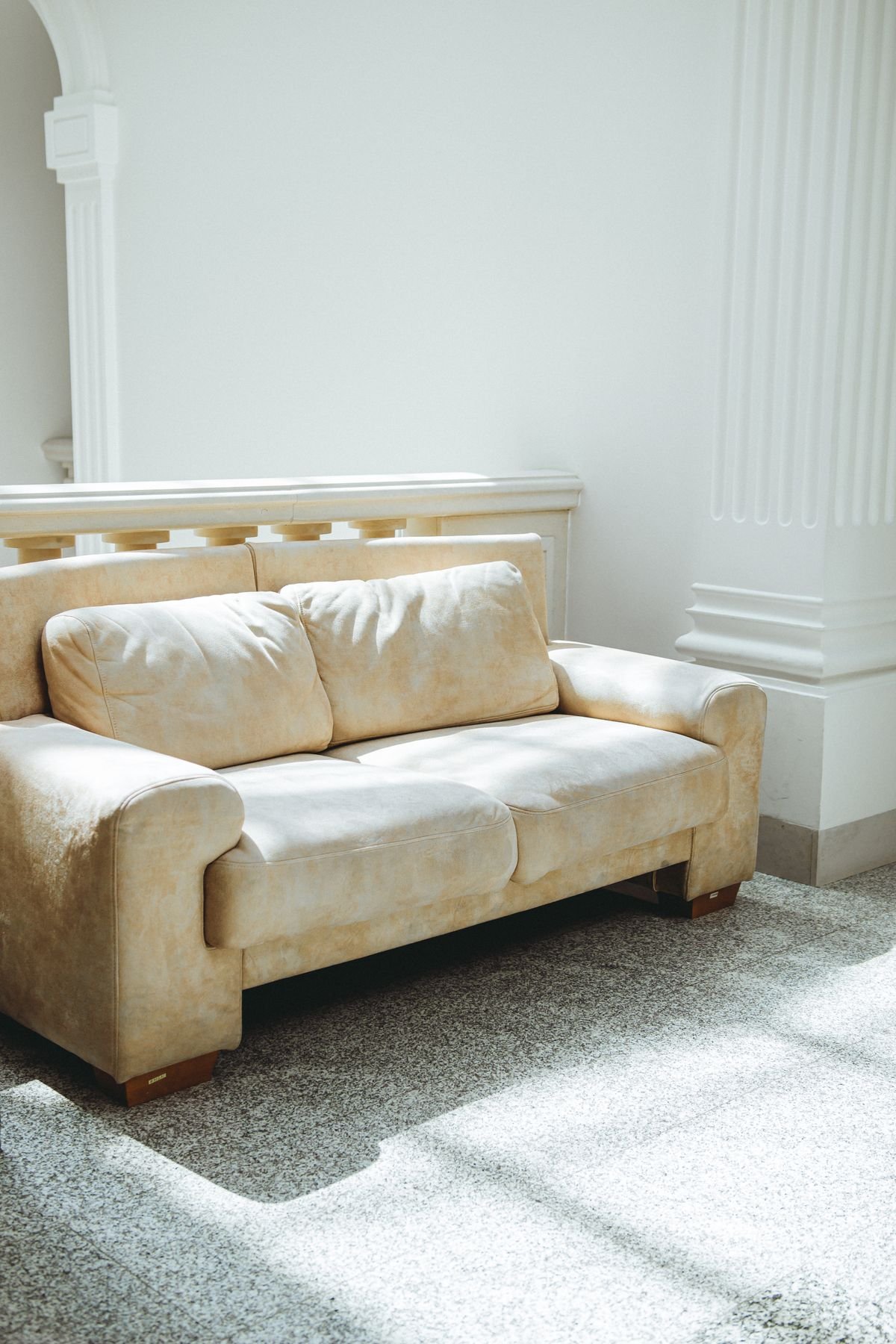
Why is my sofa damp? Check the room before the cushions
My view, and it is a judgement: measure the room before you blame the sofa. A sofa in air that is too humid will feel clammy however clean it is, and no amount of cushion-beating will fix that.
The EPA advises keeping indoor humidity below 60 percent, ideally between 30 and 50 percent. A cheap hygrometer standing beside the sofa tells you where you are. If it reads well above 60%, you are looking at a room problem, and where you put the hygrometer matters: at sofa height, not on a high shelf by a window.
If the room reads normal, the moisture is local: something wet got in, or something cold is behind it.
The 3-second press test
One furniture-care guide suggests a simple check: press a cushion and hold for three seconds. If it feels cool and damp, or a faint musty smell gets stronger as you press, the moisture is already in the foam and not just on the cover. It is a retailer’s guide from a very humid climate, so treat it as a practical rule of thumb, not a measurement.
Then check, in this order:
- Under the cushions and the seat base. Look for dark specks and feel the deck with the back of your hand.
- The back panel and the wall side. Move the sofa out and feel the wall and the back of the sofa.
- The legs and frame. Feel for softness or staining where it meets the floor.
Feeling cool is not the same as feeling wet. A sofa on a cold floor against a cold wall will feel chilly and slightly clammy even when it is dry, so use the back of your hand and compare with a cushion from another room.
Five reasons a sofa takes on moisture
| Cause | The clue | What to do |
|---|---|---|
| A spill or a wet clean that never dried | Damp in one patch, worse after cleaning | Dry the foam, not just the cover |
| Humid room air | Whole sofa feels clammy, windows steamed | Lower the room’s humidity |
| Cold outside wall behind it | Back panel and wall damp, front dry | Pull it out; see below |
| Drip from above or beside | Damp near a window, aircon or ceiling stain | Find and fix the drip |
| Wet washing or damp coats on it | Damp where things were draped | Stop draping, dry the washing elsewhere |
The cold-wall case deserves a closer look. Lambeth Council’s damp guide describes condensation as moisture generated inside the home cooling and condensing onto colder parts of the building, including low points behind sofas and wardrobes. A sofa pushed flat against an outside wall makes a still, cold pocket, and the full story is in mould behind furniture.
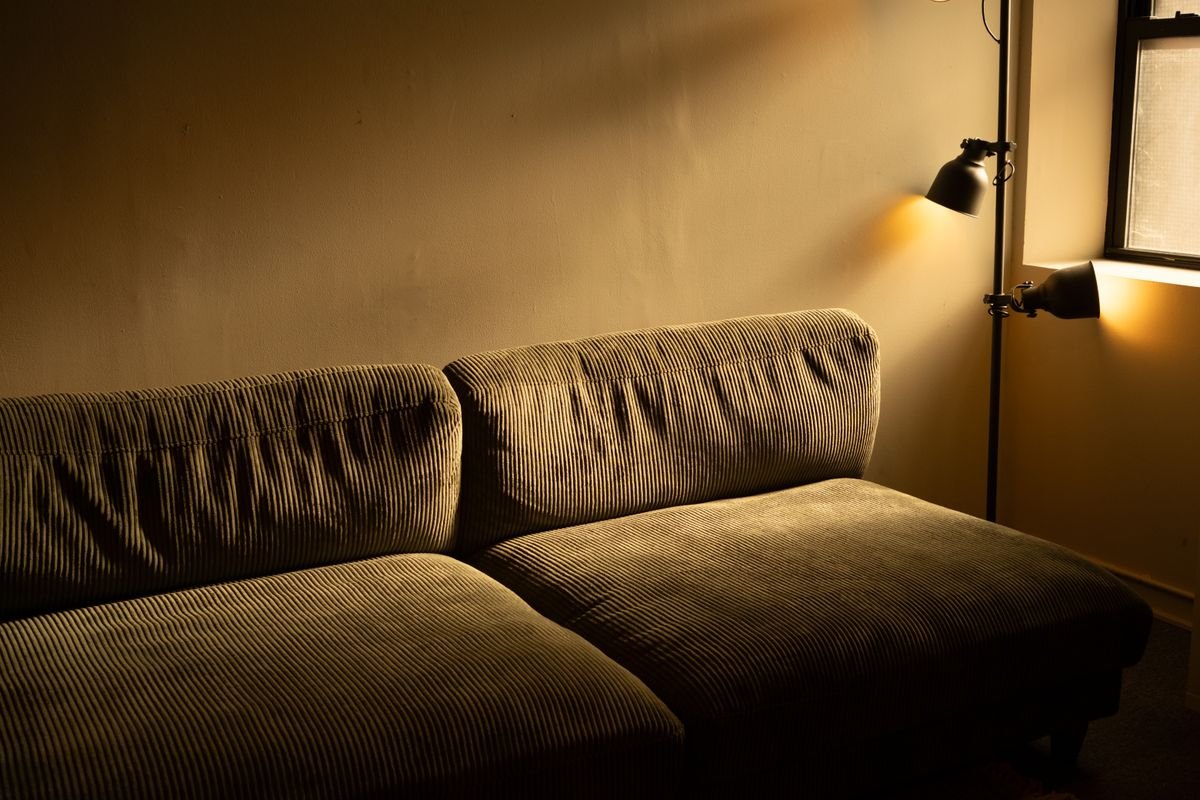
Fabric matters too. The same care guide says performance polyester resists moisture best, linen, cotton and velvet absorb it, and non-breathable faux leather can trap moisture between the cover and the foam. Treat that as a general tendency from one source.
Drying washing in the same room is a big contributor on its own, as heated airers and damp explains.
How to dry a damp sofa without ruining it
Keep heaters, hairdryers and bar fires well away from sofa foam and fabric, and never leave them running unattended near it. Dry with air and a dehumidifier, not with heat held up against the upholstery.
- Find and stop the source first. A drip, a wet wall or a humid room will re-wet it as fast as you dry it.
- Take the covers and cushions apart if they come off, and stand cushions on their edges so air reaches all sides.
- Pull the sofa away from the wall, a hand’s width or more, so air can reach the back.
- Dry the foam, not just the fabric. The retailer guide says a surface-only clean is not enough, and suggests waiting at least three to four hours before applying any product.
- Run a dehumidifier in the room with the door shut, and open a window briefly if the outside air is drier.
- Do not spray mould treatment onto a damp cushion. The same guide warns it dilutes the product and pushes moisture further in.
Aim to get wet items dry quickly. The EPA says it is important to dry water-damaged areas and items within 24-48 hours to prevent mould growth. That is a drying deadline for wet materials after a leak or spill, and not a mould timer, so do not panic if a slightly clammy sofa takes a day or two.
The same principles apply to a mattress, which is another foam item, as described in how to dry a damp mattress.
When to stop drying and replace it
The retailer guide gives three signs that replacement is the sensible option: the frame has softened, the foam stays damp or smells after proper drying, or mould comes back more than twice after proper treatment. Those are one source’s rules, but they match common sense: if you have dried it properly and it will not stay dry, the cause is still there or the foam is spoiled.
If the sofa is valuable, the EPA suggests you may wish to consult a specialist for expensive or sentimental items. For small spots of mould on removable covers, see mould on fabric.
A damp sofa is a symptom of the room, so dry the room and the sofa together
Measure the room, check the wall behind, press the cushion, and dry the foam properly. Do those four things and the question usually answers itself.
FAQ
Why does my sofa feel damp in winter?
Because it sits in cold, humid air or against a cold wall, and fabric takes up moisture from the air. Check the room’s humidity, pull the sofa a hand’s width from the wall and dry laundry elsewhere.
Why does my sofa feel damp but isn’t wet?
It may be cool rather than wet. Compare a cushion from the cold side with one from a warm room, press for three seconds and check for a musty smell. If it only feels cool, the room or the floor is cold, not the sofa.
Can a dehumidifier dry a damp sofa?
It helps, because it dries the air the sofa is sitting in, but it will not fix a leak or a cold wall. Use it with the sofa pulled out and the cushions on edge.
How do I stop a sofa smelling musty?
Dry it fully first, since a smell in foam means moisture has been held there. Keep the room’s humidity in check and the sofa clear of the wall. Spraying a perfume over a damp sofa only hides the problem.
Is it safe to sit on a damp sofa?
It is unpleasant and it will not dry while you sit on it. If it smells musty or you see mould, treat it before using it, and see a doctor if you have health concerns about mould, because that is outside what I can advise.

