
Last Updated on October 26, 2026 by Umar Farooq
Can a washing machine get mouldy? Yes: the rubber door seal, the detergent drawer and the drain filter are the usual places, because a washer is warm, wet, full of lint and almost never allowed to dry. A machine that spends all day cleaning things is a slightly odd place to find a mould colony, but it is exactly what most of them are.
I find this one funny in a grim sort of way. We assume anything full of water and detergent must be sterile. It is not. It is a sealed, damp box with a food supply, which is what mould asks for.
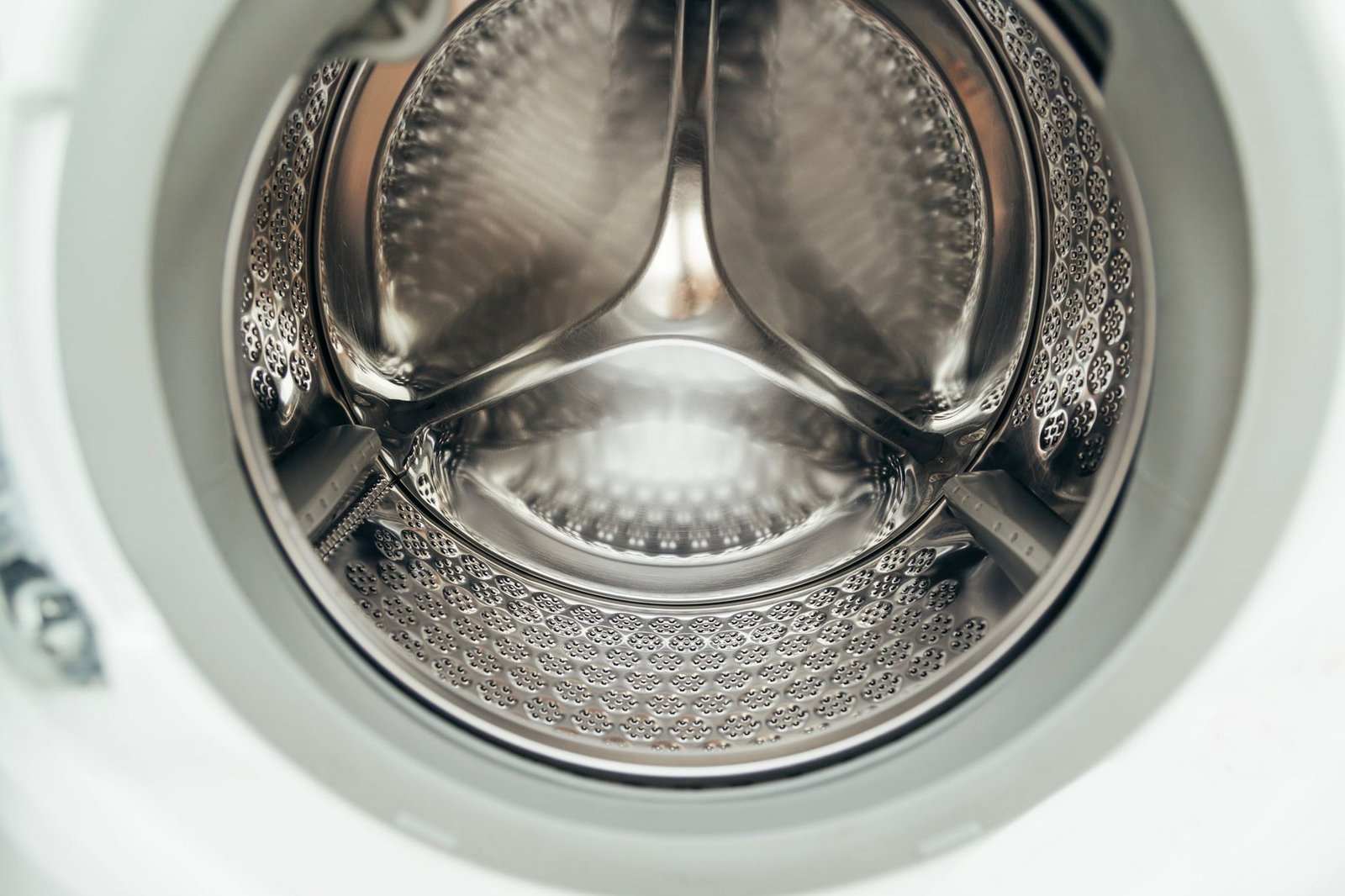
Why a machine full of soap still grows mould
Mould needs moisture and something organic to live on, and a washer supplies both on every cycle. Consumer Reports explains it plainly: mould spores ride in on your clothes, then meet leftover detergent, lint, hair and other organic residue, and lingering moisture does the rest. It also notes the problem is most often found on front-loading machines.
My own reading of why front-loaders suffer: the door seal is a rubber fold that holds a little water after every wash, and a closed door keeps that water there. Top-loaders have no such fold and a lid that is usually left up. That is reasoning, not a measurement, but it matches where people actually find the growth.
The EPA’s guide to mould makes the general point that controlling moisture is the way to control mould. A washer is just a very concentrated example of it.
The five spots to check, and what you will find
| Spot | What it looks like | What to do |
|---|---|---|
| Door seal (front-loaders) | Black or grey speckles in the folds, sometimes slimy | Pull the rubber back, wipe it clean, dry it |
| Detergent drawer | Dark patches in the corners, sticky residue | Remove the drawer, wash it in warm soapy water |
| Drawer recess | Dark film in the housing the drawer slides into | Wipe with a cloth on a stick or an old toothbrush |
| Drain pump filter | Grey sludge, a stale smell when opened | Empty and rinse it, following the manual |
| Drum and rear paddles | Slime or a musty film on the inner surface | Run a hot cleaning cycle (below) |
If you only check one, make it the seal. Fold it back all the way round. The spot you cannot see from the front is almost always the worst.

Leave the door open, and take wet washing out
The cheapest fix is the least dramatic. Consumer Reports’ advice for a machine that has been prone to mould is to dry the inside of the door and the rubber gasket after the last load of the day, and to leave the door open between loads so the machine can dry out. It adds one caveat I would repeat: if you have young children, think about whether an open washer door is safe in your house.
Two habits do most of the work:
- Take the washing out when the cycle ends. A damp load sitting in the drum is a second source of moisture on top of what the seal already holds.
- Pull the drawer out a few centimetres (about an inch) and leave the door ajar after the last wash of the day.
My opinion, for what it is worth: the self-clean or “tub clean” programme is a sensible monthly job, but it is not a substitute for wiping the seal. It treats the drum. The seal is where the damp lives.
Clean what is already growing
Never mix bleach with vinegar, ammonia or other cleaners. The mixture can release toxic gas. Use one product at a time, rinse between them, ventilate the room, and wear gloves. Check your machine’s manual before putting bleach or descaler through it.
- Wipe visible growth from the seal and drawer with a cloth and warm soapy water. Pull the seal back and clean the whole fold.
- Run the tub-clean programme if your machine has one. Consumer Reports suggests that if it does not, you can run the highest-temperature setting with a cup of bleach, but your manual has the final say on what the machine tolerates.
- Wash the drawer and filter by hand, then leave both to dry fully before putting them back.
- Rinse and dry the seal when you are done.
A cloth and gloves are enough for a washer. If the rubber seal is torn, pitted or the staining will not shift, replacing the seal is more sensible than scrubbing it indefinitely.
Does the room matter as much as the machine?
Somewhat. A washer in a damp utility room or garage has a harder time drying out, and the room is often the same place where clothes are drying and condensation forms. If the machine keeps getting mouldy despite the habits above, look at the room: see condensation in a utility room and a dehumidifier for a laundry room. Humidity is the background condition; the humidity levels that let mould grow are worth knowing.
And if the real symptom is laundry that comes out smelling of damp rather than a visibly dirty machine, why clothes smell damp after washing goes through the causes one by one.
Can a washing machine get mouldy? Only because it stays shut and damp
A washing machine can get mouldy, and nearly always at the seal, the drawer or the filter. Wipe the seal, take out wet laundry, leave the door open, and put a hot clean through monthly. None of that is clever. It is just drying a damp box that nobody thinks of as a damp box.
FAQ
Is mould in a washing machine harmful?
I cannot give medical advice, and the honest answer depends on the person. Mould in a washer can make clothes smell and can mark them. If anyone in the house has breathing problems or allergies and is bothered by it, speak to a doctor. For the machine itself, cleaning it and keeping it dry is the practical answer.
Why does my washing machine smell musty?
A musty smell usually comes from residue and damp trapped in the seal, drawer or filter, so check those five spots first. If the washing itself smells after a wash, the cause may be the load staying wet or too much detergent, not only the machine.
How often should I clean a washing machine?
Consumer Reports suggests running the tub-clean feature regularly, and a monthly hot clean is a sensible routine for most homes. Wipe the seal more often than that, ideally after the last wash of the day.
Should I leave the washing machine door open?
Yes, between loads, so the drum and seal can dry. The one exception Consumer Reports raises is a household with young children, where an open door can be a safety issue.
Do top-loading washers get mouldy too?
They can, particularly in the drawer area, under the agitator and in damp rooms, but front-loaders are the type most often affected because of the rubber door seal.

