
Last Updated on October 24, 2026 by Umar Farooq
Is it bad to dry clothes in the bedroom? Usually, yes: a full airer puts a lot of water into the one room where you then shut the door and breathe for eight hours. It is not a disaster for one load on one dry day, but as a habit it is the worst room in the house to choose.
I say that as someone who has parked an airer beside the bed more often than I would admit. It is convenient, it is warm, and the bedroom is where the washing already lives.
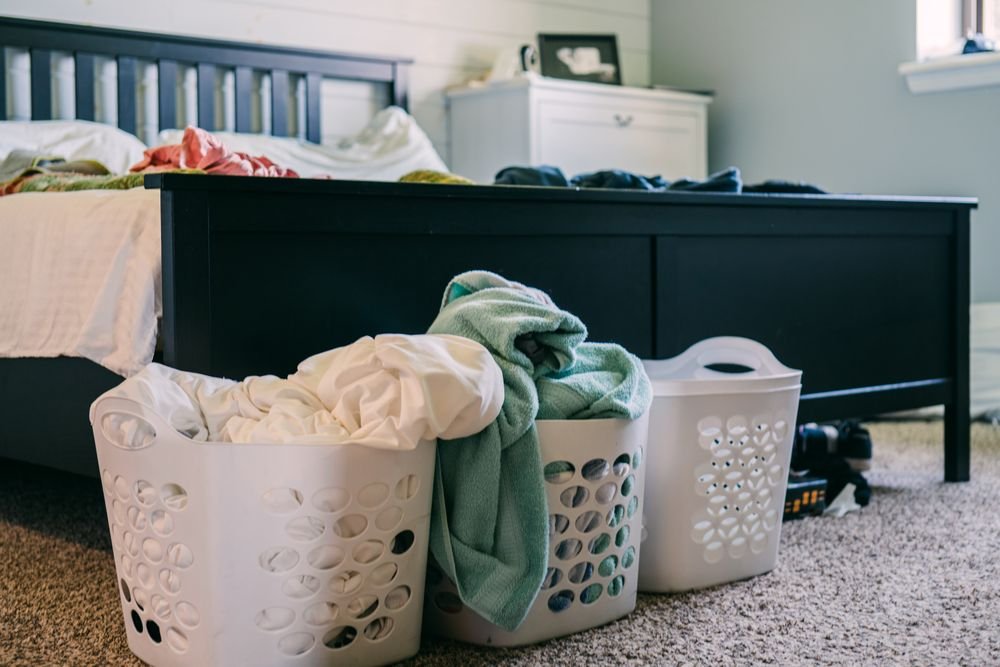
Why the bedroom is the wrong room for wet washing
Wet laundry does not dry so much as move: the water leaves the fabric and goes into the air. South Kesteven Council says the average UK household releases about 12 litres of moisture a day, and that homes drying clothes indoors can exceed 20 litres. That figure is for a whole home, not a bedroom, but it shows how much a drying habit adds to what you already produce by cooking, showering and breathing.
The bedroom has three features that make this worse. These are my reading of the mechanism, not a measured result from a study:
- It is small and usually shut. The moisture has less air to spread into, so the room reads high on a hygrometer sooner.
- You add to it all night. Sleeping people breathe out water vapour, so the airer and the sleeper are working on the same room at the same time.
- It is often the coldest room in the house. Heating is typically off or low overnight, and cold surfaces are where vapour turns back into water.
What the damp air does to the room
First you will see it on the glass. Fine droplets on the inside of a pane are vapour meeting a cold surface, and they are the early warning rather than the problem itself.
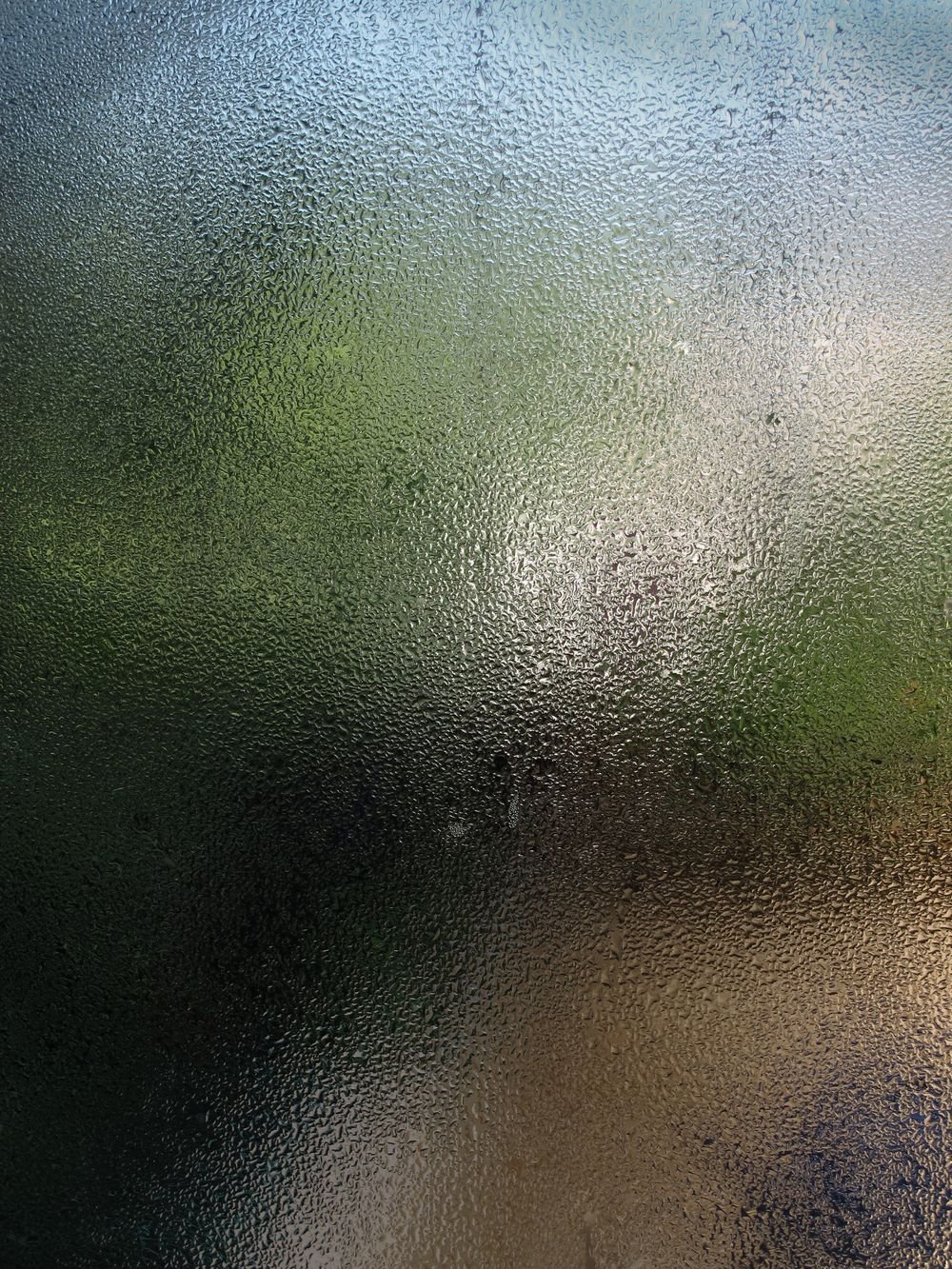
If the air stays damp and the water stays on a surface, mould becomes possible. The EPA’s position is that controlling indoor moisture will control the growth of indoor mould, and that indoor humidity should be kept below 60 per cent, ideally between 30 and 50 per cent. An airer in a closed bedroom pushes the wrong way on that target.
Where it shows up is predictable: window frames, the corner above the window, the wall behind the wardrobe and the back of the wardrobe itself, because those are the cold, still spots. If you already see a patch, the fix starts with the water, not the scrubbing, and the bedroom mould guide covers it.
I am not going to put a number on how fast this happens. It depends on the room, the weather, the load and the wall, and nobody has measured yours.
Is it bad to dry clothes in the bedroom if the conditions are right?
Less bad, not good. These four conditions change the odds, and the more of them you meet, the smaller the risk:
- A window open a crack, and the air outside drier than the air inside. On a cold dry day this removes vapour. On a damp drizzly one it just swaps one humid air for another, as opening windows and humidity explains.
- The bedroom door shut and the room unused. The point is to keep the moisture in one room that nobody sleeps in. If you then sleep there, you have lost the benefit.
- A dehumidifier running in the room. Which? notes that a dehumidifier speeds up drying and lowers the risk of damp and mould, and that you should keep windows closed while it runs so it is not pulling in damp outside air. That means conditions 1 and 3 pull against each other: pick one. The dehumidifier for drying clothes page covers the set-up.
- A short drying time. A single, well-spun load on a daytime airer that is out of the room by evening is far less of a problem than washing left hanging for two days.
My judgement: if you cannot meet at least two of those, move the washing.
Better places to dry, in the order I would try them
| Place | Why it works | The catch |
|---|---|---|
| Outdoors | Moisture leaves the house entirely | Weather, and winter air is often too damp to help |
| Bathroom with a working extractor fan, door shut | Tiled room, vapour is pulled outside | Needs a fan that actually extracts, not a bare window |
| Spare room, window cracked, door shut | Keeps the water away from where you sleep | Needs a room with no other job |
| Kitchen or hall with a window | Better than the bedroom for air movement | Spreads moisture to the rest of the house |
South Kesteven’s advice, if indoor drying is unavoidable, is to use a heated and well-ventilated room, and to keep wet washing off radiators. That page does not mention bedrooms, so the bedroom advice here is my own conclusion from the same logic, and the table is my judgement too.
For the full routine once you have chosen a room, I have written it out in how to dry clothes indoors without mould rather than repeat it here.
If the bedroom is your only option, do these four things
- Spin the load as hard as the label allows, so less water is left to evaporate.
- Put the airer by the window, not against an external wall, and keep the wardrobe door open so air can reach inside.
- Take the airer out of the room before you go to bed, even if only to the landing.
- Wipe the glass in the morning and check the corners. A hygrometer is cheap and tells you more than guessing.
For the wider picture of keeping that room dry, how to reduce humidity in a bedroom is the companion guide.
Dry it somewhere you do not sleep, and the problem mostly goes away
So, is it bad to dry clothes in the bedroom? Mostly, yes, though the clothes were never the problem. The bedroom is bad for drying because it is small, shut, cold and occupied all night. Move the airer to a room with an exit for the vapour and you have solved most of it for free. Keep it in the bedroom only as a short, daytime, window-cracked exception, and keep an eye on the glass.
FAQ
Is it unhealthy to dry clothes in your bedroom?
I will not make a health claim, because that is a medical question. What I can say is that it raises moisture in the room, and damp rooms are where condensation and mould become possible, which is why guidance on damp points to controlling moisture.
Can I dry clothes in the bedroom with a dehumidifier?
It helps, because the unit removes the water the clothes release. Keep the door and windows shut while it runs, and empty the tank, or the water simply moves around the room.
Does drying clothes in the bedroom cause mould?
It can contribute, because it adds moisture that condenses on cold surfaces. It does not cause mould by itself: mould needs a surface that stays damp for a while, which is why wiping condensation and keeping air moving matters.
Is it better to dry clothes in the bathroom or bedroom?
The bathroom, if it has an extractor fan that works and you keep the door shut. A bathroom with only a small window and no fan is a closer call, and I would then pick a spare room with the window open a crack.
Should I open a window when drying clothes indoors?
Only if the air outside is drier than the air inside. On a damp day the window brings in humid air, and a fan or dehumidifier does a better job.

