
Last Updated on October 24, 2026 by Umar Farooq
If the house feels damp but hygrometer says normal, the likeliest answer is that the number is true and incomplete: it describes the air at one spot, while the dampness is on a cold wall, in a carpet or in a cupboard somewhere else. A hygrometer measures what is touching its sensor and nothing more.
I have stood in more than one clammy hallway watching a perfectly healthy 48% on the display. The display was not lying to me. It was answering a different question from the one my nose was asking.

House feels damp but hygrometer says normal: six ways it happens
1. The sensor is in the wrong place. Mid-room air is the driest, best-mixed air in the house. Corners, outside walls and the space behind a wardrobe are colder and stiller. Where the sensor sits is covered in where to put a hygrometer, so I will not repeat it.
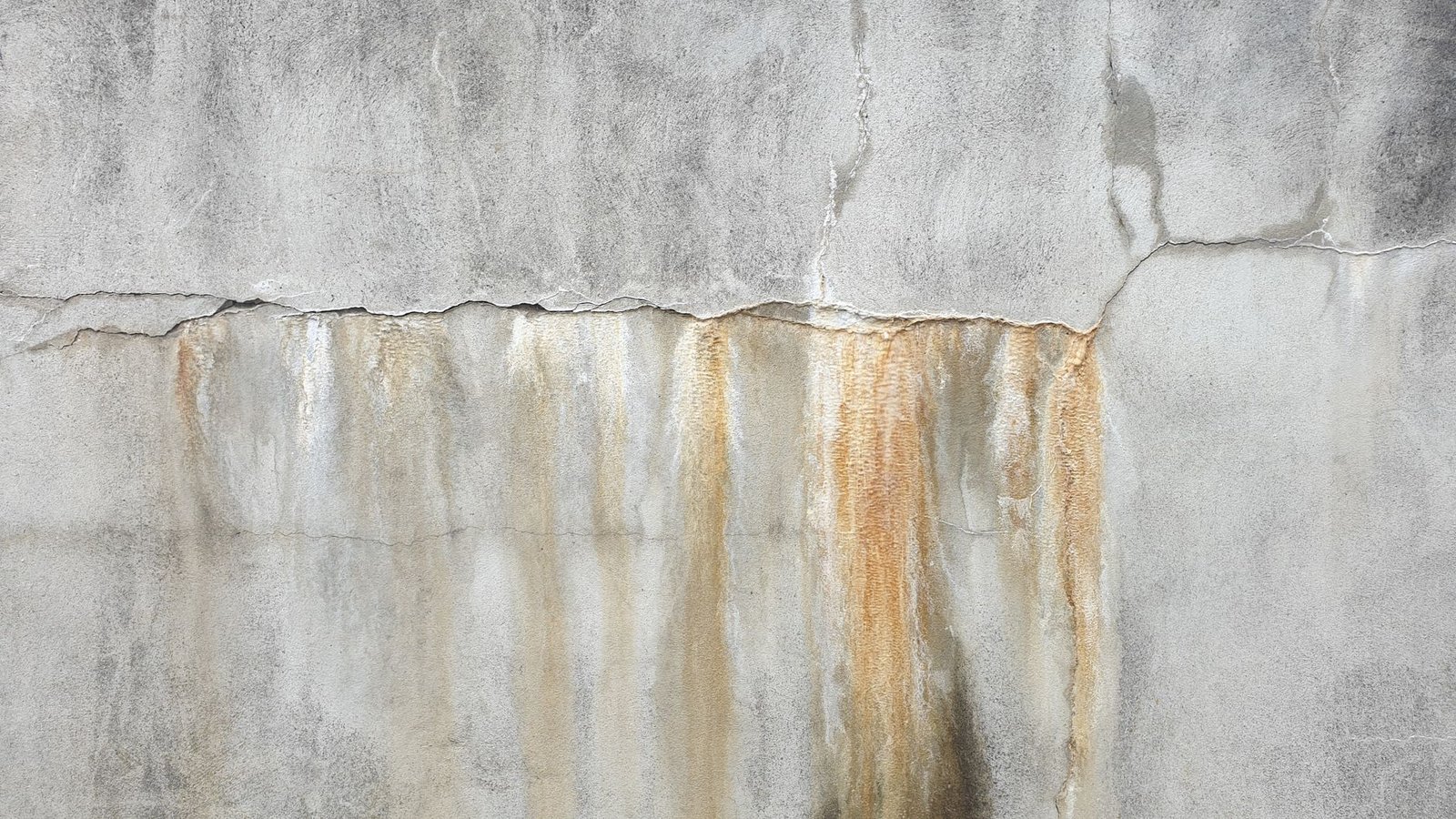
2. The cold surface is wetter than the air. Relative humidity depends on temperature, so the air next to a cold wall is effectively more humid than the air in the room. The UK government’s damp guidance says condensation forms when moisture generated inside the home cools and condenses onto colder parts of the building, and lists window frames, corners and the backs of furniture as typical places. A central reading of 50% is not a statement about any of them. The same idea explains why mould can grow at a room reading well below 70%.
3. The sensor is wrong. A cheap unit can be several points out, and the error is not always the same at every level. That matters less for a 48% that should be 55% than people fear, but it matters if you were using the number to rule damp out. See how accurate hygrometers are.
4. You took the reading at the wrong time. A hygrometer shows a snapshot. If you opened windows an hour ago, or the heating has just been on, the air reads dry while carpets, plaster and soft furnishings are still giving moisture back. The same room can read differently at 7 a.m. and at 3 p.m.
5. The smell is coming from something damp, not from damp air. Wet towels, a laundry basket, a damp underlay, cardboard or a dry drain trap smell stale at any room humidity. I cannot tell you from a smell alone which of these you have, and I would not trust anyone who says they can.
6. The problem is local and the reading is an average. A shower room, a north bedroom, a cellar corner or a cupboard on an external wall can sit in its own weather. One number for the house hides that.
Why “feels damp” deserves more respect than a display
People dismiss the feeling because the number is easier to argue with. I think that is backwards. A body that says “clammy” is reporting temperature, still air and cold surfaces together, and a hygrometer reports none of those.
Still air near a cold wall feels colder and more clammy than the same humidity in a warm, moving room. That is a comfort effect, not proof of a leak, and I have no measurement of how large it is for any given house. What it does tell you is where to look: the feeling is usually strongest near the spot that is different.
Check the sensor first, because it is the cheapest suspect
Do this before you move a single piece of furniture.
- Compare it with a second unit. Put both on the same shelf for an hour. If they disagree by more than a few points, one of them is wrong and you do not yet have a reading.
- Trust neither until you know which is off. A pair that disagree has told you one is wrong, not which one; a salt-bag check settles it.
- Let it settle. After moving a sensor, give it 30 to 60 minutes before you believe the number.
If the sensor passes, the number is probably fine, and the question becomes where it is not representative.
Take the hygrometer to the place that feels damp
Now work through the house in this order. Each step takes minutes.
| Step | What to do | What it tells you |
|---|---|---|
| 1. Sensor | Compare with a second unit | Whether the number can be trusted |
| 2. Cold spot | Move the sensor to the feeling’s source, within 30 cm (1 ft) of the wall or into the cupboard, and leave it overnight | The conditions the damp spot actually lives in |
| 3. Surfaces | Back of your hand on external walls, corners, window frames and glass | Cold surfaces, and any wetness on them |
| 4. Smell | Smell towels, carpet edges, cupboard floors and drains separately | Which thing is carrying the smell |
| 5. Stains and leaks | Look under sinks, along skirting boards, and on the ceiling below any bathroom | A leak, which a hygrometer cannot find |
The cold-spot reading is the one that changes the picture. EPA advises keeping indoor humidity below 60% and ideally between 30 and 50%. If the room reads 48% and the cupboard against the outside wall reads 65%, you have found the damp part of your house. Only the sensor’s location changed.
Step 5 is the one people skip because it is dull. A slow leak can leave the air reading fine and a wall wet for months.
If a stain or wet patch is near a light fitting, socket or consumer unit, do not touch it or test it with a damp cloth. Switch the circuit off at the consumer unit first and have an electrician check it.
Match what you found to what to do
| What you found | What to do |
|---|---|
| Cold wall or window wet, room air normal | Warm the room more evenly, move furniture 5 cm (2 in) off the wall, wipe condensation off in the morning |
| Cupboard or corner reads much higher than the room | Improve air movement there, empty and air it, and check the wall behind it |
| Damp-smelling fabric or carpet | Wash or dry it; if it will not dry or smells worst at the underside, lift a corner and look |
| Smell strongest at a drain | Run the tap for a minute to refill the trap and see if it fades |
| Stain, bubbling paint or a patch that returns | Treat it as a possible leak and get it looked at |
| Nothing found, smell persists | Follow the search order in musty smell but no visible mould |
If you are chasing the smell itself rather than the number, how to get rid of damp smell covers the cleaning side.
A normal reading means the air is fine, not that the house is
Treat the hygrometer as a witness to one spot. When it says normal and the house still feels damp, believe both: the air in the middle of the room is fine, and something elsewhere is cold, wet or stale. Check the sensor, carry it to the place that feels worst, then feel the surfaces and follow the smell. If you find a wet wall, a damp cupboard or a stain, that is the answer. If you find nothing after all five steps, ask a damp surveyor with a moisture meter, because at that point the house has told you all it can.
FAQ
Can a house feel damp even when humidity is normal?
Yes. Relative humidity is measured in the air at one point, while the feeling of damp comes from cold surfaces, still air, damp fabrics and smell. A room can read 45% in the centre and still be clammy near a cold outside wall.
Why does my hygrometer say 50% when the room feels humid?
Common reasons are that the sensor is in the best-mixed part of the room, that it was read just after ventilating, or that it is a few points out. Check it against a second unit and move it to the spot that feels worst.
Where is the damp if there are no visible signs?
Look at cold external walls, corners, behind furniture, under carpets, inside cupboards and below sinks and bathrooms. Hidden moisture often shows up as a smell or a cold patch before a stain.
What humidity is normal for a house?
EPA advises indoor humidity below 60%, ideally between 30 and 50%. That is a guide for the air, and it does not rule out wet cold surfaces.
Should I buy a better hygrometer if mine seems wrong?
Compare yours with a second unit first. A pair of cheap units that agree is more useful than one expensive unit you have never checked, and neither can find a leak.

