
Last Updated on October 25, 2026 by Umar Farooq
Will a dehumidifier dry out damp walls? Yes, if the moisture is condensation or the wall got wet once and the source is now fixed; no, if water is still getting into the wall, because the machine only dries the air and the wall will simply re-wet. Drier air speeds up drying, but it never stops the supply.
I have watched people run a dehumidifier for a month against a wall with a leaking pipe behind it and conclude the machine was rubbish. It was doing its job perfectly. It was just being asked to bail out a boat while someone kept drilling holes in it.
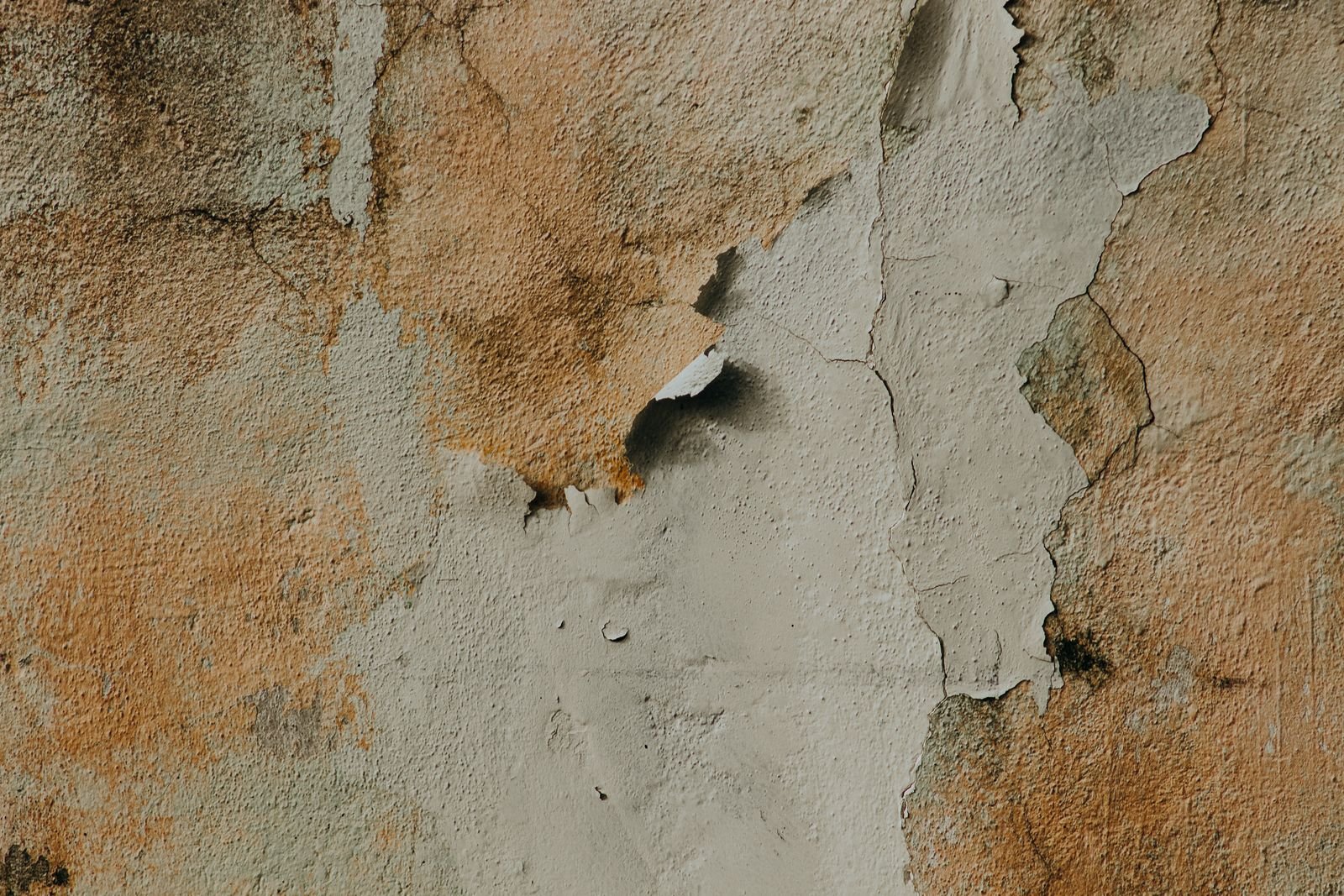
Four damp walls, and what a dehumidifier does for each
| Case | Will a dehumidifier help? | What actually fixes it |
|---|---|---|
| Condensation on a cold wall | Yes, it lowers the humidity that is condensing | Dry the air, heat and ventilate steadily |
| Wall soaked once by a leak that is now fixed | Yes, it speeds up drying | Fix the source, then dry it out |
| Wall that keeps getting rained on or leaked into | Only dries the surface, the damp returns | Stop the water: gutters, pointing, pipes, seals |
| Wall in contact with wet ground | Slows the surface dampness, does not stop the supply | Deal with the ground moisture itself |
If you cannot tell which row you are in, rising, penetrating and condensation damp shows how to tell them apart, and how to tell if a wall is damp covers the checks. Doing that first is the cheapest step in this whole job.
How a wall dries: slowly, from the surface
A damp wall dries from its face. Moisture inside moves towards the surface and evaporates into the room, and a dehumidifier keeps the room air hungry enough to take it. That is why drying a wall is a matter of days to weeks rather than hours, and why thick masonry is slower than a thin plasterboard partition.
I can’t give you a clean figure. Nobody publishes a measured drying time for a household dehumidifier on a damp wall, and the answer depends on thickness, material, temperature and how wet it got. What there is, is a deadline for the quick cases: NDSU Extension says damp wallboard must be dried within a couple of days to prevent mould, and EPA says water-damaged areas should be dried within 24 to 48 hours. That is a drying deadline, not a mould countdown.
Does a dehumidifier pull water out of the wall?
Not in the way the myth suggests. Martin Holladay, then editor of Green Building Advisor, answered a reader worried that a dehumidifier would draw moisture through a basement wall. He said it removes moisture from the room air and does not change air leakage through the wall, and that drier air increases evaporation from a damp wall while still leaving the room drier overall. The same answer makes the point that fixing the entry of moisture matters more than the machine.
So a dehumidifier will not make a wall wetter. It also won’t make a wall that is continuously fed with water dry. It simply keeps the room side of the wall as dry as it can.
How to set it up so the wall actually dries
- Fix the source first. A wall that is dry for a week and wet again after you stop the machine is telling you the water is still coming in.
- Keep the machine in the same room, with the door shut and the windows closed. Where to put a dehumidifier covers the clearances.
- Heat the room gently. Warm air holds more water, so the wall dries faster. This is a general principle, not a published figure.
- Check with a damp meter, not your eyes. How to use a damp meter explains readings. Compare against a wall you know is dry, and track the same spot over days.
- Do not chase a very low humidity. Aim for EPA’s band, keeping the room below 60% and ideally between 30 and 50%.
What the wall looks like as it dries
As water leaves a wall it can carry dissolved salts to the surface, which dry as a white powder. That is a sign the wall is drying, not a new problem, and it is not mould. White mould vs efflorescence shows how to tell them apart. Paint and wallpaper that blistered while wet will not flatten again, so expect to redecorate afterwards.
Will a dehumidifier dry out damp walls? Once the water stops, and it shortens the wait
It will if the water has stopped coming in, and it helps keep condensation off them for good. If the wall is still wet after a few weeks of steady running, stop treating the air and go looking for the water.
FAQ
How long does it take a dehumidifier to dry a damp wall?
It depends on the material, the thickness and how wet it got, and no one publishes a measured figure. A thin plasterboard wall can dry in days, while thick masonry takes much longer. Track a damp meter reading over days rather than guessing.
Will a dehumidifier stop damp coming through a wall?
No. It dries the air in the room, not the water arriving from outside. Rain penetration, leaking pipes or ground contact all need the source dealt with.
Can a dehumidifier make damp walls worse?
Not by itself. Green Building Advisor’s editor explained that it does not pull moisture through the wall, and drier room air increases evaporation from the surface. The wall may look worse briefly as salts surface.
Should I leave a dehumidifier running all day against a damp wall?
Run it until the readings stop falling and the humidity holds steady, then reduce it. Keep the room below 60%, ideally 30 to 50%, and do not push it far below that.
Is the white powder on my wall mould?
Usually not. It is typically salt deposited as the wall dries, though a fuzzy or coloured growth is a different matter and means the wall has stayed wet for a while.

