
Last Updated on October 24, 2026 by Umar Farooq
How to tell if a wall is damp: check whether it is wet or merely cold by looking for stains, tide marks and salts, pressing a hand against it, taping foil over it for a day, and comparing its surface temperature with the room’s dew point. A cold wall feels clammy and is fine. A damp wall has water in it, and the two need opposite fixes.
Most guides hand you a list of signs and leave you to guess. I would rather give you an order: cheapest and most telling first, and stop the moment one step names the water.
How to tell if a wall is damp: five tests in order
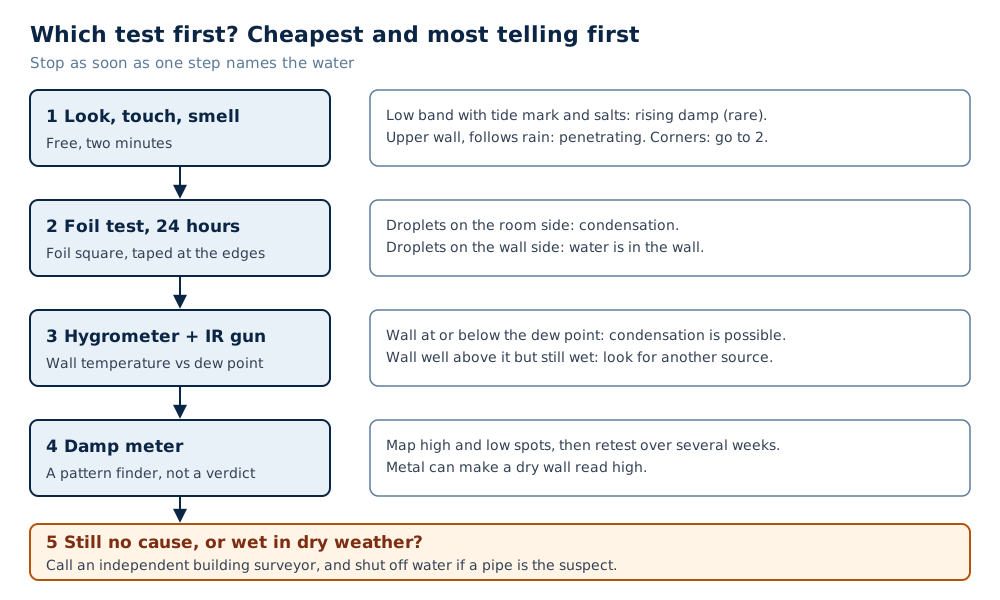
- Look, touch, smell. Free, two minutes, and it decides which of the rest you need.
- Foil test. Tells condensation from water inside the wall.
- Hygrometer and infrared thermometer. Checks whether the wall is cold enough to collect water from the room air.
- Damp meter. Maps where it is wettest. It is a pattern finder, not a verdict.
- Surveyor. For when the first four do not name a cause.
I have left the detail of each test to the pages that already own it, and I link them below. What is new here is the order and the decision at the end.
Is the wall damp, or just cold?
A cold wall and a damp wall feel alike under your palm, which is why people misread them. The difference is water. Cold, dry plaster feels cool and stays the same colour. Damp plaster feels cool and clammy, may darken, and can leave your hand slightly moist or powdery.
The GOV.UK guidance on damp and mould in the home lists four kinds of damp: condensation, penetrating, rising and traumatic (plumbing or similar leaks). It calls condensation the most common. So a cold wall in winter with a mould speckle is more likely the first than the other three, but you check rather than assume.
Step 1: read the wall before you touch a gadget
Stand back and note where the problem sits, because the location is half the answer.
- Tide marks and white salts in a rough band low on a ground-floor wall point towards ground moisture. RICS says “rising damp” is often misused and misdiagnosed, and that failure of an original damp-proof course is extremely rare, so treat this as a reason to investigate, not a diagnosis.
- Irregular stains on an upper wall or ceiling that darken after heavy rain suggest water getting in from outside.
- Dark speckle in corners, on outside walls and behind wardrobes, strongest in winter, is the classic condensation pattern. RICS says condensation mould shows up around windows, on external walls and on ceilings near them.
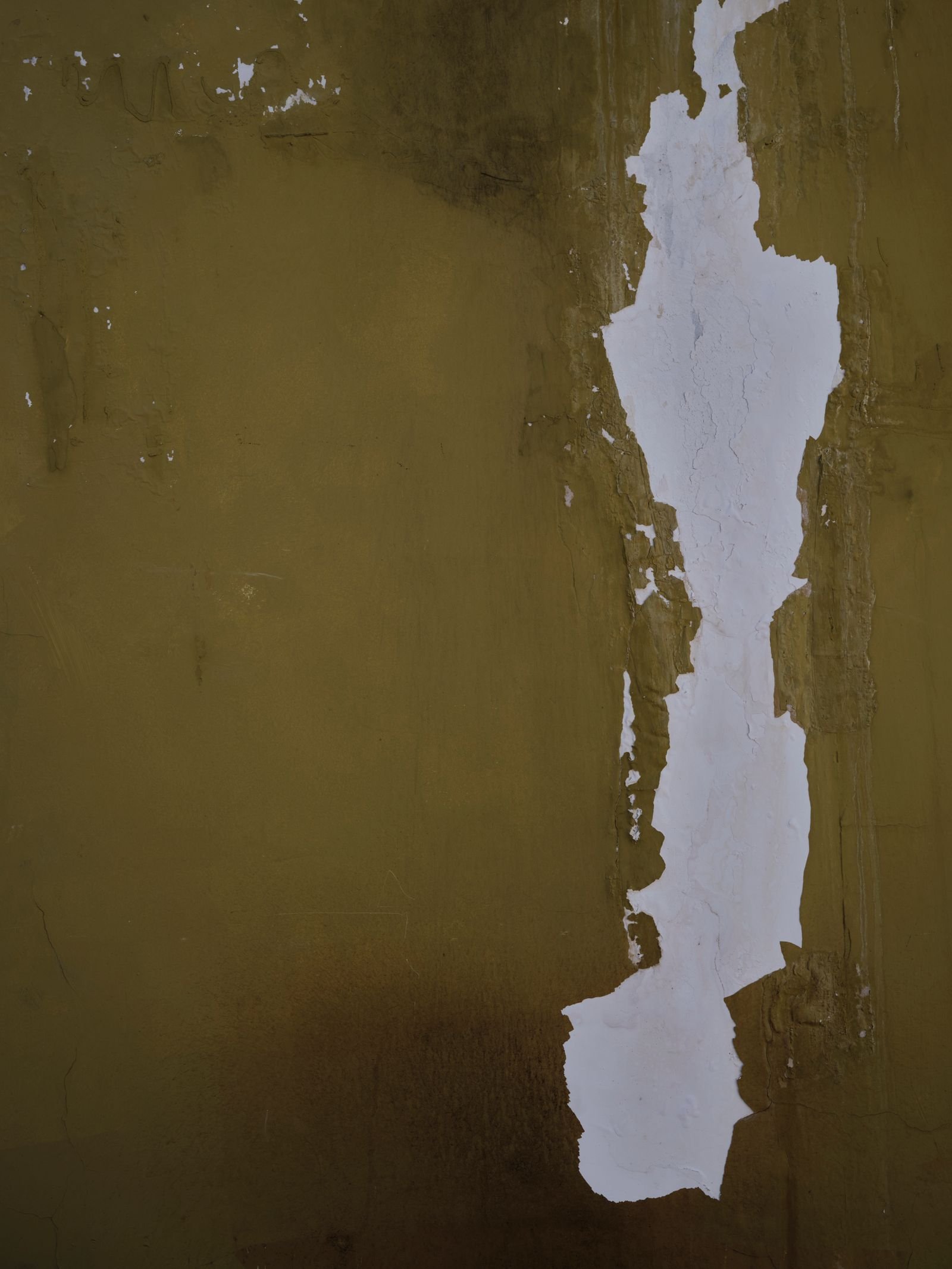
- Peeling paint, bubbling plaster or lifting wallpaper tell you the wall has been wet. They do not tell you why.
- A musty smell that stays after you air the room means moisture somewhere. Follow it to where it is strongest.
Then press the back of your hand on the wall and on a plain patch a metre away. A patch that feels distinctly colder is worth a thermometer in step 3, and how to find cold spots on walls covers the hand method in full.
If the wall is wet near a socket, switch, light fitting or a bulging ceiling, switch off that circuit at the consumer unit before you touch or tape anything there, and have an electrician look at it. Do not poke a damp ceiling that is sagging.
Step 2: tape foil over it and wait a day
Tape a square of kitchen foil, edges sealed, over the suspect patch and leave it 24 hours. Droplets on the room-facing side mean the wall is cold and the air is damp: condensation. Droplets or darkening on the wall-facing side mean the moisture is coming out of the wall. The full method, and its limits, is in condensation on walls and ceilings, so I will not repeat it.
One caveat I would add: a single dry foil square on a wall that is damp only after rain proves little. Repeat it in wet weather before you believe a clean result.
Step 3: compare the wall’s temperature with the dew point
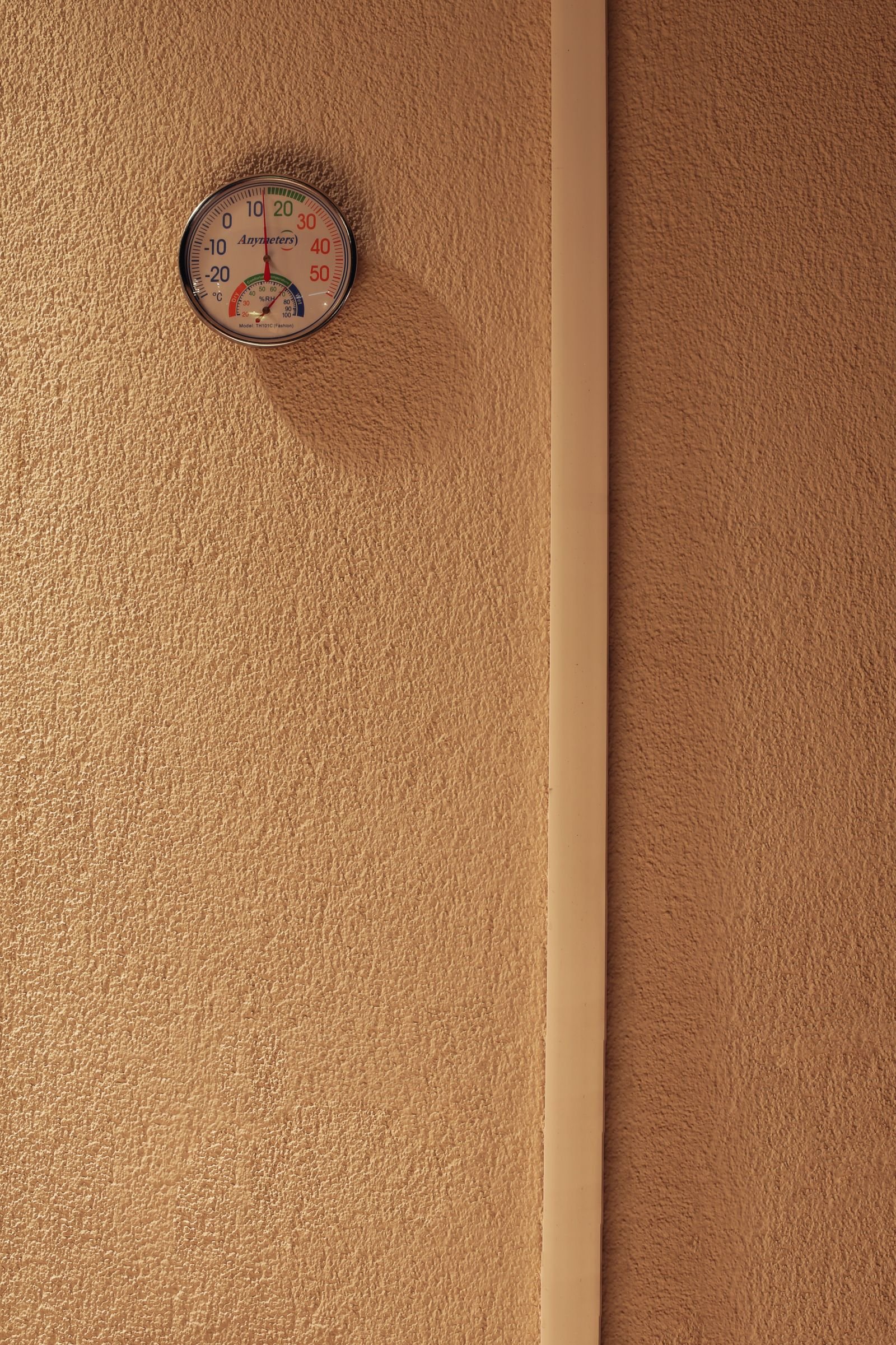
This is the test most guides skip, and it is the one that separates “cold and at risk” from “wet from somewhere else”. You need a hygrometer for the room’s temperature and humidity, and an infrared thermometer for the wall.
Water condenses on any surface at or below the air’s dew point. At 20°C (68°F) room air, the dew point works out roughly like this. These are my own rounded figures from the standard Magnus formula, not a published table.
| Room humidity at 20°C (68°F) | Dew point | Wall colder than this collects water |
|---|---|---|
| 50% | about 9°C (48°F) | below 9°C |
| 60% | about 12°C (54°F) | below 12°C |
| 70% | about 14°C (57°F) | below 14°C |
Read the room, then scan the wall, then compare. If the damp patch is at or below the dew point, condensation is a strong suspect. If the wall is comfortably above it and still wet, something else is feeding it, so go on. Use the thermometer as a comparer between two spots on the same painted wall, because a cheap one is shaky on gloss tiles and metal.
A damp meter finds the pattern, and metal can fool it
A pin or pinless damp meter is useful for mapping, which is the job it is good at. It is not good at telling you what kind of damp you have. RICS puts it bluntly: be wary of any surveyor or specialist who uses only a damp meter to diagnose the source, because meters are accurate in timber but can read high on other conductive materials.
On a plastered brick wall the practical rule is the same as for foil: take readings across a grid, note the highest, and re-test on a different day. How to use a damp meter covers technique. A high number beside a socket or a metal bead is a false alarm until proven otherwise.
Which cause does your result point to?
| What you found | Most likely cause | Next move |
|---|---|---|
| Wet on room side of foil, wall below dew point, corners and outside walls | Condensation | Lower humidity, raise wall temperature |
| Band low on ground-floor wall, tide mark, salts, steady in all weather | Ground moisture (“rising”) | Check outside ground levels, then a surveyor |
| Irregular patch high up that tracks rain | Penetrating damp | Look for gutter, roof, render or window defects |
| Wet in dry weather, near pipes, a bath or a radiator, getting worse | Plumbing leak | Isolate the water and call a plumber |
| Mixed signs, or any of the above plus mould | Possibly more than one | Run the checks in the next paragraph, then a surveyor |
The wall can easily have two causes, and mould that follows condensation can sit on top of a slow leak. The leak or condensation checks help with mould, and the three types of damp compared goes further on the first three. My own rule of thumb is that damp which gets worse in dry weather has a water source inside the building. That is judgement, not a published test.
When to call a surveyor, and what to ask for
Call one when the wall stays wet in dry weather, the foil comes up wet on the wall side, the damp spreads, or you cannot name the water after step 4. RICS recommends a specialist for a significant problem and says RICS membership alone does not mean someone is experienced in damp and mould, so look for a building surveyor with building pathology experience and ask them to explain their diagnosis rather than quote a treatment. If you rent, the council’s overview of damp types and signs is a reasonable thing to show a landlord, and you should report the damp in writing.
Notice what I have not recommended: injecting, tanking or buying a treatment before the cause has a name.
A wall is only damp once you can name the water
Cold, dry walls are common and harmless. A wall is damp when there is a source you can point at: room air meeting a cold surface, rain through a defect, ground water, or a pipe. Work down the five steps, stop when one names it, and fix that before you paint or wipe anything.
FAQ
How can I tell if a wall is damp without a meter?
Look for stains, tide marks, salts and peeling, press the back of your hand against it and against a dry patch, smell it, then tape foil over it for 24 hours. Add a hygrometer and infrared thermometer to check the wall against the dew point. None of that needs a meter.
Does a cold wall mean it is damp?
No. A wall can be cold and dry. But a cold wall is where condensation forms, so it may become damp. Compare its temperature with the dew point of the room air.
Can a damp meter be wrong?
Yes. RICS notes meters are accurate for timber but can read high on other conductive materials. Metal beads and foil-backed board can push a dry wall’s reading up, so use it to map patterns and retest.
How do I tell condensation from rising damp?
Condensation shows in corners, on outside walls and behind furniture, worst in winter, with droplets on the room side of a foil test. Ground moisture sits as a low band with a tide mark and salts, stays steady in all weather and appears on ground-floor walls only.
Can a wall be damp on the inside only?
Yes, if condensation is the cause. The wall surface is wet because the air is damp and the wall is cold, not because water is in the masonry. That is why the foil and dew point steps come before any treatment.

