
Last Updated on October 25, 2026 by Umar Farooq
Why ventilation is important in a house: it removes the moisture and stale air you create every day, so you avoid condensation and mould, keep fuel-burning appliances working safely, protect timber under the floor, and stop indoor pollutants building up. Without it a house slowly turns into a damp, still box.
Ventilation has an image problem. It sounds like draughts, heating bills and a coat indoors. It is closer to a drain: you do not notice it until it is blocked.
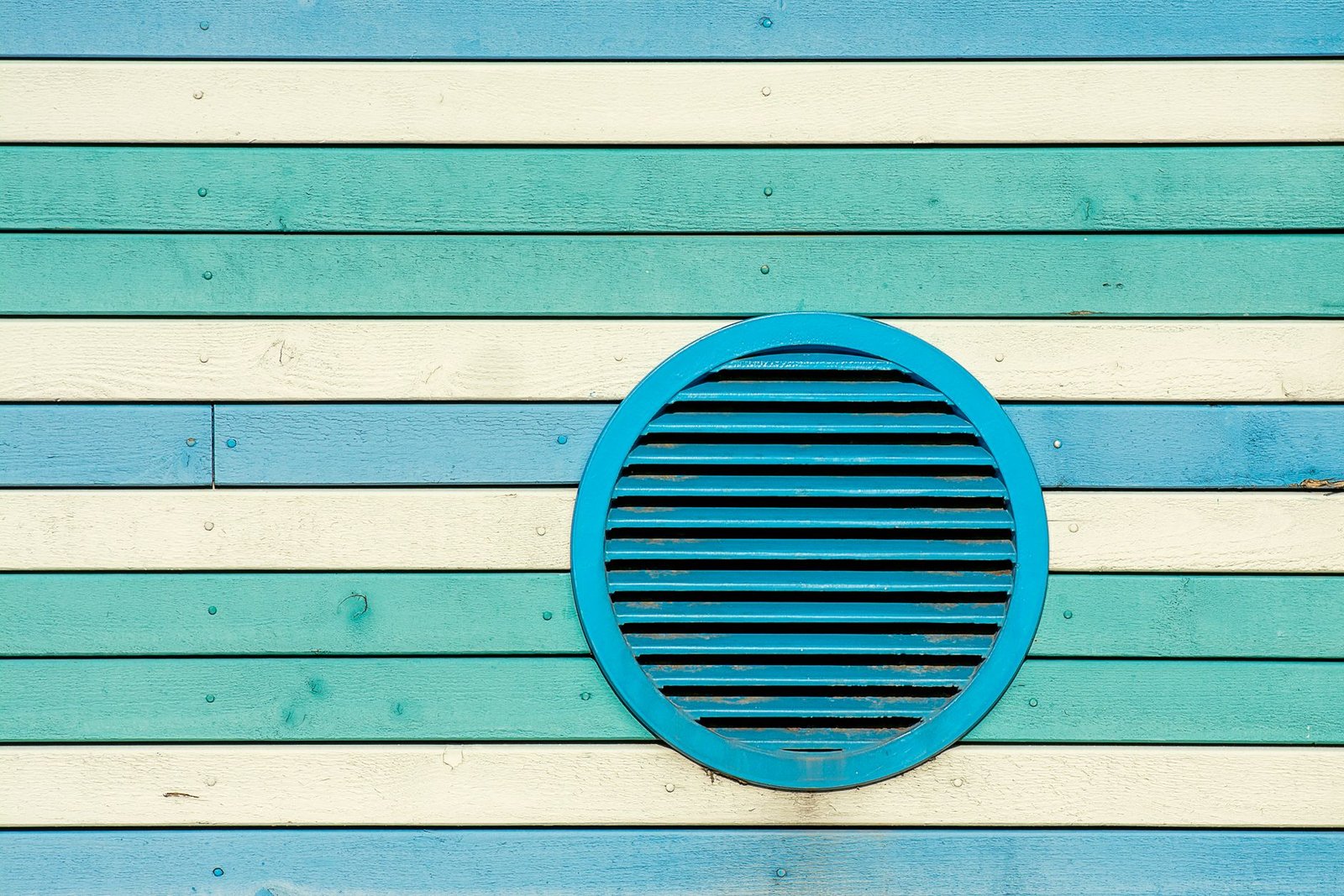
Reason 1: daily moisture has to go somewhere
People and homes put a lot of water into the air: breathing, cooking, showering, washing and drying clothes. If the air is never replaced, the water stays and settles on the coldest surfaces.
That is condensation, and condensation is the front door for damp and mould. The Green Age’s guide says poor airflow can cause damp and mould and that adding some vents greatly reduces it in most homes. For the size of the daily load, see how much moisture a household produces.
The EPA’s target is a simple one: indoor humidity below 60 percent, ideally 30 to 50 percent, and it adds that you should run exhaust fans or open windows when cooking and showering.
Reason 2: fires and boilers need air to burn properly
Never block, cover or seal a vent that serves a gas, oil or solid-fuel appliance. The Green Age notes that blocked vents can cause older open-flue boilers and gas fires to produce carbon monoxide, which can be lethal. Fit a working carbon monoxide alarm and have appliances serviced by a registered engineer.
This is the reason people forget, and it is the one with the worst consequences. A fuel-burning appliance takes its air from the room or through a dedicated vent. Block that supply and it can burn badly. The same source points out that extractor fans do not reliably replace a boiler’s permanent air supply.
Reason 3: timber under the floor needs moving air
Houses with a suspended timber ground floor have a void beneath it, and the air bricks in the outside wall ventilate it. The Green Age says homes with suspended timber floors need ground-level vents to stop timber rotting.
If those vents are buried under soil, a raised patio or a coat of paint, the void goes still and damp. What air bricks are explains what to check and why you do not cover them.
Reason 4: pollutants accumulate in still air
Cleaning products, cooking fumes, paints and the moisture itself all end up in the air. The EPA’s introduction to indoor air quality puts it directly: if too little outdoor air enters, pollutants can accumulate, and it describes the air exchange rate as how fast outdoor air replaces indoor air.
I will not make health claims about specific levels here. If you have breathing problems and think the air in your home is to blame, talk to your doctor.
Tighter houses need ventilation on purpose
An old leaky house gets accidental ventilation through gaps. A modern, well-sealed one does not, so it needs vents, fans or a mechanical system by design. That is why air bricks and trickle vents exist. The measured side of this is in air changes per hour in a house.
Ventilation is not the same as draughts
Some people close vents because they feel a draught. The Green Age notes that controlled ventilation is different from uncontrolled draughts: one is a deliberate, small and steady flow where you need it, the other is air leaking through cracks wherever the building lets it.
That is the practical point. You can seal the draughts and keep the ventilation, and a house that does that is both warmer and drier than one that does the opposite. If you are not sure whether yours is working, signs of poor ventilation in a house lists the symptoms and how to check house ventilation the tests.
Why ventilation is important in a house: it removes what living makes every day
That is why ventilation is important in a house: it is the only thing that removes the water, fumes and stale air that living creates. Keep the vents clear, run the fans when you shower and cook, and leave gas appliance vents strictly alone.
FAQ
Why is ventilation important in a house?
It clears moisture and stale air, which prevents condensation, damp and mould, keeps fuel-burning appliances supplied with air, protects timber floors and stops pollutants building up.
Can a house have too little ventilation?
Yes, especially a well-sealed modern one. Signs include daily condensation, a musty smell and humidity above 60%. Give it vents, extractor fans or both.
Is ventilation the same as opening windows?
Opening windows is one form of it. Whole-house ventilation also uses trickle vents, air bricks, extractor fans and sometimes a mechanical system running all the time.
Does ventilation make a house colder?
Some heat is lost, because warm air leaves. That is the cost of fresh air, and a small steady flow is a deliberate trade, unlike draughts that arrive wherever the building leaks. I have not measured the difference for any particular house.
Do I need ventilation if I have a dehumidifier?
Yes. A dehumidifier lowers moisture but does not bring fresh air in or supply fuel-burning appliances. The two do different jobs.

