
Last Updated on October 25, 2026 by Umar Farooq
How to check house ventilation: find every vent and fan, test that each one actually moves air, log your humidity for a week, and call a professional for anything that burns gas. You need a sheet of toilet tissue, a hygrometer and about half an hour.
Most houses have ventilation that exists on paper and not in practice. The fan is there, the trickle vent is there, and one is clogged while the other has been painted shut. The check is mostly about finding that out.
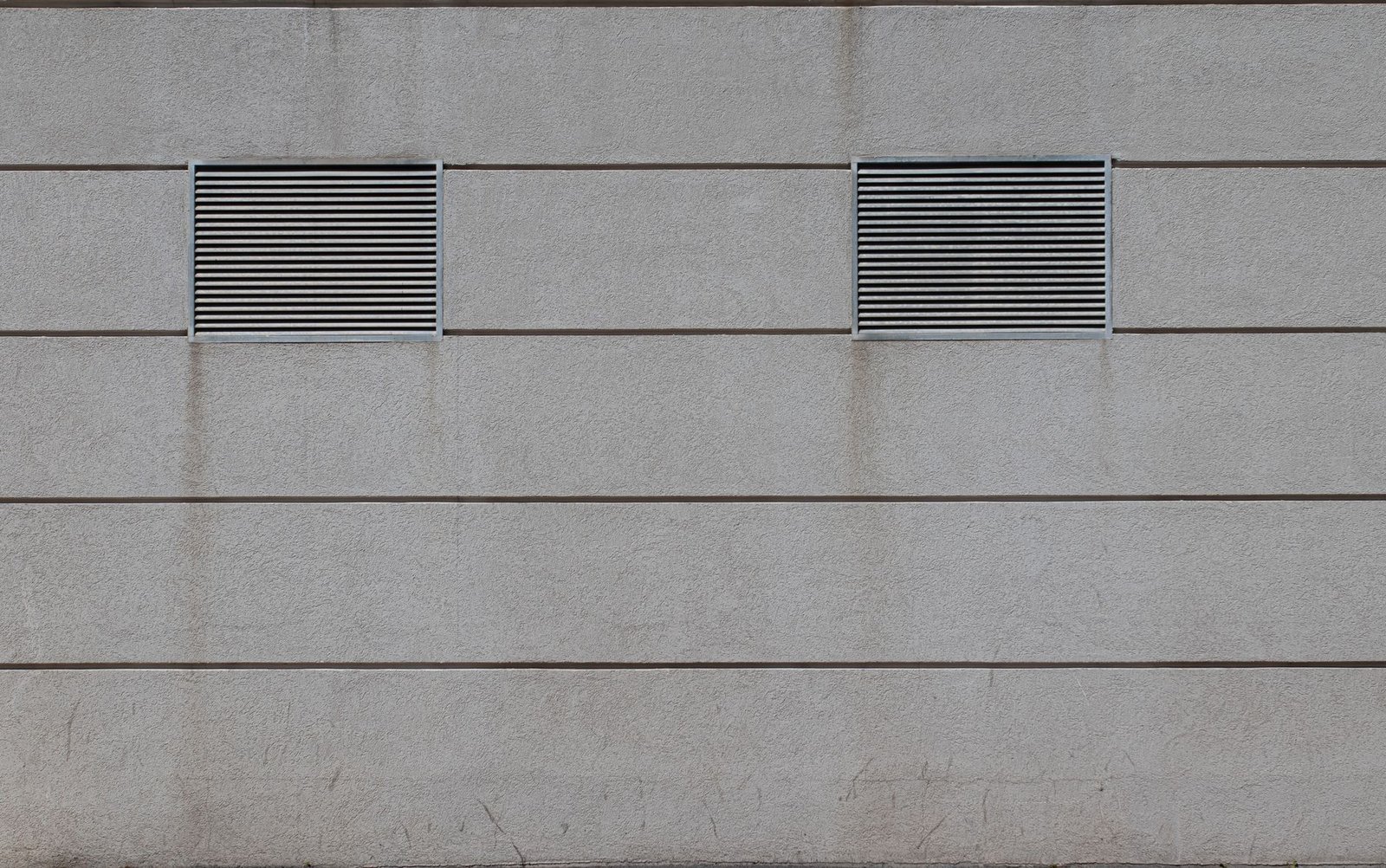
Test 1: list every way air gets in and out
Walk the house with a notepad and write down what you find, room by room. You are looking for:
| Where | What to find | What to note |
|---|---|---|
| Windows | Trickle vents in the frames, windows that open | Open or closed? Painted shut? |
| Kitchen, bathroom, utility | Extractor fans or cooker hood | Present? Vented outside? |
| Outside walls near the ground | Air bricks | Clear, or buried under soil, paint or a plant? |
| Fireplaces and flues | Open flue, vents in the room | Blocked, covered, or still in use? |
| Rooms with gas or oil appliances | Permanent air vents | Present and unobstructed? |
The Health and Safety Executive’s guidance for natural ventilation is plain: make sure windows, air vents and trickle vents that admit fresh air can be opened, and reopen windows that have been painted shut. That is workplace guidance, but the mechanical point carries over to a home.
Test 2: hold tissue to each extractor fan
Switch the fan on and hold a single sheet of toilet tissue near the grille, lightly, without covering it for long.
If the tissue is drawn towards the grille and clings, the fan is pulling. If it hangs limp or falls away, the fan is weak, blocked or not connected to anything. This is a rough test of my own, not a standard, and it will not tell you how many litres per second the fan moves. It will tell you whether the fan is broken, which is the usual problem.
If it fails, see why a bathroom fan may not be clearing steam. Also confirm where the duct goes: the EPA’s description of exhaust fans is outdoor-vented fans that remove air from a room such as a bathroom or kitchen, and a fan that dumps into the loft is not doing that.
Test 3: check the vents nobody looks at
Go outside. Air bricks are the small perforated blocks near the base of an outside wall, and they ventilate the void under a suspended timber floor. Check that none is blocked by soil, paint, a pot or a raised patio. What air bricks are explains why they matter.
Indoors, look at trickle vents. If you have them, slide them open. A slot full of dust or paint is a closed vent.
Test 4: let a hygrometer grade the whole system
Fans and vents are inputs. Humidity is the result.
Put a hygrometer in the main living space and one in a bedroom, and note the reading morning and evening for a week. The EPA’s advice is to keep indoor humidity below 60 percent, ideally between 30 and 50 percent. A reading that sits above that while the fans are running is a ventilation or moisture-source problem, not a measuring problem. If you want a more careful estimate of how much air the house exchanges, air changes per hour in a house explains the numbers.
You can also watch for the visible results: windows wet every morning, a musty smell that returns, or mould in corners. Signs of poor ventilation in a house lists them.
Test 5: look for draughts only where air should not move
Uncontrolled leaks are a different thing from ventilation. A gap round a loft hatch or pipe run lets air through without helping where you need it. A lit incense stick near a suspected gap will show the air moving. Keep it away from curtains and do not leave it unattended.
When to stop and call someone
Do not seal, block or modify vents serving a gas, oil or solid-fuel appliance, and do not test them with flames. If a boiler, fire or cooker has soot staining, a lazy yellow flame, or you suspect fumes, stop using it and have a registered engineer look at it. A working carbon monoxide alarm is the safety net.
Call a professional when:
- the house has a mechanical system and it needs an engineer to confirm what it supplies, as the HSE says,
- there are fuel-burning appliances and you are unsure about their air supply,
- there is persistent mould that coincides with working fans and vents, which points to a leak or a wider building fault.
How to check house ventilation in one line: fans pull, vents open, humidity under 60%
That is how to check house ventilation without special equipment. Every room has a route for air in and out, each fan holds a tissue, the air bricks are clear, and your hygrometer stays inside the EPA’s range. Fail any one and you have a specific fix, not a vague feeling that the place is stuffy.
FAQ
How do I know if my house has enough ventilation?
Look at the results: humidity staying under 60%, no daily condensation, no persistent musty smell, and fans and vents that work. A house that fails several of these probably needs more.
How can I test an extractor fan at home?
Hold a sheet of toilet tissue lightly near the grille with the fan on. If it is drawn on and clings, the fan is extracting. If it drops, the fan is weak, blocked or poorly ducted. It is a rough check only.
Can I use a CO2 monitor to check ventilation?
The HSE lists CO2 readings staying above recommended levels as a sign that ventilation may be inadequate, though its page gives no figures. It is a useful extra check, not a necessary one.
Do I need an airtightness test?
Not for a routine check. A professional test measures how leaky the building is overall, which matters if you are retrofitting or want a precise figure. Start with the simple tests above.
How often should I check my ventilation?
Once at the start of winter is plenty, and again if you notice new condensation or a smell. Clear air bricks and trickle vents at the same time.

