
Last Updated on October 23, 2026 by Umar Farooq
How to stop condensation in an RV: make less moisture, vent the steam you do make straight outside, and warm the cold surfaces (mainly the glass) so the damp air has nowhere to land. A dehumidifier is a fourth option, not the first.
An RV is a very small box with one or two people breathing in it, a kettle, a hob and a shower, wrapped in thin walls. It will always run wetter than a house, so the aim is not zero condensation. It is no puddles, no wet cupboards and no black speckles by spring.
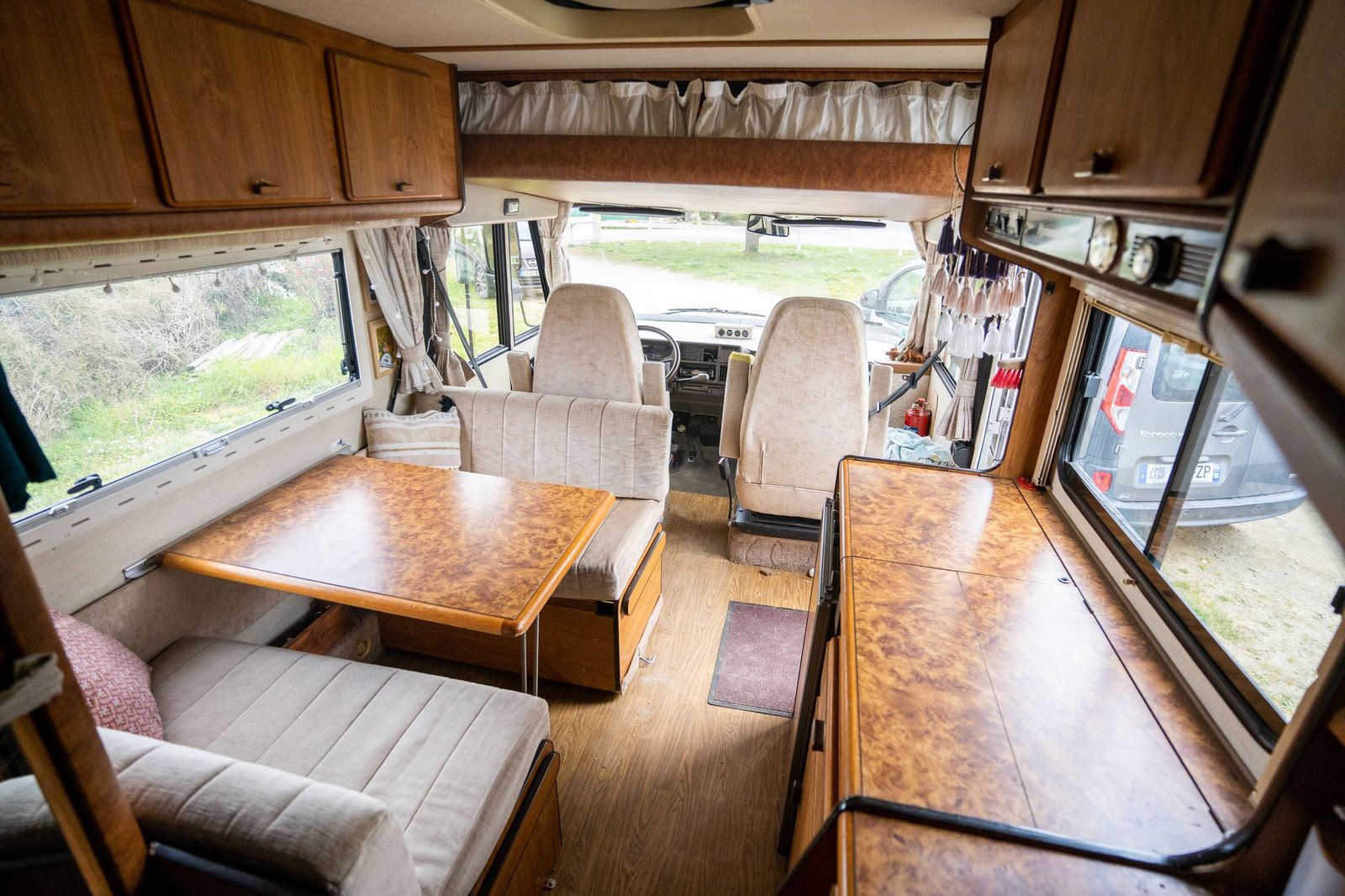
Why a camper sweats more than a house
Condensation is simple physics. The EPA puts it plainly: when warm, humid air contacts a cold surface, condensation may form, and it can be a sign of high humidity. Two things make an RV worse than a bungalow.
First, the volume is tiny, so a few minutes of cooking changes the humidity of the whole cabin. Second, the shell is thin, with single-pane glass, metal frames and cupboards backed straight onto the outer wall. Those surfaces sit close to the outside temperature, which is exactly what you do not want when the inside air is warm and damp.
Winter storage adds a third problem. A closed, unheated RV has no one breathing in it, but it still holds whatever damp went in with the last trip: wet cushions, a damp awning, towels in a cupboard.
Count the moisture you actually make
You cannot fix what you have not listed. In an RV the usual suspects are:
- Breathing and sleeping. Unavoidable, and the main reason windows run wet overnight.
- Cooking and kettle steam. Boiling pasta with the lid off is a small humidifier.
- Showering. The biggest single burst, and the one most people leave unvented.
- Wet coats, towels and boots brought inside, and anything hung to dry.
- A flueless gas heater. The EPA notes that combustion appliances produce water vapour and raise humidity unless vented outside.
- Leaks. A weeping roof fitting or window seal looks like condensation until you find the wet patch in the same place every time.

Never run a gas, paddle or charcoal heater or stove for warmth in a closed RV, and never block a heater’s flue to keep heat in. Carbon monoxide has no smell. Follow the appliance manual and fit a working CO alarm.
How to stop condensation in an RV, in the order that pays off
Start with habits, because they are free.
- Run the fan or crack a roof vent while cooking and showering, not after. The EPA’s advice for any home is to run the bathroom fan or open a window when showering, and use exhaust fans when cooking. A roof vent beats a side window because warm, damp air rises to it.
- Put lids on pans and use the smallest burner that does the job.
- Keep the shower short and the bathroom door shut, then leave the vent open for a while afterwards so the steam goes outside rather than into the bedding.
- Dry wet gear elsewhere. Campsite laundry and drying rooms exist for a reason. Hanging towels inside undoes the other three steps.
- Move the air. A small fan pointed at the windows stops damp air sitting against cold glass. Prop cupboard doors ajar and lift the cushions off their bases now and then.
- Wipe the glass. Not a cure, but standing water in a window seal is where black marks start.

Ventilating does cost heat. That is the honest trade-off, and the reason the next step matters more than most guides admit.
Warm the cold spots instead of fighting them
Heat alone stops working when it is very cold outside, so the longer-term answer is to stop the damp air meeting cold surfaces at all.
- Windows first. Single-pane glass is the coldest large surface in the cabin. Fitted thermal screens, heavy curtains or clear secondary glazing film all help. My own view is that this is the best money in the whole job, because it attacks the cause rather than the symptom. The same logic is in how to stop condensation on windows.
- Cupboards on outer walls. Leave a little air gap and keep doors open when you are not using them, because a closed cupboard is a pocket of still air against a cold wall. The EPA warns that mould is frequently found on walls in cold corners behind furniture where condensation forms.
- The bed. A mattress pressed on a cold base is a classic damp spot. Lift it, add an airflow layer or stand it on edge in the morning.
- The floor and slide-outs. Rugs, skirting and sealing draughts around slide-outs reduce cold air creeping in.

Read the hygrometer before you buy anything
A small hygrometer costs little and tells you whether your fixes work. The EPA advises keeping indoor humidity below 60 per cent, ideally 30 to 50 per cent. That is a guideline for homes, and an RV in freezing weather can sit above it and still be liveable, so use it as a direction rather than a pass mark.
Put the meter where the problem is, not on the dashboard. Check it first thing in the morning, then again after cooking or a shower. If it jumps and falls back within the hour, your ventilation is doing its job. If it sits high all night, you are generating more than you remove.
Where a dehumidifier or desiccant fits
A dehumidifier is worth considering when the RV stays damp despite good habits: damp climates, a long stay in one spot, or storage in the wet season. It does nothing about a cold window or a leak, so treat it as the finishing step.
You have two broad choices. Small electric units pull water from the air but need power and emptying. A disposable dehumidifier (a calcium chloride tub or hanging bag) needs no power and is handy in a cupboard or a stored RV, but it only holds a limited amount and does not replace ventilation. Whichever you choose, I would not leave a mains-powered unit running unattended in a vehicle for long periods.
For a stored RV, cold air carries little moisture, so a dehumidifier often does less than people expect; running a dehumidifier in winter covers when it works and when it is wasted. The bigger picture for any small space is in how to lower humidity in a house, and the same source-first logic applies.
Winter storage: leave it dry and breathing
Before you park it for the season, empty the water system as your manual says, clean and dry the cupboards, take out damp cushions and leave doors and cupboards ajar. Do not seal it up with wet gear inside. Put a hygrometer in and glance at it on visits.
Warm glass and a working vent beat any gadget
Cut the steam, vent it out and warm the glass. Those three habits are how to stop condensation in an RV for good, and the humidity meter tells you whether they are working. Add a desiccant or small dehumidifier only if the numbers stay stubbornly high after that. If mould has already started, how long mould takes to grow explains the timeline.
FAQ
Why is there so much condensation in my RV overnight?
Two people breathing and sleeping put a surprising amount of water into a tiny cabin, and the windows are the coldest surface, so it lands there. Crack a roof vent and warm the glass.
Is it better to leave a window open or use a dehumidifier?
Ventilating comes first because it removes the moisture instead of just collecting it. A dehumidifier is useful when it is damp outside as well, or when you cannot ventilate.
What humidity should I aim for in an RV?
The EPA’s home guideline is below 60 per cent and ideally 30 to 50 per cent. A hygrometer at the bedroom end will show whether you are near it.
Does heating the RV stop condensation?
Warmer surfaces are less likely to fall below the dew point, so heating helps. In very cold weather it stops being enough, so insulate the glass and vent the steam.
Can condensation cause mould in a camper?
Persistent damp on cold surfaces, especially behind cushions and in cupboards, can. Dry it quickly and find the source of the water.

