
Last Updated on October 26, 2026 by Umar Farooq
Do paraffin heaters cause damp? Yes: a flueless paraffin heater releases about a litre of water vapour into the room for every litre of paraffin it burns, which is why windows run and walls go black around them. It is the one heater that warms a room and wets it in the same breath.
I have nothing against warm rooms, and I have nothing against the person who bought the heater because the bill for the alternative was frightening. But the water arithmetic is simple and not in anyone’s favour, so it is worth seeing the numbers before the mould makes the point for you.
Do paraffin heaters cause damp? The litre-for-litre rule and one tank
Burning any hydrocarbon fuel makes carbon dioxide and water. A paraffin heater has no flue, so all of it stays in the room. Solihull Council’s damp guidance puts it plainly: each litre of paraffin burned releases one litre, three pints, of water vapour into the air. Other councils give the same figure, and it is a rule of thumb rather than a measured lab value, since the exact amount depends on the fuel and how cleanly it burns.
Here is my own arithmetic, not a published figure. If your heater’s tank holds 4 litres (check the label on yours), then one tank is about 4 litres of water in the room. UK housing factsheets, compared here, put a whole home’s daily output from cooking, washing, breathing and drying clothes at roughly 10 to 14 litres, with 12 the usual figure. So a single tank could add about a third of what the entire household makes in a day, in a room that is usually small and shut.
That is why a heater can be fine in a garage with the door open and a disaster in a box room with the window closed.
Where the water goes: cold glass, cold walls, cold wardrobes
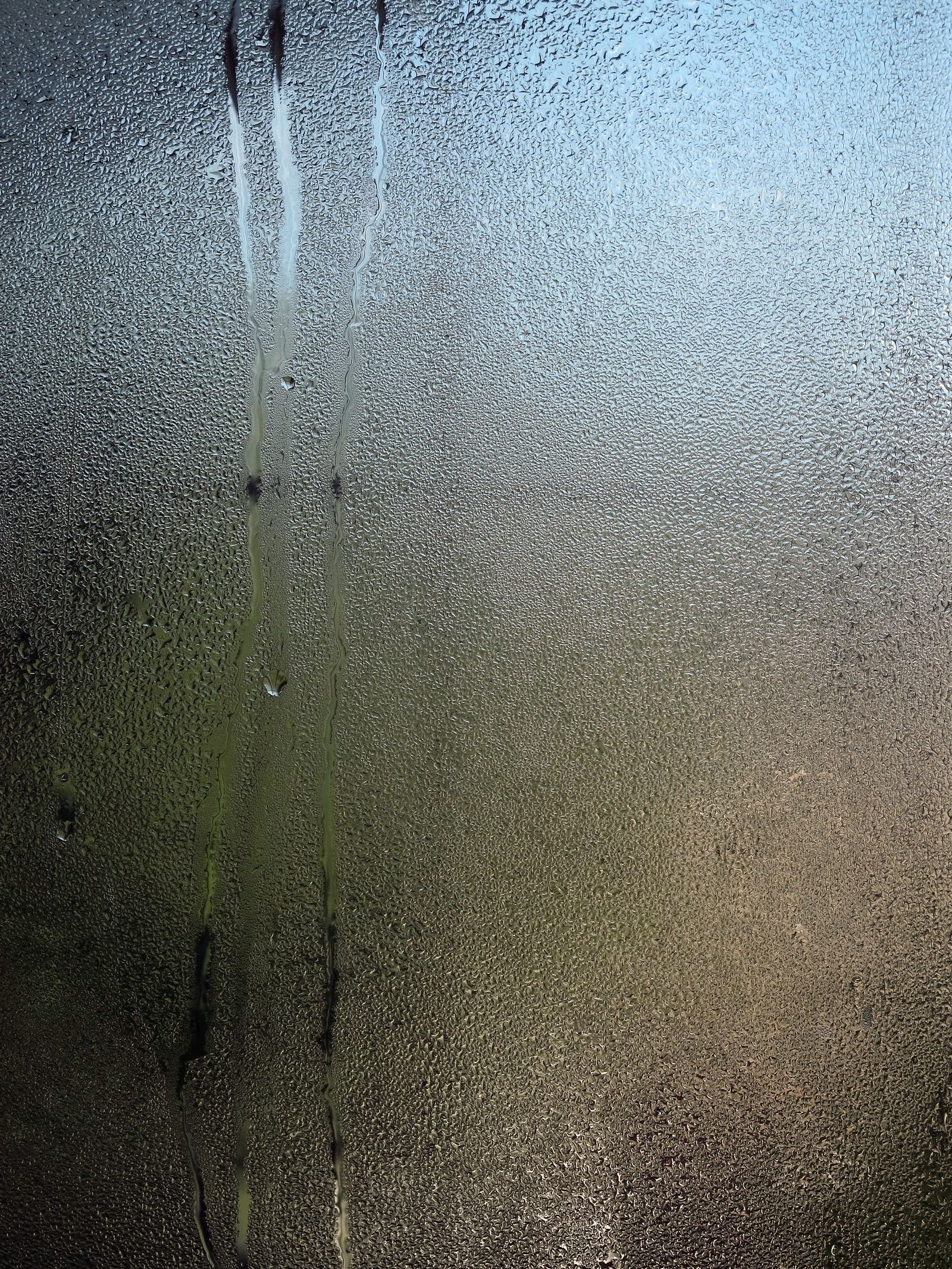
Warm air carries a lot of water vapour, and when it meets a cold surface it drops some of it as liquid. The heater makes the air warmer and wetter at once, and the water finds the coldest surface in the room.
So the first sign is usually streaming windows, then wet outside walls and corners, then black spots on the wall behind the wardrobe or the bed. The sequence is the same as for any condensation problem, only faster. How to stop condensation on windows covers the first stage, and the black spots at the end are mould that has started to feed on the wet plaster and paint.
Councils see the pattern so often that Oadby and Wigston’s advice is to avoid paraffin and portable flueless bottled-gas heaters because they put a lot of moisture into the air. That page gives no numbers for the output, so the litre figure above comes from the Solihull guidance.
If you have to use one tonight
A paraffin heater burns fuel in your room. Never refuel it while it is lit or hot, never leave it running unattended or while you sleep, keep it clear of curtains and furniture, and keep a window or vent open for fresh air because burning fuel also produces carbon monoxide. Fit a working carbon monoxide alarm. If you cannot give it fresh air, do not use it.
Those fresh-air rules also happen to reduce the damp, which is the only silver lining. If you are going to run one:
- Ventilate while it runs. A window open a hand’s width, or a trickle vent, lets some of the vapour out with the warm air. Yes, it costs heat. That is the trade.
- Keep it to the room and the time you need. Use it for a few hours in the room you are in, not all day in a closed house.
- Wipe the glass. Every morning, wipe the windows and sills and the black-spot corners with a cloth, so the water does not sit and feed mould.
- Keep doors shut to bedrooms and cold rooms. The vapour will drift into the coldest room in the house and condense there. A closed door keeps it where you can manage it.
Can a dehumidifier cancel it out?
Partly, and not for free. A dehumidifier takes water out of the air, so with a heater running it will fill its tank quickly. I would treat it as a damage-limitation tool, not a licence to burn paraffin all winter, because the heater keeps putting water in at the same time and you will be emptying the tank repeatedly. How much it collects depends on its size and the conditions. Where to put a dehumidifier matters, and so does keeping the air moving, but the cheaper fix is to cut the source.
If the walls are already marked, small areas of mould can be cleaned. The EPA’s brief guide says most people can handle a patch under about 10 square feet and that you should fix the water problem first. Fixing it means stopping the paraffin.
What to use instead
The honest alternatives, from simple to bigger:
- An electric heater for one room. It adds no water at all. Do electric heaters reduce humidity explains why the reading on the hygrometer drops even though the water does not leave the room.
- Short bursts of central heating, aimed at the cold times. When to turn heating on to stop damp argues that steady low heat beats cold-then-blast.
- Cutting the draughts first, so less heat is needed in the first place.
If the heater is your only heat source and cost is the reason, say so to your landlord or local council. They have heard it before, and damp from a flueless heater is a recognised enough problem that councils write leaflets about it.
A paraffin heater is a water source first and a heat source second
A flueless paraffin heater turns each litre of fuel into about a litre of water in the room, and that water ends up on windows, walls and wardrobes. If you cannot avoid it, ventilate, keep it brief and wipe the glass daily. Where you can, replace it with an electric heater, and let a dehumidifier handle whatever moisture is left.
FAQ
Do paraffin heaters cause condensation?
Yes. They release water vapour into the room as the fuel burns, and that vapour condenses on cold windows and walls. One litre of paraffin burned releases about one litre of water, according to council guidance.
Do paraffin heaters make a room damp?
They add a lot of moisture to the air, so a room can become damp on its surfaces, which in turn encourages mould. It is worst in small, shut rooms with cold walls.
Can I use a dehumidifier with a paraffin heater?
You can, and it will collect a lot of water, but it treats the symptom while the heater keeps adding moisture. Ventilation and a drier heat source solve more of the problem.
Is a paraffin heater worse than a gas heater for damp?
Both flueless types release water vapour. Councils group paraffin and bottled-gas heaters together for that reason. A flued gas appliance sends the vapour outside, which is a different case.
Are paraffin heaters safe to use indoors?
Only with fresh air, careful refuelling and a working carbon monoxide alarm. If you cannot ventilate the room, they are not appropriate. Check the manufacturer’s instructions for your model.

