
Last Updated on October 24, 2026 by Umar Farooq
How to ventilate a house to reduce moisture: extract steam where it is made (bathroom and kitchen fans), open windows wide for a few minutes after a burst of moisture, and leave background vents open the rest of the time. Three layers, each doing a different job, and none of them works as a substitute for the others.
Most advice says “open a window” and stops there, which is like telling someone to bail out a boat without mentioning the hole. This is the plan I would actually follow, sorted by where the water comes from and when it arrives.
How to ventilate a house to reduce moisture: match the method to the moment
The English building regulations on ventilation, Approved Document F, already describe the same three layers. Its strategy relies on extract ventilation from rooms where water vapour is released, whole-dwelling ventilation to dilute whatever the fans miss, and purge ventilation to clear high concentrations of vapour. I have renamed them for people who do not own the document: extract, background and purge.
| Layer | Handles | When | Typical tool |
|---|---|---|---|
| Extract | Steam from showers, cooking, laundry | While the moisture is being made, plus a few minutes after | Bathroom fan, cooker hood that vents outside |
| Purge | A big burst, or a stale, steamy room | Short and wide, after a shower, cooking or drying washing | Open windows and doors |
| Background | The slow trickle from breathing, plants, damp air leaking in | All day, every day | Trickle vents, permanent vents |
Moisture you let spread is moisture you have to chase. Everything below is ordered so you catch it as close to the source as you can.
Extract the steam where it is made
A shower or a boiling pan is a concentrated source in a small room, so a fan catches it before it reaches cold walls and ceilings in the rest of the house. For the same reason, keep the bathroom and kitchen doors shut while the fan runs, so the steam is pulled outside rather than drawn through the hall.
Approved Document F gives minimum intermittent extract rates of 15 litres per second for a bathroom, 30 for a utility room, and 30 for a kitchen where the cooker hood extracts to the outside, rising to 60 where there is no hood or it does not vent outdoors. Those are England’s minimums for new work, not a target for your bedsit, but they show the point: a recirculating hood that filters grease and puts the steam straight back is not extract ventilation at all.
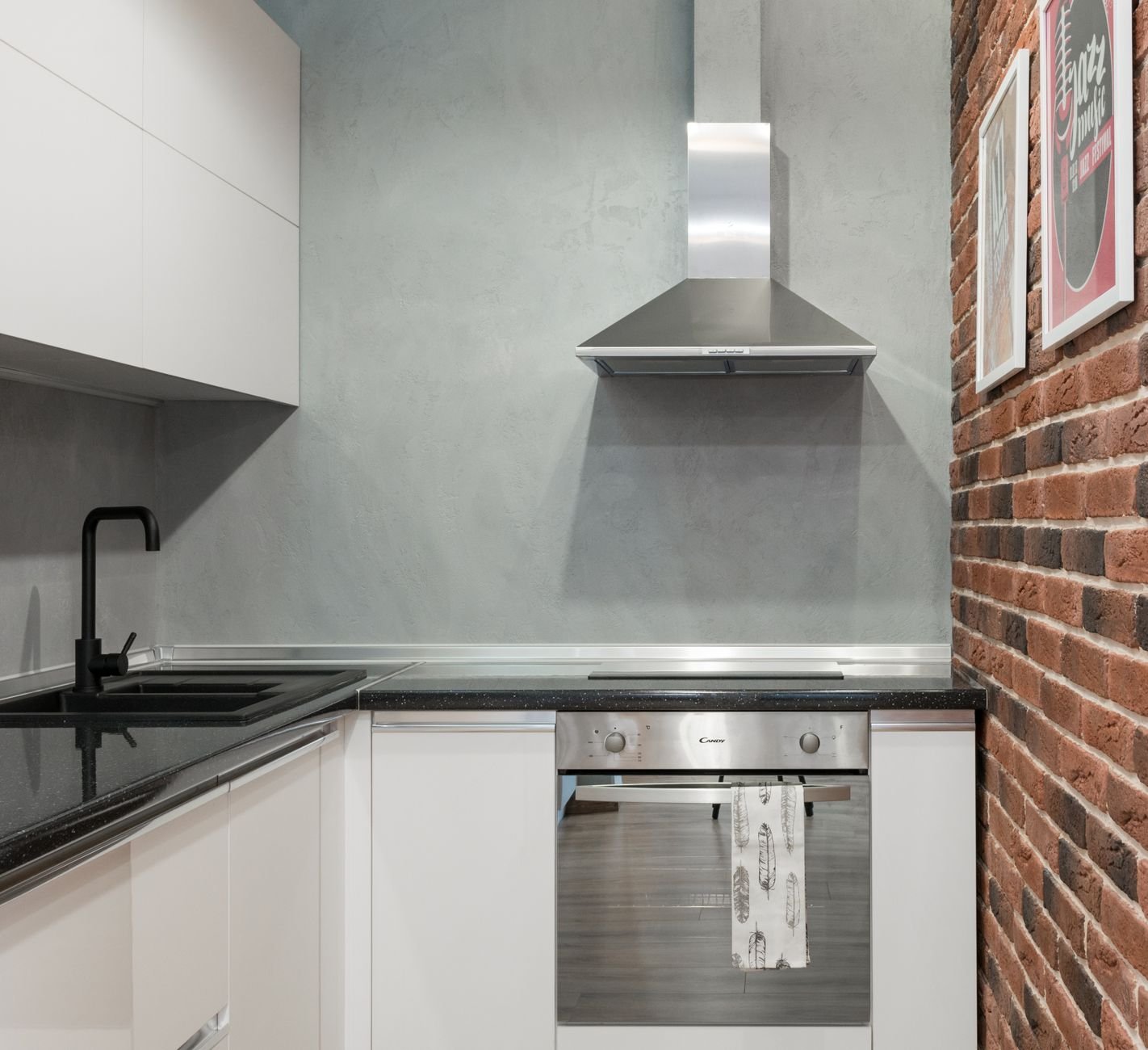
Run the fan for the whole shower and for a while afterwards; the EPA’s guide to mould and moisture in the home says to run the bathroom fan or open a window when showering, and to use exhaust fans or open windows when cooking or running the dishwasher. If you are not sure your bathroom fan is doing anything, do I need a bathroom extractor fan covers what a working one should look like. A fan that does not discharge outdoors is only moving the steam somewhere else.
Open the windows wide for a few minutes, not a crack all day
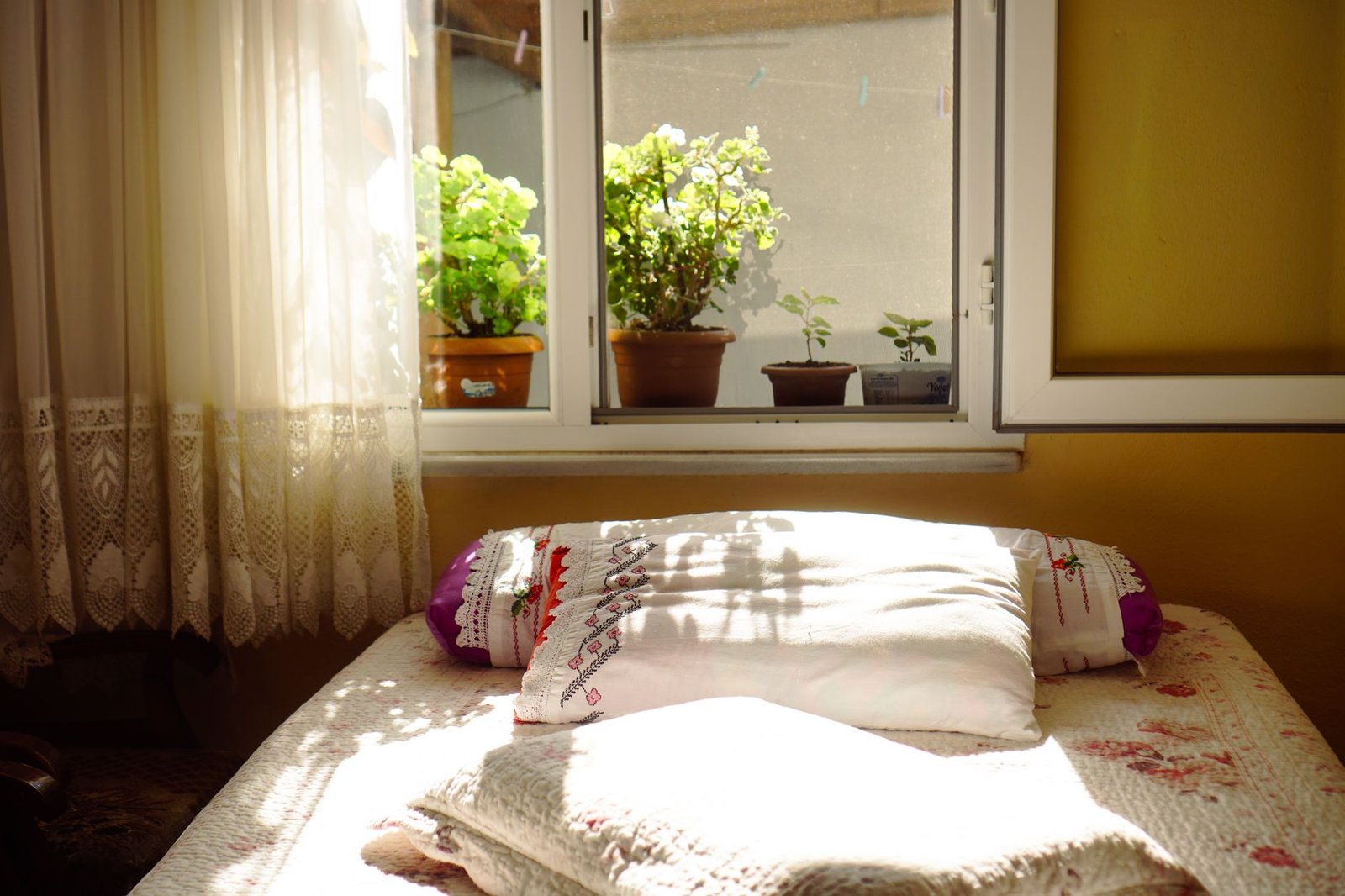
Purge ventilation is the brute-force layer. Approved Document F says it should be able to change the air in a room at least four times an hour directly to the outside, and that windows or doors can do it. It also says a hinged or pivot window opened less than 15 degrees is not suitable for purge ventilation. A window left on the first notch is background ventilation at best.
So my rule, which is judgement and not a standard: open windows fully, ideally on opposite sides of the house, for 5 to 10 minutes after a shower, a cooking session or a clothes airer. Longer than that mostly cools the walls, which then attract condensation when the warm air returns. The point is to swap the damp air for different air quickly, not to leave the house open to the weather.
Do it in the room that made the moisture, with its door shut behind you, so you are not pushing steam towards the bedrooms.
Skip the airing when the air outside is wetter than the air inside
A purge only helps if the air coming in holds less water than the air going out. Muggy days, drizzle and warm, close evenings can make the house wetter. The test is the outdoor dew point against the indoor one, and does opening windows reduce humidity walks through the comparison and the worked numbers, so I will not repeat it here. The short version: on a wet-feeling cold day the answer is usually still yes, open up, and on a warm sticky one it is usually no.
On the no days, extract fans still earn their keep, because moving a litre of steam outside is a net win in almost any weather. It is the open-window purge that you skip.
Leave background ventilation open for the other 23 hours
Background ventilation is the slow layer. People and plants add moisture all day, and a sealed house has nowhere to put it. Trickle vents in the window frames are the usual tool: small, permanent, controllable openings. What are trickle vents explains how to tell if your windows have them and what to do if they do not.
Do not close them in winter to save heat. The slightly cold air they admit is cheaper than the damp and mould that builds on the cold surfaces of a house that cannot breathe out.
Do not block the airbricks under the floor
If you have a suspended timber ground floor, there is a void beneath it, ventilated through airbricks in the outside walls. Historic England’s guidance on insulating suspended timber floors, which I read as a copy hosted by the AECB, says cross-ventilation of that space is needed to prevent air stagnation, and that airbricks are often obstructed by raised ground levels outside, which should be carefully reduced to restore full flow.
What a blocked one does is predictable: the air under the floor stops moving, its humidity rises, and the timber above sits over a damp pocket. If you are chasing a musty smell on the ground floor, go outside and look at the airbricks before you buy anything. Clear soil, paving or a planter away from them. If the floor is solid concrete, the void argument does not apply, but find out what a vent serves before you block anything.
When ventilation runs out and a machine takes over
Ventilation moves moisture out, and that is all it does. It cannot make the outside air drier than it is. The limits show up in three places.
- The weather won’t cooperate. In a long wet spell the outdoor dew point is above yours for weeks. Opening windows then imports water, so you extract at the source and let a dehumidifier handle the rest.
- The source is bigger than the vents. Drying a family’s washing indoors, or a basement with an ongoing moisture problem, can outpace any fan you can fit. Whole-house mechanical systems (continuous extract, or positive input and heat recovery units) are the proper answer for a house that is persistently damp, and a job for an installer.
- The reading stays high. The EPA advises keeping indoor humidity below 60%, ideally between 30% and 50%. Put a hygrometer in the worst room. If it will not come down after you have done all of the above, you have found the limit.
For the last two, a dehumidifier is the sensible stopgap, and dehumidifier vs extractor fan shows which jobs belong to which. Sizing is the next question: what size dehumidifier do I need takes it step by step.
Layer the three, then trust the hygrometer
Fan at the source, short wide purges after moisture peaks, vents open in the background, and clear airbricks underneath: that is how to ventilate a house to reduce moisture without heating the street. Nothing in that list needs a gadget except a cheap hygrometer, and that tells you whether the plan is working. If the number stays in the EPA’s 30 to 50% band, stop fiddling. If it does not, the answer is a machine, not a wider window.
FAQ
How long should I open the windows to reduce moisture?
For a purge, 5 to 10 minutes fully open is a good starting point, which is my own rule of thumb and not a standard. A window cracked open for hours is background ventilation, not a purge, and gives you less for the heat you lose.
Should I keep trickle vents open in winter?
Yes. They are there for continuous low-level ventilation, and closing them takes away the one layer that works while you are asleep or out. If they cause a draught, try a different setting before shutting them.
Does a bathroom extractor fan really reduce moisture?
Yes, if it is working and it vents outdoors. It removes steam at the source before it spreads, which is the most efficient place to ventilate. Keep the door shut while it runs and leave it on for a few minutes after the shower.
What is purge ventilation?
It is the building-regulations term for rapidly clearing high concentrations of vapour or pollutants, normally by fully opening windows or doors. Approved Document F wants it to be capable of at least four air changes an hour per room.
Is it better to ventilate or use a dehumidifier?
Ventilate first when the air outside is drier than the air inside and the source is local. Add a dehumidifier when the weather is wet, when the moisture source is large, or when a hygrometer will not drop below 60%.

