
Last Updated on October 26, 2026 by Umar Farooq
Can clothes get moldy in storage? Yes: any garment packed away damp, or kept somewhere humid with no airflow, can grow mould. The clothes themselves are rarely the problem. It is the moisture that went in with them.
I think of a box of winter jumpers as a very small, very quiet greenhouse. Warm enough, closed, and nobody checks it until October, when the whole box smells like a wet dog’s opinion of the summer.
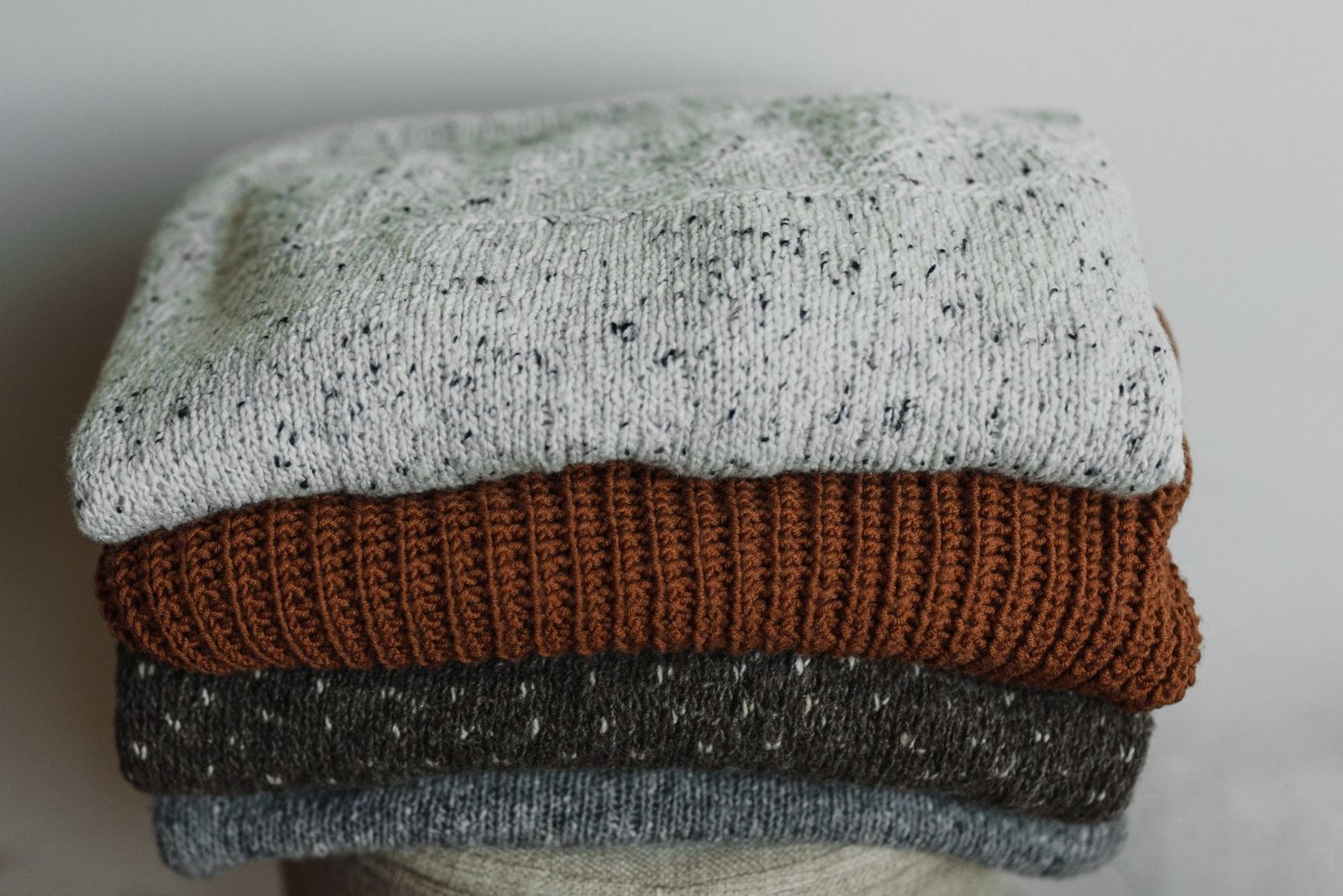
Why can clothes get moldy in storage when they went in clean?
Three things: how dry the clothes were when they went in, how humid the space is, and whether air can move. Mould needs moisture and something to feed on, and fabric plus the body oils, sweat and food residue still on worn clothes make a decent meal. A storage company’s own guide lists exactly this: garments packed damp or kept in humid spaces are the risk, and damp lingers in pockets, seams and thick sections (Public Storage, how long you can keep clothes in storage).
For the room itself, the EPA’s guidance is to keep indoor relative humidity below 60%, ideally 30 to 50%, and to dry water-damaged items within 24 to 48 hours (EPA, brief guide to mold, moisture and your home). The 24 to 48 hours is a drying deadline for wet things. It does not mean mould appears in two days. It does mean a half-dry hoodie is not ready for a box.
Which clothes are most at risk?
Not every wardrobe item is equally likely to go off. My rough ranking, from experience and mechanism rather than any measured study:
| Item | Why it is a risk |
|---|---|
| Thick knitwear and coats | Dense, slow to dry through the middle, often stored for months |
| Cotton and linen | Absorb moisture readily, and are plant-based material mould can feed on |
| Anything worn once and not washed | Sweat and skin oils are leftover food |
| Items from a wet holiday or a damp-room drawer | Already carrying moisture |
| Synthetic sportswear | Dries fast, but holds sweat odours and residue |
Public Storage also lists dry rot as a risk to natural fibres, which is another reason not to leave damp wool or cotton shut away.
Five fixes that actually work
1. Wash or air them, then dry them properly. Give them an extra day beyond when they feel dry, because the middle of a thick item dries last. If it has been drying on a radiator, it is not done.
2. Choose breathable storage for long stretches. Cotton garment bags, fabric bins or a canvas holdall let any trace of moisture escape. Public Storage recommends sturdy plastic bins for convenience, and they are fine for a short stay, but I would only use sealed plastic for clothes that are bone dry in a space that stays dry, because a sealed container holds whatever moisture was inside when the lid went on.
3. Do not overpack. Cramming a wardrobe or a box leaves no airflow, and the compressed middle stays damp longest.
4. Lift boxes off the floor and away from outside walls. Floors and cold external walls are the dampest surfaces in a room. On a shelf, the same box is in drier air.
5. Check on a schedule. Open the box or bag every few months and sniff it. Musty means damp. The storage unit guide covers that checking routine and what climate control is actually for.

Do moisture absorbers help stored clothes?
A little, in a small enclosed space. A sachet or tub of absorber takes up a limited amount of moisture, so it is a back-up for a wardrobe or a bag, not a substitute for dry clothes. If the real issue is a damp room, the absorber will fill up and quit. Do moisture absorbers work explains the limits, and a hygrometer on the shelf shows whether the room is the issue (how to read a hygrometer).
What if stored clothes already smell or show spots?
Do not shake or brush mouldy clothes indoors, and do not put them back into storage. Take them outside, wear a mask and gloves, and keep them away from clean laundry. If you have health concerns about mould, ask a doctor.
A musty smell with no visible mould usually means damp, and airing plus a normal wash often sorts it. Visible spots are harder: the EPA warns that mould in porous materials can be difficult or impossible to remove completely, and that valuable or sentimental items are worth taking to a specialist (EPA, mold cleanup in your home). The step-by-step is in how to get rid of mould on fabric, and if the source is your wardrobe, see mould in wardrobe.
Dry clothes in dry air with a bit of airflow, and storage stops being a risk
Clothes do get mouldy in storage, but almost always for a boring reason: they went in damp, or the space was. Fully dry them, store them breathably, give them air and a dry shelf, and check now and then. That covers nearly every case I would worry about.
FAQ
How long does it take for clothes to get moldy in storage?
There is no fixed time, and nobody publishes a reliable one. It depends on how damp the clothes were, the humidity and the temperature. Clothes packed wet are the ones to worry about, while properly dry clothes in dry air can stay fine for a long time.
Are plastic bins or cardboard boxes better for storing clothes?
Neither is perfect. Cardboard soaks up moisture and is better for short stays, while plastic holds in any moisture already inside. Plastic works if the clothes are fully dry and the room is dry; for long periods, breathable fabric bags are the safer choice.
Does vacuum sealing prevent mould on stored clothes?
Only if the clothes are completely dry when sealed, because the bag keeps in whatever moisture is present. I would not use them for thick wool or anything that has not dried for a full extra day.
Can mildew be removed from stored clothes?
Light mildew often comes out with airing and a wash on the warmest setting the care label allows. Deep or old staining may not, especially on delicate fabrics, so check the label or ask a dry cleaner.
Should I store clothes in the loft or garage?
I would avoid it. Lofts and garages swing in temperature and humidity, and damp air reaches the clothes. A shelf in a dry, heated part of the house is a better home.

