
Last Updated on October 26, 2026 by Umar Farooq
Can moldy shoes be saved? Often yes: if the mold is on the surface and the material is still sound, you can clean and dry the pair, but if it has got into soles, lining or crumbling fabric, it is usually time to let go. The pair you found at the back of the wardrobe in March is the typical case, and the outcome usually depends on how long they sat damp.
Shoes are small damp boxes. We wear them, sweat in them, walk them through rain, then shove them in a cupboard. Mold needs nothing more.
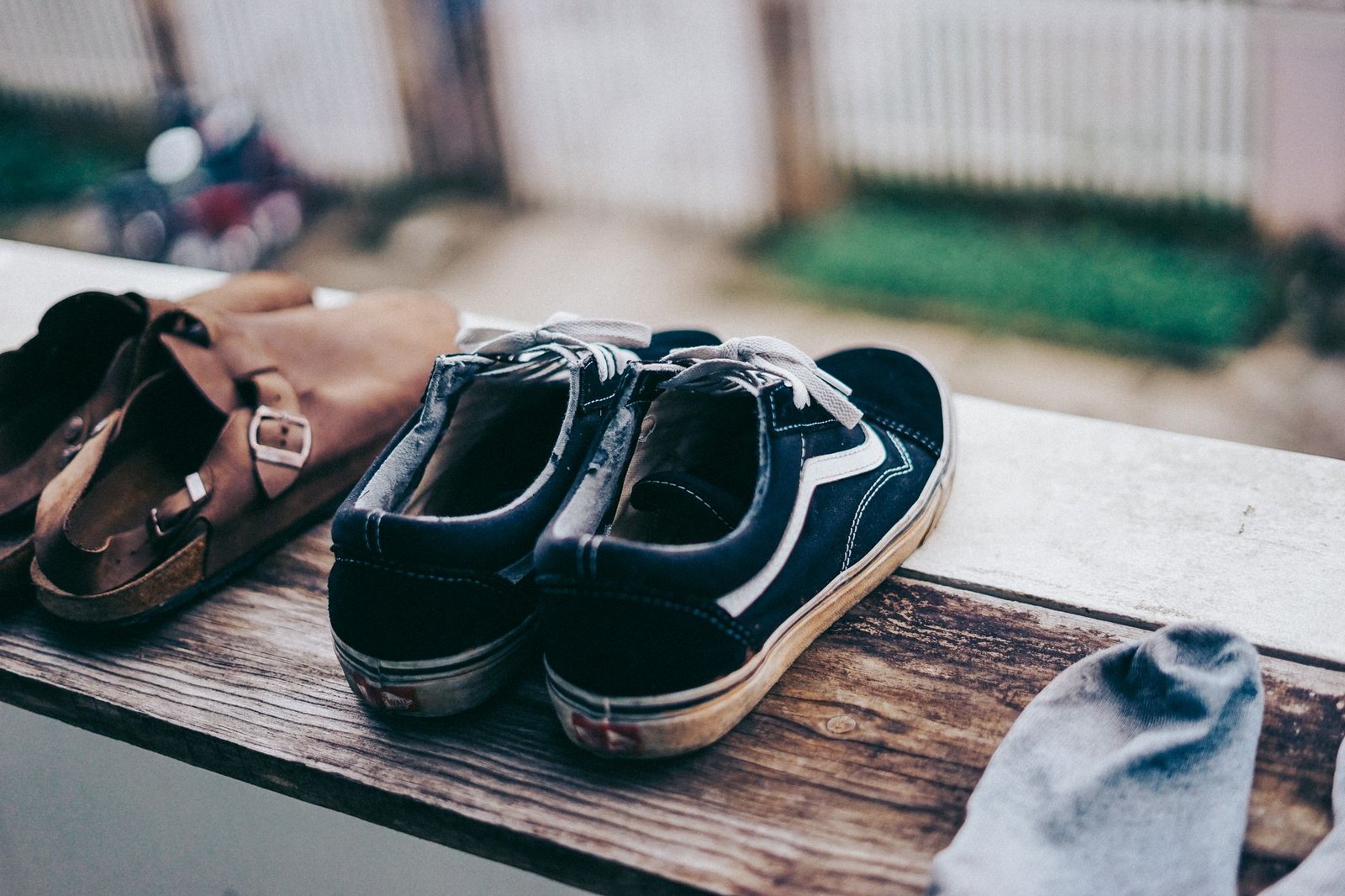
Four checks that decide whether a pair is worth saving
Before you reach for a cloth, look at the shoe honestly.
- Where is it? Surface speckles on the outside are far better news than a furry lining or insole.
- What are they made of? Canvas and smooth leather clean up reasonably. Suede and heavily padded trainers are harder, because they hold moisture in the material.
- Is the material still intact? Crumbling fabric, softened glue or cracked leather mean the damage has gone beyond the mold.
- Does the smell go? A musty smell that stays after cleaning and drying usually means the mold is deeper than you can reach.
The EPA’s mold cleanup guidance is blunt about the underlying limit: absorbent or porous materials may have to be thrown away if they become moldy, because mold can fill the spaces and be difficult or impossible to remove completely. Shoes are a mix of hard and porous parts, so some parts of a pair will clean up and some will not.
Do the safety bit first
Mold spores become airborne when disturbed. Take the shoes outside before you brush or wipe them, wear gloves and a dust mask, and do not mix cleaning products. If you have breathing problems or allergies, ask someone else to do it or speak to a doctor.
See N95 masks for mold removal for what a mask can and cannot do.
How to clean moldy shoes
- Dry them first. Cleaning wet mold smears it. Let them dry somewhere airy, out of the sun if they are leather.
- Brush off loose growth outdoors with a dry soft brush, then wipe the area with a cloth you will throw away.
- Clean to suit the material. For canvas, Homes & Gardens quotes a cleaning expert recommending equal parts rubbing alcohol and water, applied with a damp cloth. For leather, the same article suggests adding saddle soap and taking more care with the delicate material. I would test on a hidden patch first, since alcohol can strip colour from some finishes.
- Do the insoles and laces separately. Pull them out and wash or replace them. Insoles hold moisture and are cheap to swap.
- Dry them fully before wearing or storing.
I would not use bleach on shoes. It is an unnecessary risk to the fabric and leather, and the alternatives above do the job. That is my judgement, not a tested finding.
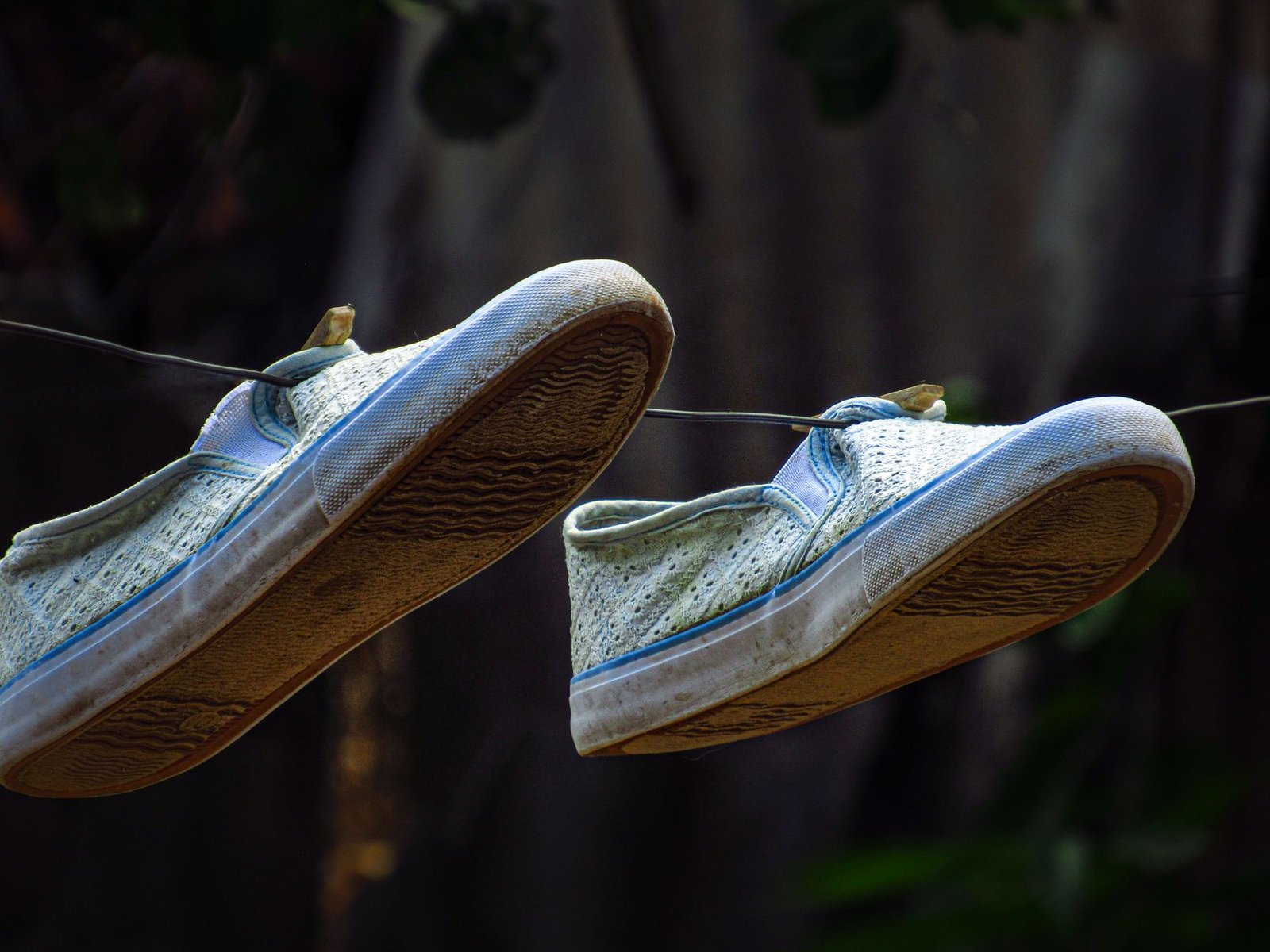
Why shoes got moldy, and how to keep them from doing it again
Cleaning does not fix the cause. The shoes were damp, then stored. Shoes from sweat, rain, or a damp floor stay wet inside for far longer than you would guess, especially trainers with padding.
- Dry them after every wear for a day before they go in a closed cupboard.
- Do not store them in sealed plastic boxes or bags while they are even slightly damp, as it traps whatever is in them.
- Keep the storage space dry. A wardrobe on an outside wall in a humid house is the classic offender: see mold in a wardrobe and a dehumidifier for a closet.
- Keep the room under 60 per cent humidity. The EPA advises indoor relative humidity below 60 per cent, ideally 30 to 50 per cent. What humidity mold grows at explains it.
Can moldy shoes be saved? Only if you catch them before the material is damaged
If it is surface mold on sound material, clean it dry, treat it to suit the material, dry it fully and fix the storage. If the lining is furry, the material is crumbling or the smell will not leave, buy a new pair.
FAQ
Is it safe to wear shoes after cleaning mold off them?
If they are completely dry and the smell has gone, many people do. I cannot give medical advice. If anyone has allergies or breathing problems, a doctor is the right person to ask, and replacement is the cautious choice.
Does vinegar kill mold on shoes?
Some guides recommend white vinegar and water, and others recommend rubbing alcohol. Neither is a guarantee on porous materials. Whatever you use, dry the shoes fully, because the leftover moisture is what lets the mold return.
Can you wash moldy shoes in the washing machine?
Some canvas trainers can go through a gentle wash, but check the label, and it can damage glue and padding. Leather should not be machine-washed.
What causes mold on shoes?
Moisture plus organic material. Sweat, rain and damp storage let mold grow on leather, cotton and wool. It is a moisture problem first.
How do you stop shoes going moldy in storage?
Dry them fully, take out the insoles, and store them in a dry, ventilated cupboard rather than a sealed box. Check them every few weeks if the home is humid.

