
Last Updated on October 25, 2026 by Umar Farooq
Can condensation cause paint to bubble? Yes: when condensation soaks the paint film again and again, or collects behind it, the film lifts into blisters. But it is rarely the only suspect, so the bubble itself is a clue, not a verdict.
A bubble is just water or air that got somewhere it should not be. Your job is to work out which, and where it came from, before anyone goes near the wall with a scraper.
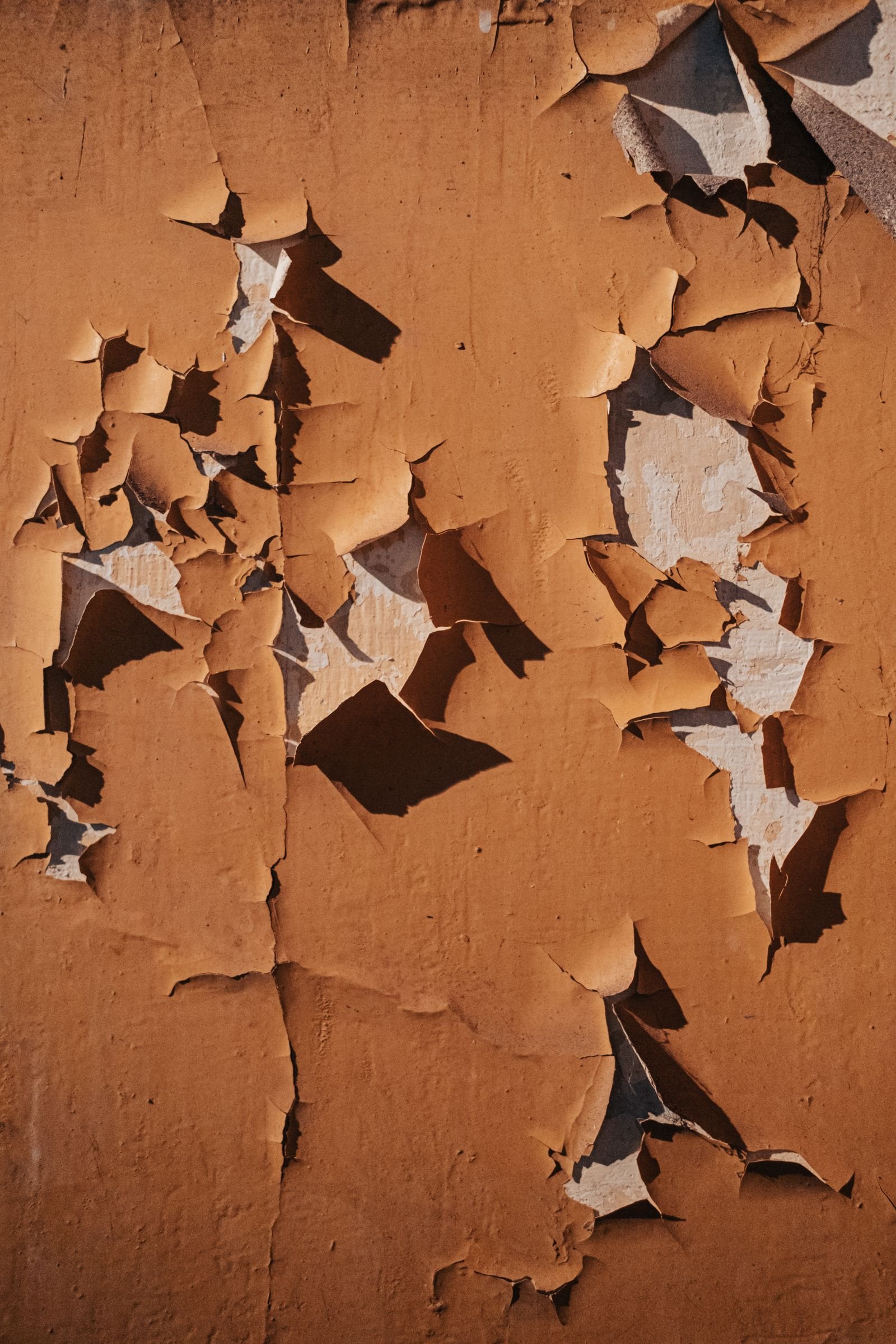
How a damp wall turns into a blister
Paint is a thin, slightly flexible film stuck to the wall. It is not waterproof in the way people assume, and it is certainly not vapour-proof.
Condensation forms when warm, moist air meets a cold surface and drops its water there. On a cold external wall or a ceiling below a cold loft, that can mean a film of water sitting on the paint every morning. Over weeks it softens the paint, loosens the bond to the plaster and, where the paint is sealed over a patch that stays wet, the trapped water pushes the film out into a bubble. Bob Vila’s guide to bubbling paint says the same in plain terms: bubbling typically means air or moisture has been trapped between layers or between the paint and the wall, and it is especially common in bathrooms, kitchens and basements.
That is the mechanism. The catch is that the same blister can come from a leak, rising damp, a dirty wall or a paint job done in the wrong conditions.
Can condensation cause paint to bubble? Five checks to find out
Work through these in order. They cost nothing except ten minutes and a bit of patience.
- Look at where it is. Condensation favours the coldest surfaces: outside corners, the wall behind a wardrobe, the ceiling edge, the area around a window. Bubbles clustered in those places point to condensation. A single patch under a bath, near a pipe or under a roof valley points to a leak.
- Press a bubble. Water-filled, soft blisters suggest liquid is sitting under the film. Dry, papery bubbles that crackle suggest trapped air or a poorly bonded coat.
- Look at the time of year. Bubbling or flaking that appears in autumn and winter and eases in summer fits condensation. Bubbling that follows heavy rain fits a penetrating leak.
- Try the foil test. Tape a square of kitchen foil, sealed on all four edges, to a bare or bubbled patch for 24 hours. Droplets on the room side of the foil mean condensation from the room air. Moisture on the wall side, under the foil, means the water is coming through the wall. The full method is in how to tell if a wall is damp.
- Read the humidity. A cheap hygrometer in the room tells you more than a guess. The EPA advises keeping indoor humidity below 60%, ideally between 30 and 50%. A bubbling bathroom that sits above that after every shower is a strong lead.
Why the bubbles may have nothing to do with condensation
I am an enthusiast for blaming condensation, because it is the commonest cause in a house, but the other explanations are real and worth ruling out.
- Painted over dirt, grease or old paste. Paint cannot grip a dusty or greasy surface, so air pockets form as it dries.
- No primer on bare plaster or a sealed patch. Raw plaster drinks the first coat unevenly.
- Painting a damp or hot wall. Paint skins over while moisture or heat is still escaping from underneath. This is the paint-job version of the same blister.
- A leak. A slow plumbing or roof leak feeds the same spot constantly, and it will not respond to ventilating the room.
- Rising or penetrating damp. Both produce tide marks, salts and bubbling low or high on a wall regardless of what the room humidity is doing. Rising, penetrating and condensation damp explains how to separate them.
If your bubbles are only in the bathroom, why paint peels in a bathroom covers the steam-and-extraction side in more depth.
What to do before you pick up a brush
The order matters more than the products.
- Stop the water. Fix any leak. If it is condensation, cut the moisture in the room (extractor fan running long enough, lids on pans, laundry not drying in the same room) and keep the wall surface warmer.
- Let the wall dry. Open a window in dry weather, run a dehumidifier if you have one, and give it days rather than hours. Repainting on a damp wall brings the bubbles straight back.
- Remove the failed paint. Scrape back to firm, well-bonded paint. Check what is underneath: if it is dark, soft or powdery, treat that first, using the steps in how to get mould off walls.
- Fill, sand and prime. Patch with filler, sand smooth and prime the bare patches with a stain-blocking or sealing primer.
- Repaint in thin coats. Thin coats dry through properly; thick ones trap solvent and moisture.
A mould-resistant or anti-condensation paint can help in a steamy room, but it is a top coat and not a fix. It will not cure a wall that is wet from behind.
Stop the next batch of bubbles
If the room is where the water came from, keep humidity under that EPA 60% mark and ideally in the 30 to 50% range. In a bathroom that usually means running the fan for a while after the shower finishes, not just until the mirror clears. In a bedroom it means not drying wet washing on the radiator.
If the bubbling keeps returning in the same spot after the room is under control, stop repainting. The wall has a water source you have not found, and the next stage is a damp meter, a look in the loft and outside at the gutters, and possibly a surveyor.
Condensation can blister paint, but a bubble only tells you water is there
That is the honest answer to whether condensation can cause paint to bubble. It can, particularly on cold walls and ceilings in steamy rooms. But treat each blister as a question rather than a diagnosis: find the water, stop it, dry the wall, and only then repaint.
FAQ
Can condensation make paint peel as well as bubble?
Yes. Repeated wetting weakens the bond between the paint and the plaster. Blisters often come first, and flaking and peeling follow once the film loses its grip.
Is bubbling paint a sign of damp?
Often, but not always. It can also come from painting a dirty, unprimed or still-damp surface. Check the location, the season and the humidity before assuming damp in the wall.
Should I pop paint bubbles?
Do not just pop and repaint. Open one to see what is underneath, work out where the water is coming from, dry the wall and scrape back to sound paint. Painting over a bubble hides the problem for a few weeks.
How long should I wait before repainting a wall that has had bubbles?
There is no fixed number. Wait until the wall is dry to the touch and a damp meter reads the same as a known dry wall nearby, then follow the paint’s own recoat and drying times.
Will a dehumidifier stop paint bubbling?
It helps when the cause is moisture in the room air, by lowering humidity so the wall surface stays drier. It will not help if the water is arriving from a leak or from inside the wall.

