
Last Updated on October 24, 2026 by Umar Farooq
Low constant heating condensation advice is sound for the damp part and contested for the money part: a steady, modest temperature keeps walls and glass warmer, so water vapour has fewer cold surfaces to land on, but heating only when you need it is usually cheaper. Both are true at once, which is why the argument never ends.
My view is that a damp house should be heated low and steady, in every room, and that the extra cost is the price of fixing the cause rather than wiping the symptom every morning.
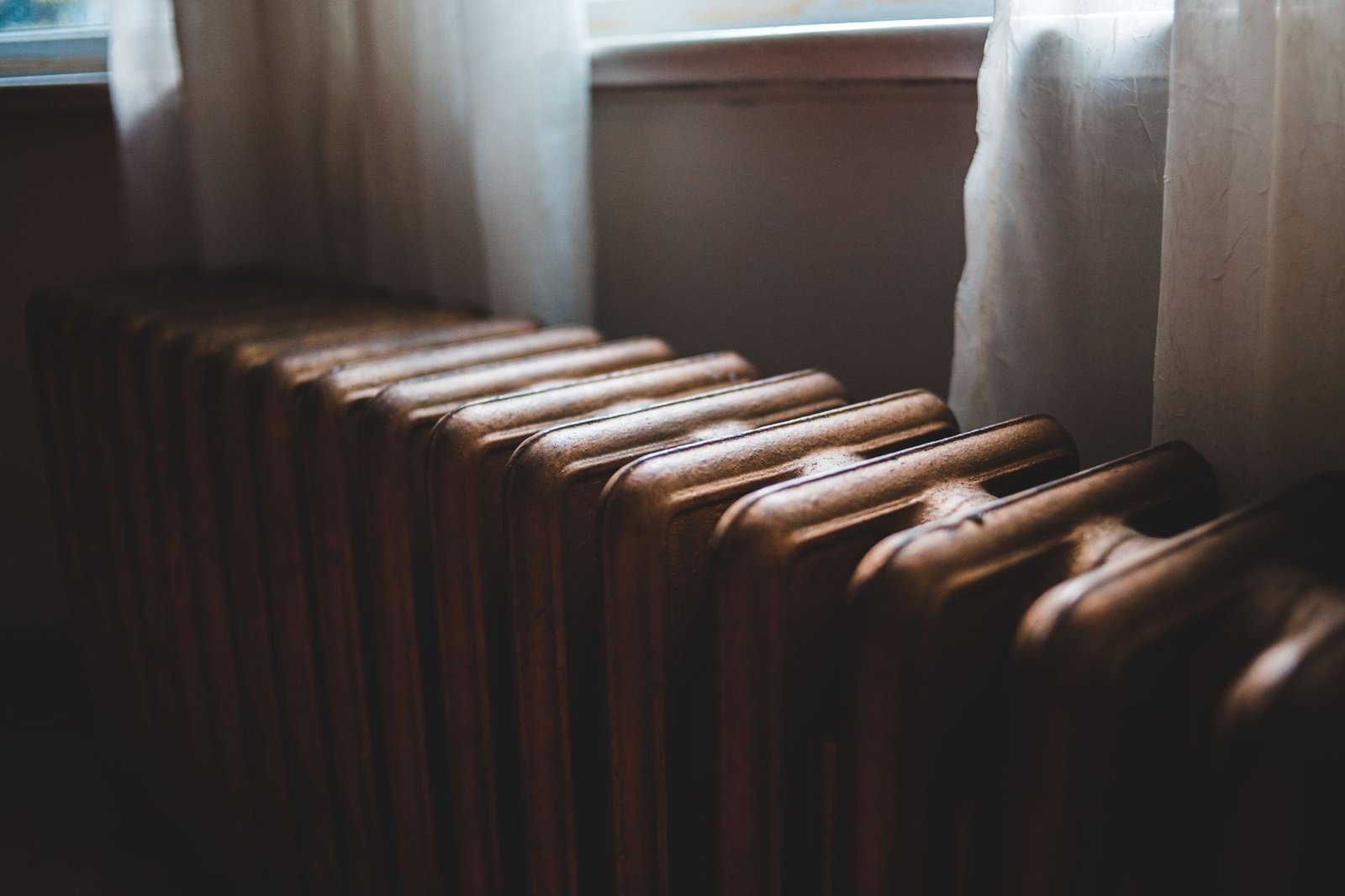
Why does steady heat beat on-off bursts for condensation?
Condensation forms when damp air touches a surface colder than its dew point. The air does not have to be very wet. It only needs a cold enough surface to cool against. I explain the mechanism in condensation on windows, so here is just the part that matters for heating.
A short burst of high heat warms the air quickly. The walls, glass and furniture warm much more slowly, and once the heating switches off the air cools faster than they do. Warm air also holds more moisture, so a burst raises the air’s capacity to carry water while the surfaces are still cold. A steady low setting works the other way round: the fabric of the house never drifts far from the air temperature, so the gap that causes condensation stays small. That is my reading of the physics, not a measurement from your house.
The Rushcliffe Borough Council advice leaflet says the same in practical terms. It tells householders to maintain constant heat throughout the house, to aim for indoor temperatures of 18-21°C on cold days, and says low heating on during the day rather than quick blasts of high heat should also reduce heating bills.
Constant heating and the bill: this is not a tariff guide
Here the sources disagree, and I would rather show you the disagreement than pick a winner.
The Rushcliffe leaflet says low heating all day should reduce bills. A MoneySavingExpert piece republished by the Gazette says the opposite: it calls leaving the heating on low all day a myth, cites the Energy Saving Trust, and says heating only when needed is the cheapest approach over time. The logic is that the warmer a house is relative to outside, the faster it loses heat, so a house held warm all day leaks more than one allowed to cool.
The same article carries a caveat that matters here. It says damp homes may need the heating on for longer, and that some engineers argue low heat with all radiators on reduces condensation, because condensation building up in walls can draw heat out. It admits that explanation is somewhat unclear, and I agree.
I am not going to give you a pence-per-day figure. The cost depends on your insulation, your heating system, the weather and your tariff, and none of the pages I opened gives a number I could trace. Figures vary a lot from house to house. Heat pumps are also treated differently from boilers by the Energy Saving Trust, but its page would not open for me, so check it directly if you have one.
My reading: for a well-insulated, dry home, timers win on cost. For a home that is already growing mould, the damp is the more expensive problem, so steady low heat is worth trying before you pay for repainting and a mould treatment.
Low constant heating condensation fix: a pattern for a damp house
You do not need to run the boiler flat out all day. Three rules cover it:
- Keep every occupied room at a modest, even temperature. Rushcliffe suggests 18-21°C on cold days. Do not reach that with one hot room and several cold ones.
- Set a lower background temperature rather than switching off. On a thermostat or smart control, a daytime and night set-back of a few degrees is usually enough. How many degrees is your call, and I have not measured it in your house.
- Warm up a little earlier, not harder later. Bringing the rooms up gently before the evening, when you cook and shower, stops cold walls meeting a wave of steam.
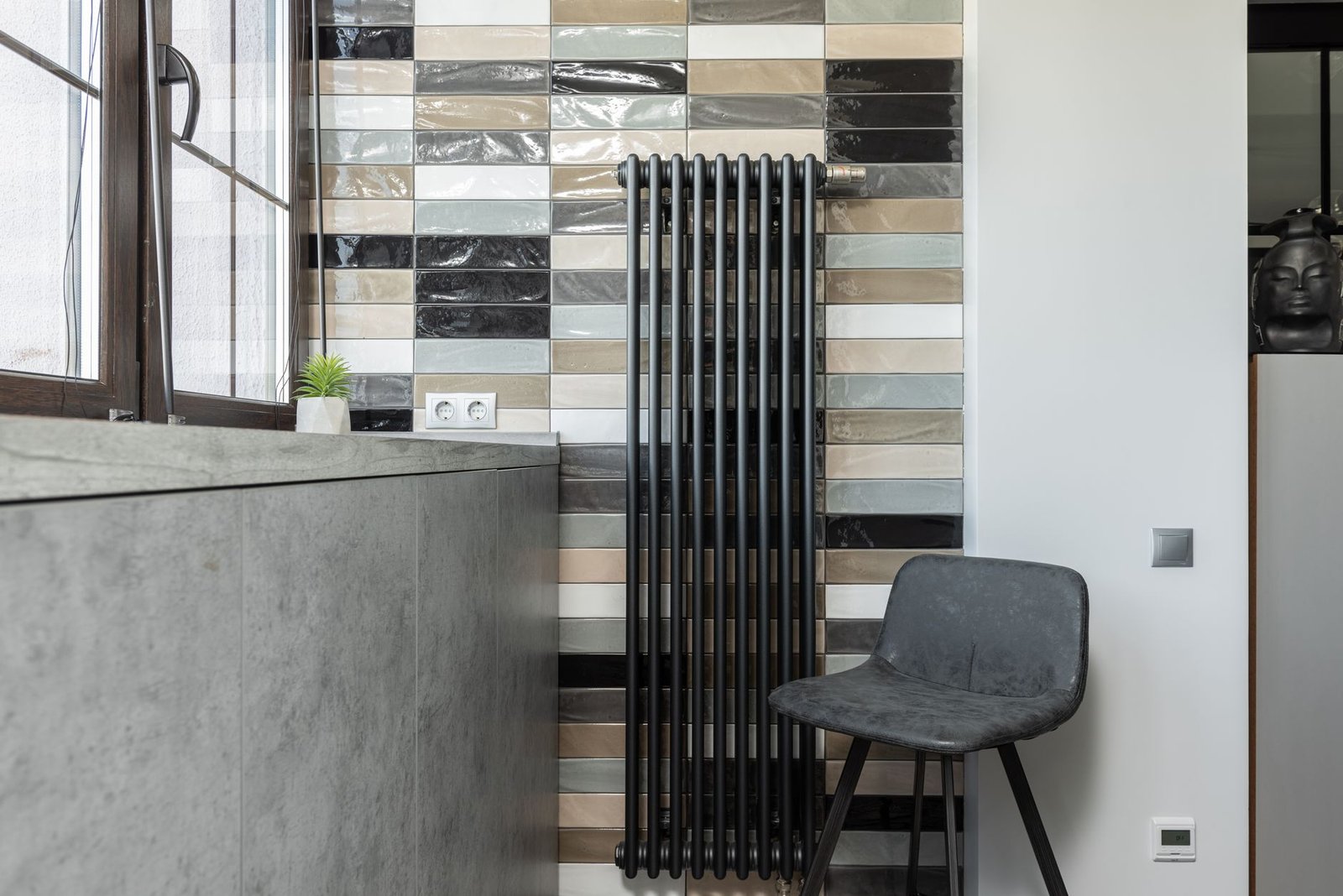
Heating one room hard makes the cold rooms worse
This is the part most people get wrong, and the councils are unusually blunt about it. The Rushcliffe leaflet says that if you heat one room to a high temperature but leave others cold, condensation will be worse in the unheated cold rooms. Epping Forest District Council advises keeping low background heating on all day, even when nobody is home, and says it is better to heat the whole home to a lower temperature than one room to a higher temperature.
The reason is that moisture moves. Damp air from the warm lounge drifts into the cold spare room and finds the coldest wall there. Epping Forest also notes that mould often turns up in a room such as a rarely used spare bedroom, not where the moisture was made. That is exactly the situation in condensation in a spare room, and it is why a dead radiator in an empty room is a false economy in a damp house.
Steady heat will not fix a wet house on its own
Heating changes the surface temperature. It does not remove any water. If you dry washing indoors, cook without lids and shower without ventilation, steady heat only moves the problem to the next coldest corner.
So pair it with moisture control. How to lower humidity in the house covers the sources, and the ideal winter humidity level gives you a reading to aim for with a cheap hygrometer, instead of guessing. If a room is still above target once it is warm, a dehumidifier is the next tool, and how it behaves in winter is worth knowing, because compressor models struggle in a cold room.
If mould is already growing, fix the water source first, and treat anything over about 10 square feet (roughly 1 square metre) as a job for a professional, as the EPA advises.
Steady low heat is the damp-house default, and the bill is the trade
Yes, low constant heating helps condensation, because it keeps surfaces warmer and removes the swings that let moisture settle. No, it is not guaranteed to be cheaper, and the sources I opened disagree on cost. In a dry, well-insulated home use a timer. In a damp one, heat every room low and evenly, add some ventilation and a hygrometer, and judge the result by the windows, not by a rule of thumb.
FAQ
Is it better to leave the heating on low all day to stop condensation?
For condensation, usually yes: a steady modest temperature keeps walls and glass warmer and avoids the cold swings. For your bill, probably not, because a warmer house loses heat faster. Damp homes are the exception where steady low heat is worth the extra.
What temperature should I keep my house to avoid condensation?
Rushcliffe Borough Council suggests 18-21°C on cold days. The best figure for you depends on your insulation and moisture, so use a hygrometer and watch the windows rather than a single number.
Does leaving the heating on low cause condensation?
No, heating does not cause it. Condensation comes from moisture meeting cold surfaces. Heat that is too low to warm the walls, plus indoor drying and cooking, can still leave condensation behind.
Should I heat unused rooms?
A little. Councils say heating one room hard while leaving others cold makes condensation worse in the cold rooms. Keep a low background temperature in them and leave the door ajar if the rest of the house is not damp.
Is it cheaper to heat the house on and off or keep it on low?
Most mainstream advice says heating only when needed is cheaper over time. Figures vary with the house, so this is not a cost guide. The exception in the sources is a damp home that may need heat for longer.

