
Last Updated on October 24, 2026 by Umar Farooq
Condensation in spare room happens because the room is colder than the rest of the house: damp air from warmer rooms drifts in, meets cold walls and windows, and drops its water there. The room is not producing the moisture. It is just the coldest place the moisture can end up.
That is why the cooker, the shower and the washing line get the blame while the spare room, where nobody has boiled a kettle since Christmas, grows the black spots. The fix is mostly about heat and doors, not about the room itself.
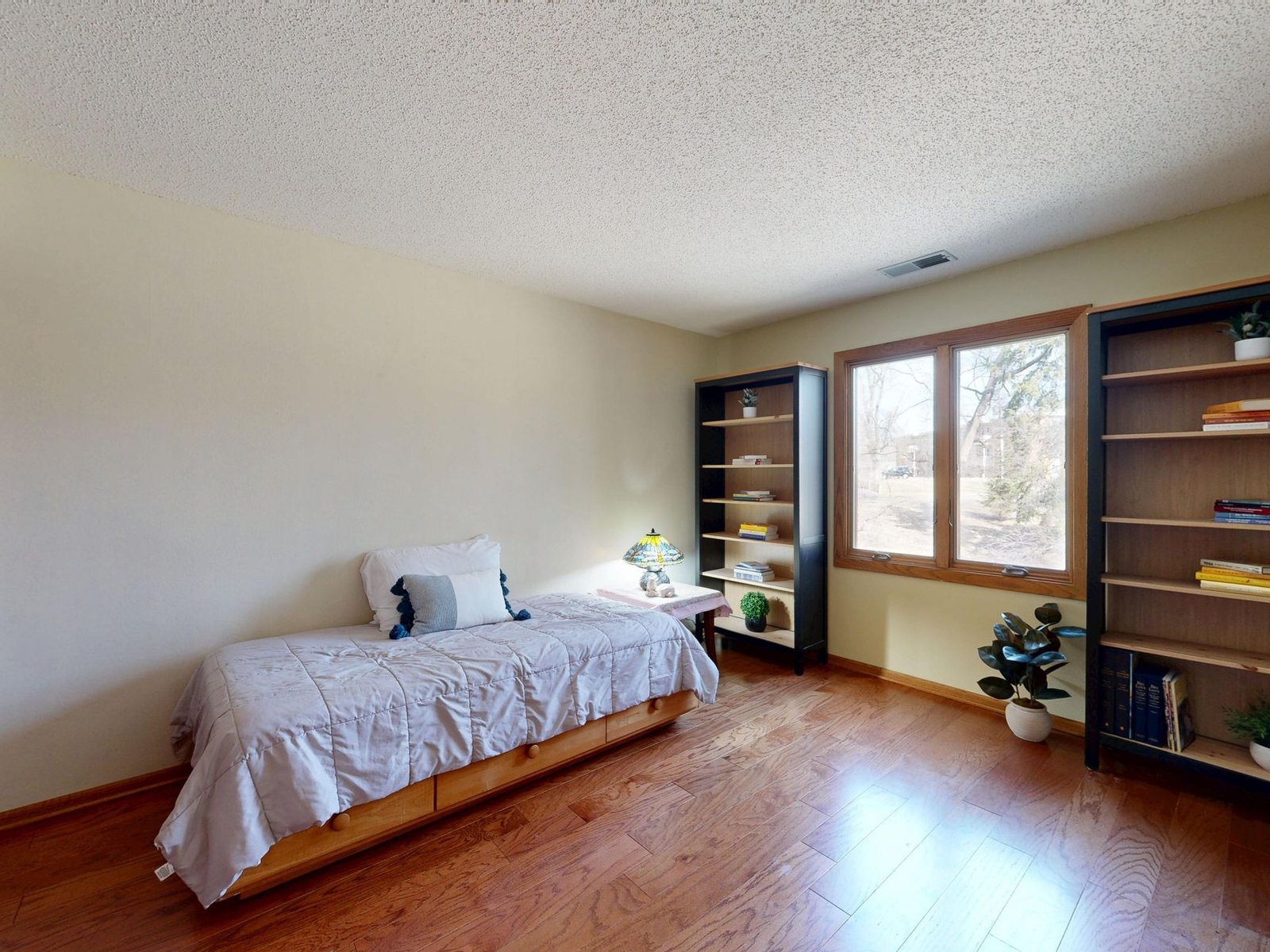
Why does the room nobody uses get the damp?
Warm air holds more water vapour than cold air, and vapour spreads through a house on its own, from damp areas towards the rest. Cooking, bathing, breathing and drying washing load the warm rooms with it. Some of it reaches the spare room through the gap under the door or the landing.
Once it is there, it meets surfaces well below room temperature, particularly external walls, the window and the corners. When air cools against a surface to its dew point, the water turns to liquid on that surface. That is condensation, and it needs only two things: moisture in the air and a cold surface to land on. A spare room with the radiator off and the door shut has the second in abundance.
Wyre Forest District Council’s guidance makes the same observation: condensation often forms in rooms that are not used or heated, such as spare bedrooms, rather than in the rooms where the moisture is produced. It names excess moisture, poor ventilation and cold surfaces as the three factors, and says all three need attention.
Condensation in spare room: where to look first
It does not usually show on the open wall. It collects where the air is still and the surface is coldest:
- The window glass, sill and frame.
- The top corners of external walls and the ceiling edge.
- Behind wardrobes, beds, bookcases and boxes pushed against an outside wall.
- Inside wardrobes and cupboards, including the back panel.
Council guidance lists wardrobes and the backs of furniture as typical spots, which fits the mechanism: furniture traps still air against a cold wall. I cover that in mould behind furniture, and the wall and ceiling version in condensation on walls and ceilings.
Check that it is condensation and not a leak. Condensation spreads in the cold corners and wipes off the glass. A brown tidemark, a patch that is wet after a dry spell, or damp that sits under a pipe or below a roof edge points to a different cause, and a different job.
Give the room background heat and a door left ajar
Most people go wrong here, and I would argue it is the single biggest lever. A cold room next to a warm one does not stay dry by being left alone. It collects the moisture the warm side sheds.
Wyre Forest’s advice is to heat the whole home to a lower, steady temperature rather than one room to a high temperature, and to keep the doors of unheated rooms open so some heat can reach them. The council also warns off portable bottled gas heaters because they release a lot of moisture, and suggests low-setting electric heaters instead.
A radiator turned right down, or a thermostatic valve set low rather than off, is usually a sensible start. I have not measured the wall temperature in your room and neither has anyone else, so treat that as a starting point, and watch the window.
There is a trade-off. An open door lets warm damp air in, and it also lets some warmth in. If the rest of the house is humid, an open door to a cold room can make things worse. Fix the moisture at source first: the how to lower humidity in a house guide covers it, including drying washing somewhere that is not the landing.

Clear the walls and open up the wardrobe
Because the cold surface is the problem, the next job is to let air reach it.
- Pull beds, wardrobes and bookcases a few centimetres off external walls. Council guidance says not to keep furniture and beds hard against walls so air can circulate, and suggests placing large pieces against internal walls where you can.
- Do not overfill wardrobes. Pack them so air can get between clothes, and leave the doors open now and again.
- Raise stored boxes off the floor on blocks or a shelf, and avoid stacking against the outside wall.
- Do not hang damp towels or drying clothes in there to “use the space”.
None of this adds heat. It just stops still pockets from forming on the coldest bit of wall.
Is a spare room worth ventilating?
Short bursts, yes. A window open for a few minutes with the door shut lets damp indoor air out, when the outside air is drier. Leaving it open all day in winter just chills the walls further, which defeats the purpose.
How you know if it is working is a thermometer-and-hygrometer reading, not a hunch. ENERGY STAR gives 30 to 50 per cent relative humidity as the target for indoor air. A cheap hygrometer in the spare room that sits above that for days while the rest of the house is lower is telling you the room is the damp one.
Can a dehumidifier help in a cold spare room?
Sometimes, but this is where the usual advice goes wrong. A compressor dehumidifier works by chilling a coil so water condenses on it. In a cold room that coil is already close to freezing.
GE’s own documentation says frost can form faster than the machine clears it when the room is below about 5°C / 41°F, at which point the compressor cuts out and you get a block of ice rather than a tank of water. Output also falls away well before that, as the room cools. I explain the fault in why a dehumidifier freezes up and cover what suits cold spaces in using a dehumidifier in winter.
In practice that means a compressor machine in a spare room only makes sense when the room is warmed first. If you are ignoring the heat and hoping the machine fixes the room, you are running it in its worst conditions. A desiccant model copes better with cold, but it is a tool for a stubborn room, not a substitute for warmth and airflow.
What to do about mould that has already formed
Mould comes from the same moisture. Wiping it off without changing the cause only buys you a few weeks. Clean small patches, dry the surface, and then fix the heat, doors and furniture. The EPA’s rule of thumb is that areas larger than about 10 square feet (roughly 1 square metre) are a job for a professional, and damp that keeps returning after cleaning means the water is still arriving.
A spare room needs a little heat, an open door and air behind the furniture
That is the short version. The room stays damp because it is cold and shut off, not because it is used wrongly. Keep some background heat in it, leave the door ajar when the rest of the house is not damp, pull the furniture off the outside walls, and check the humidity with a gauge rather than guessing. A dehumidifier is the finishing step in a warmed room, not the first fix for a cold one.
FAQ
Why is there condensation in my spare room but not other rooms?
The spare room is usually the coldest room, because it is unheated and the door is shut. Damp air from warmer rooms drifts in, meets cold surfaces and condenses there. The other rooms are warmer, so the same air does not reach its dew point on their walls.
Should I leave the spare room door open or closed?
Open if the rest of the house is reasonably dry and you want a little warmth to reach the room. Shut if the rest of the house is humid and the room is cold, because an open door lets that damp air in. Fix the moisture source, then decide.
Should I heat an empty spare room?
A little steady heat is better than none. Council guidance suggests heating the whole home to a lower constant temperature rather than a single room to a high one. Keep it low and steady rather than blasting it occasionally.
Will a dehumidifier stop condensation in a spare room?
It can reduce the moisture, but it does not warm the walls. A compressor machine can also freeze in a very cold room, so warm the room before relying on it.
Is condensation in a spare room dangerous?
Condensation itself is only water. If it keeps recurring, mould can follow, which is why the cause is worth fixing early. For widespread mould, follow official guidance and take advice rather than guessing.

