
Last Updated on October 25, 2026 by Umar Farooq
North facing wall condensation happens because a wall that never sees direct sun stays colder than the rest of the house, so moisture in the room air turns to water on it first. Sun is free heating, and the north side of a house in the northern hemisphere does not get any.
I always check the compass before I check the humidity. It is not glamorous, but a room where every wall is the same temperature rarely has one wall running with water.
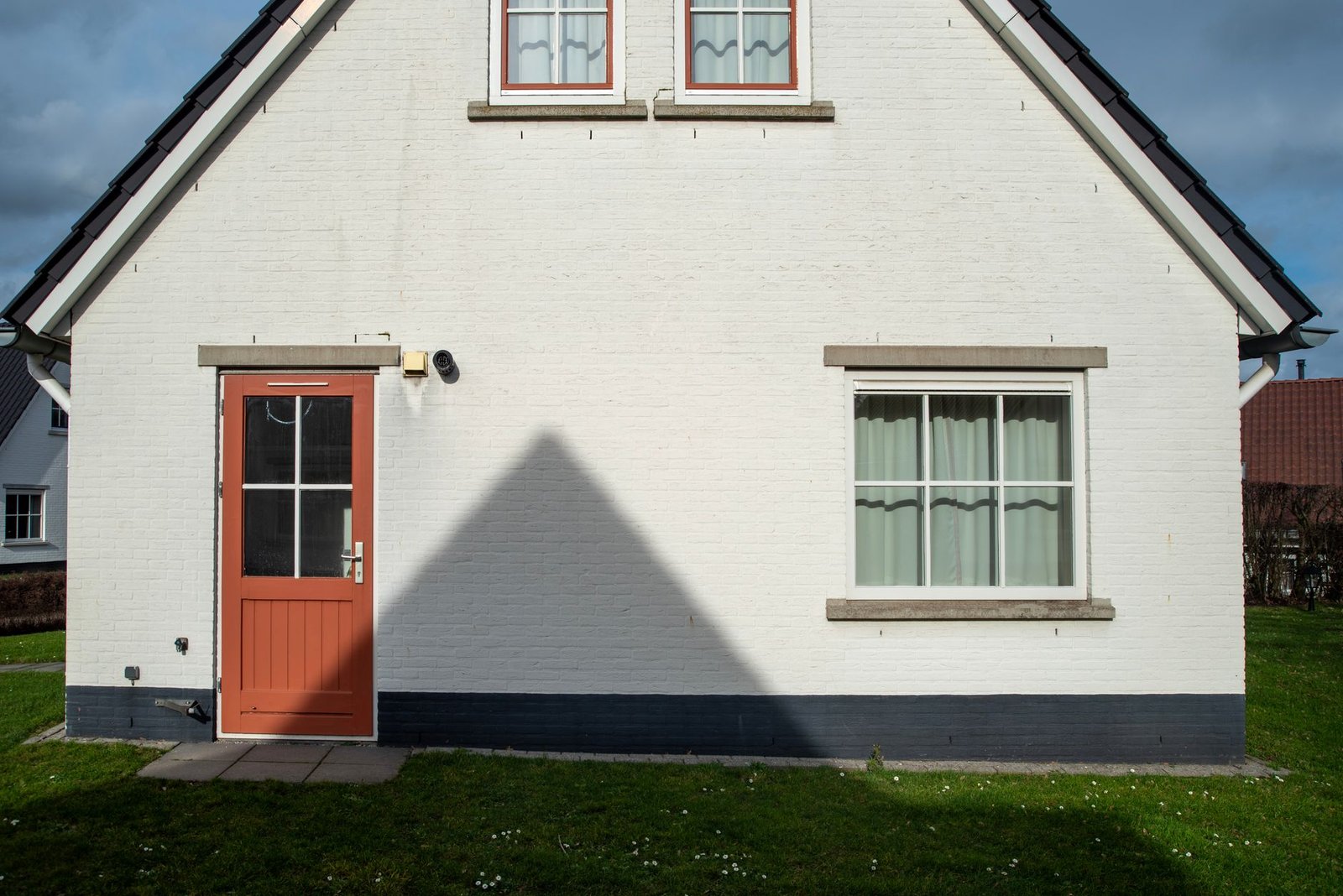
A note on direction: this article says north because most of my readers are in the northern hemisphere, where the sun sits in the southern half of the sky. If you live in the southern hemisphere, the same story applies to your south-facing walls. The rule is simple: the wall that gets the least direct sun is the cold one.
Why a wall that never sees the sun is the one that sweats
Condensation needs two things: humid air and a surface colder than that air can cope with. The UK government’s damp and mould guidance describes condensation as moisture generated inside the home cooling and condensing onto colder parts of the building. A council advice page I read says plainly that condensation is usually found on north facing walls, along with corners and windows.
The reason is solar gain, which is a posh way of saying a south wall gets baked for a few hours and a north wall does not. On a cold day the sun-warmed wall slowly warms the room behind it. The north wall just loses heat to the outside, hour after hour, so the plaster on its inner face sits at a lower temperature than the other three walls.
I will not give you a temperature gap, because it depends on wall construction, local climate and how much heating you run, and I have not measured yours. The direction of it is the safe point: shaded, cold, wet. For the same mechanism on any wall, see condensation on walls and ceilings, which also covers how to tell it from a leak.
Why does it keep returning to one room?
It is rarely the whole house. It is the north bedroom, the back room, the rarely used study. Three things stack up there:
- Less sun on the wall and the windows, so less free heat.
- Less heating. Rooms that nobody sits in get the radiator turned down or off, which cools the walls further.
- Doors left shut. Warm, damp air from the kitchen and bathroom drifts into the cold room and cannot get back out.
That third one is the sly one. The moisture is made in one room and delivered to the coldest wall in the house, rather like a postal service nobody asked for. A cold surface is also the reason why your walls sweat in a cold snap before the room air has warmed up.
When furniture sits on a north wall, it hides the damp
A cold wall is bad. A cold wall with a wardrobe pressed against it is worse, because the furniture stops room air reaching the surface to warm and dry it. The same council page notes that condensation builds up where air barely circulates, such as behind wardrobes and beds pushed against outside walls, and suggests keeping a small gap and putting large furniture on inside walls where possible.
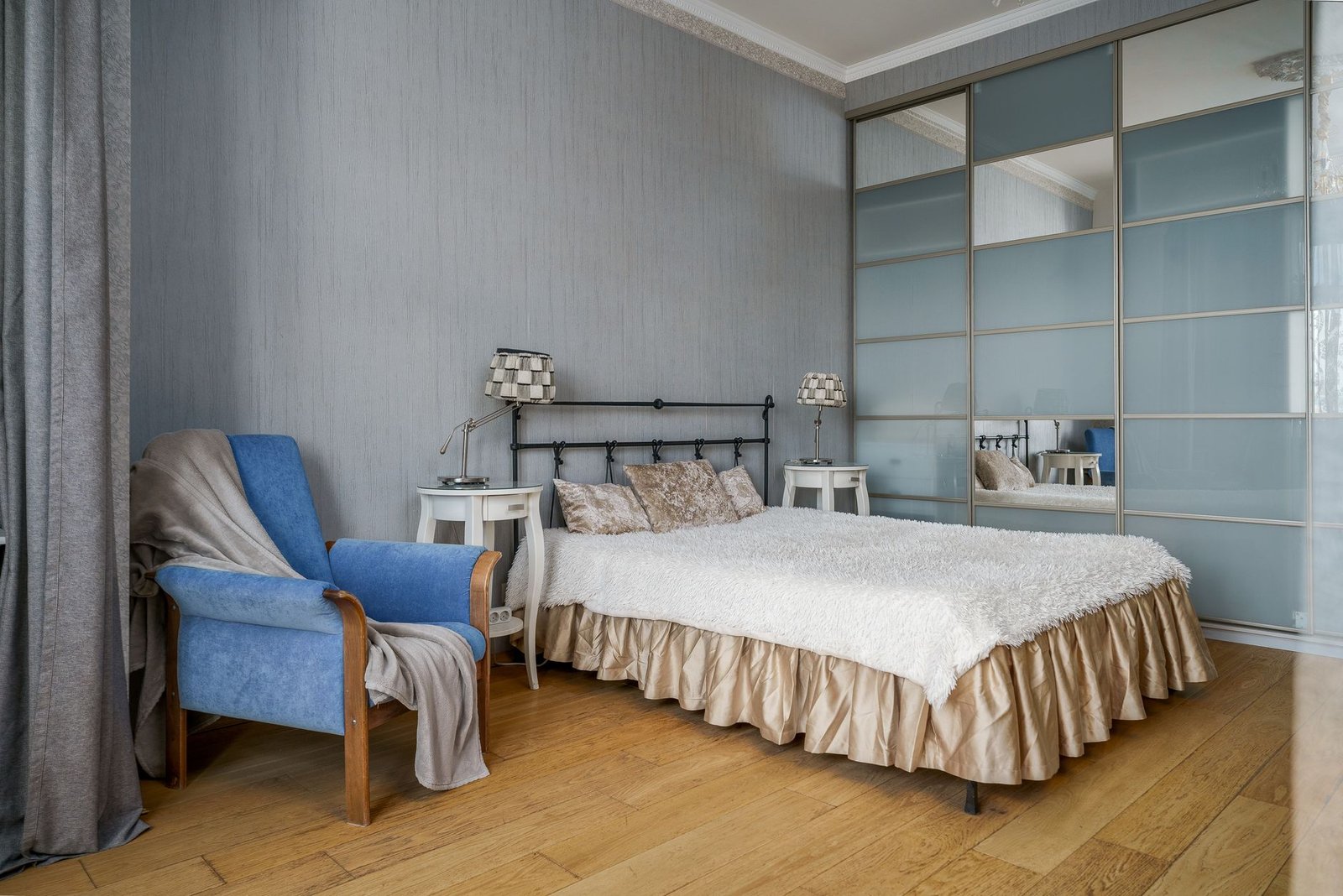
If the north wall is the only free wall for the bed, then it is, and you have to live somewhere. But you can pull the furniture forward a few centimetres, which I cover in more detail in mould behind furniture, including a gap size I stress is judgement rather than a standard.
How to cut north facing wall condensation without touching the walls
You do not need a builder to test whether this is a habit problem. In this order:
- Heat the room steadily rather than in bursts. The council page recommends a medium to low background heat in all rooms, with at least 15 degrees as their floor, and warns that heating one room hard while others stay cold makes the cold ones worse. That is their guidance for their area, so treat the 15 as a starting point rather than a law.
- Keep the door of the cold room shut when the kitchen and bathroom are steaming, and the bathroom door shut when you shower, with the fan on. Fewer wet-air deliveries means less moisture to condense.
- Leave a gap behind big furniture and move the biggest pieces to inside walls if the layout allows.
- Ventilate in short, wide bursts after cooking, showering or drying washing, rather than leaving a window tilted all day.
- Measure the room. A cheap hygrometer tells you whether the air is part of the problem. The EPA advises indoor relative humidity below 60 percent, ideally 30 to 50 percent, in its brief guide to mould, moisture and your home. Where the number is high, lowering the humidity in the house is the tidiest fix, and a dehumidifier is one way to do it.
My honest view: the heating habit matters more than anything else on that list. A north wall at a steady, modest temperature gives condensation far less to work with than the same wall that swings between freezing and a 30-minute blast from a heater.
Does a dehumidifier help on a cold north wall?
It helps by removing moisture from the air, so less of it reaches the wall. It does not warm the wall. Think of it as a second line of defence behind heat and ventilation, not a replacement.
When it is the wall rather than the habits
If you hold humidity under 60 percent, keep the room heated steadily and leave a gap, and the same wall still runs wet, the wall itself may be the issue: a solid wall with little insulation, a cold spot such as a lintel or corner, or a leak. I will not sell you a fix here, because the right one depends on a survey, and some of the cheaper answers (draught-proofing, thicker curtains on the right side, fixing a leaking gutter) have nothing to do with the wall at all. A wet patch that spreads up from the floor or follows rain is a different problem from condensation.
Treat the cold wall like the cold side of the house it is
North facing wall condensation is mostly a cold, shaded surface meeting damp air, and most of what you can do about it is cheap: steady heat, a gap behind the furniture, the right door shut at the right time and a hygrometer to keep you honest. Do those for a few weeks, then check the wall again before you spend anything on it.
FAQ
Why do north facing walls get more condensation?
They receive little or no direct sun in the northern hemisphere, so their surface stays colder than the other walls. Moisture in the room air condenses on the coldest surface it touches first.
Do south facing walls get condensation too?
They can, particularly in a cold spell or behind furniture, but the sun warms them for part of the day, so it is usually less severe. In the southern hemisphere the picture is reversed, and the south wall is the shaded one.
Does keeping the heating on all day reduce condensation on a north wall?
A steady low background heat generally helps, because it keeps the wall surface warmer and the air able to hold its moisture. Short, intense bursts of heat followed by long cold periods tend to make it worse.
How far should furniture be from a north wall?
There is no official figure. My judgement is a few centimetres, about 5 cm or 2 inches, with large pieces on inside walls where possible, so air can circulate behind them.
Is condensation on a north facing wall a sign of damp?
Not necessarily. Surface condensation is a moisture-in-the-air problem. It is worth checking for a leak or rising damp only if the wet patch spreads, appears away from cold spots, or returns despite good heating and humidity control.

