
Last Updated on October 23, 2026 by Umar Farooq
How often to empty a dehumidifier: about once a day in a normally damp home, up to twice a day in a wet basement, and every few days in a dry or cold room. The real answer is “when the tank is full”, which the machine will tell you, and then stop working until you do something about it.
That last part is the catch. I’ve lost count of the people who think their dehumidifier is broken when it has simply politely clocked off with a full bucket and no one noticed.

How often to empty a dehumidifier: the arithmetic
You do not need a guide to tell you a number. You need two figures you can read yourself: how much your tank holds (it is moulded into the plastic or printed in the manual) and how much water the machine collects in a day. Divide the first by the second.
Here is that sum for a 4-litre tank (about 8.5 US pints), which is a typical size for a portable unit but not a universal one. Check yours. The collection figures are illustrative; they are not measurements from any particular machine.
| Water collected per 24 hours | Tank full after | What that usually looks like |
|---|---|---|
| 8 litres (17 pints) | 12 hours | A wet basement or a drying-washing room: twice a day |
| 4 litres (8.5 pints) | 24 hours | A properly damp house: once a day |
| 2 litres (4.2 pints) | 2 days | Moderate damp, or a machine that is mostly idle |
| 1 litre (2.1 pints) | 4 days | A room that is already near your target humidity |
Two things follow from that table. First, a bigger tank buys you time but does not change the amount of water; a 50 pint machine and a 20 pint machine in the same room will, in the end, pull the same moisture out of the air. The difference is how fast. Second, the number drifts. Collection is highest in the first few days, when the air is wettest, then falls as the room approaches your target. So the schedule you work out in week one is wrong by week three.
The pint rating on the box is a ceiling per 24 hours, not a promise. Energy Star rates capacity “in pints per 24 hours”, and most houses never get near it.
To find your own number, run the machine for two days, empty it at the same time each morning, and measure the water with a jug. Two readings beat any table, including mine.
What actually happens when you don’t
Nothing dramatic, which is the problem. On most portable units a float switch sits in the tank, and when the water reaches it the machine shuts off. Energy Star notes that most portable models use a removable bucket with a full-bucket warning and an automatic shutoff.
So a full tank does not flood the floor. It simply means the room is no longer being dried. Leave it overnight and you have paid for a machine to sit there doing nothing while the humidity climbs back up. For anything meant to stay under the 60% ceiling that the EPA gives for indoor humidity (30 to 50% is its ideal range), that gap is the whole job failing quietly.
Water left standing in a tank for days also goes stale. I won’t make health claims about it, because I can’t back them, but it smells, and the smell is the first thing you notice when you lift the lid.
Stop emptying it by hand if you can
Here is my one strong opinion on this. If you are carrying the tank to the sink every day, the machine is set up wrong, not used wrong. Emptying a bucket daily for a whole damp season is an hour or two of your life spent on a job a hose does for free.
The arithmetic above makes the case. At 4 litres a day you are lifting 4 kilos of water, once a day, for months. A drain hose on gravity removes the chore on any unit with a hose fitting, provided the hose runs downhill the whole way to a drain, sink or outside. Energy Star confirms some portable models take a hose straight on the bucket; check your manual before assuming yours does.
If the nearest drain is higher than the machine, which is typical in a basement, you want a dehumidifier with a built-in pump. It lifts the water up and out through a thin hose.
Where a hose is not an option (a bedroom, a rented flat), a manual schedule is fine. Put it on a daily habit you already have, such as emptying it when you make the first coffee, and the problem shrinks.
Signs it’s time before the light comes on
You do not have to wait for the full light. Four things tell you earlier:
- The tank is visibly near the top, which you can see through the translucent plastic on most designs.
- The machine is lighter or heavier than usual when you lift the handle, which is a decent guide by day three.
- The fan is running but the compressor has stopped while the room still feels damp, which can mean the float has tripped.
- The display shows a tank or full-bucket symbol.
If it says full and the bucket is empty, that is a different fault with a different fix.
When the tank is always empty
An empty tank after two days is information too, and it is usually one of three things.
The room is cold. Below about 5°C (41°F) GE says frost forms faster than the machine can clear it, so the compressor keeps shutting off and the fan just runs. A machine in an unheated garage in January can look like it is collecting nothing, because it is mostly defrosting. That is the wrong machine for the room, not a fault.
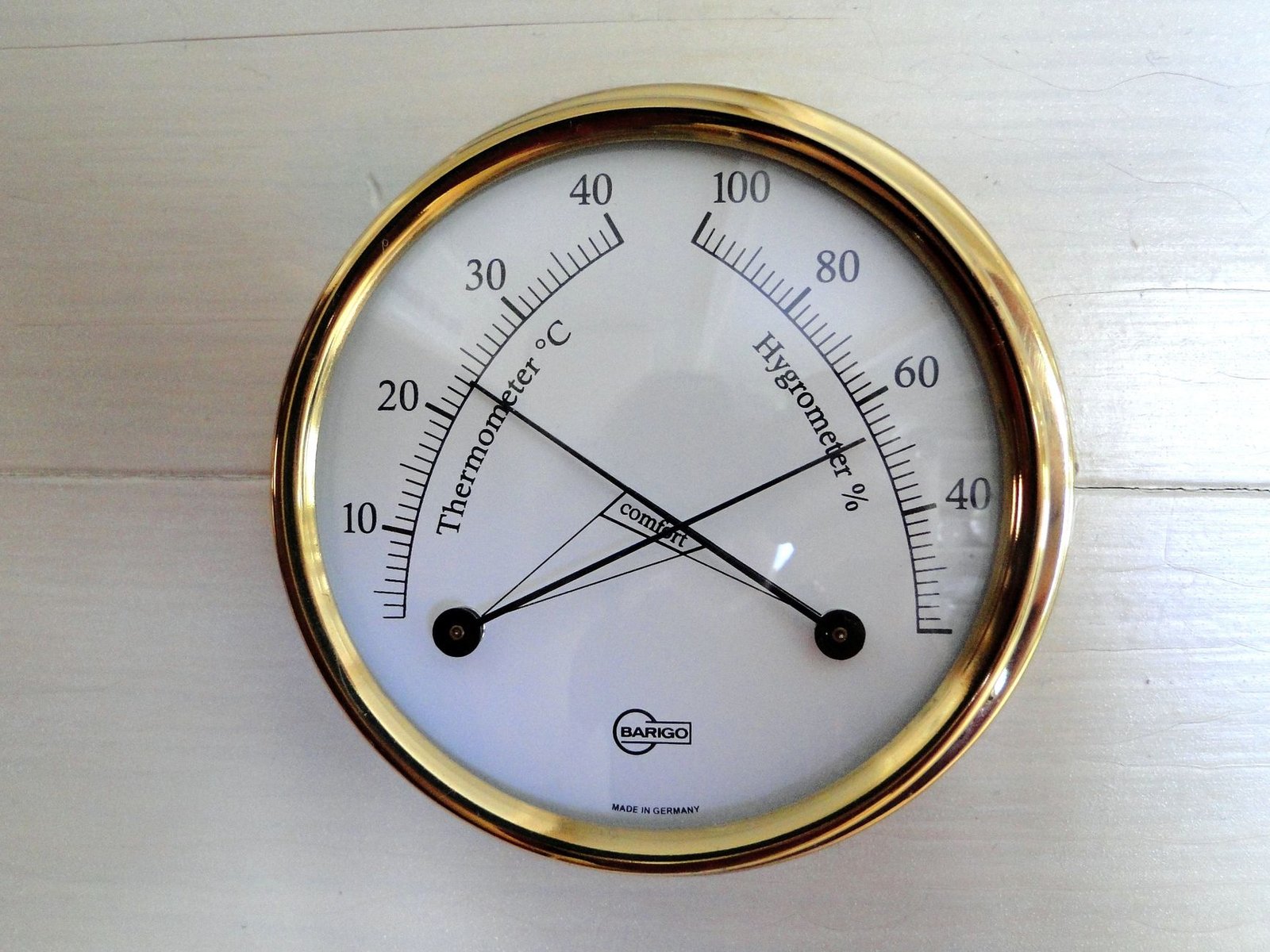
The room is already dry. If you set the target to 50% and the room is at 48%, the machine is doing its job by doing nothing. Check with a hygrometer before blaming the hardware.
Something is genuinely wrong. Only if the room is damp, warm, and the compressor is running should you reach for the not-collecting-water checks. Do the free ones first.
Emptying it properly

A short routine, because the mistakes are all in the details.
- Pull the tank out slowly with both hands. A full 4-litre tank weighs about 4 kg, and the lip sloshes.
- Pour the water into a sink, a bath, a drain or on the garden. I would not drink it, and what to do with dehumidifier water is covered separately.
- Give the tank a quick rinse. Once a month, wash it with mild soap; the full cleaning routine is the same five minutes that also stops the mustiness.
- Seat it back firmly. A tank that is not pushed fully home will trigger the full light even when it is empty, which is one of the commonest fixes of all.
If you’re emptying it every day, change the setup
The answer to how often to empty a dehumidifier is “as often as your tank fills”, and for most homes that is once a day for the first week and every two or three days after that. If it keeps being twice a day, a month in, the useful thing is not a faster routine. It is a hose or a pump, or finding where the water is coming from. A dehumidifier will always manage humidity, but it will never fix a wet wall.
And if you still go for the daily walk to the sink: fair enough. At least you will always know what the machine did.
FAQ
How often should you empty a dehumidifier?
Whenever the tank is full, which in a typically damp home is roughly once a day and in a wet basement can be twice a day. In a dry or cold room it may be every few days. Run it for two days and measure what it collects to get your own number.
What happens if you don’t empty a dehumidifier?
On most portable units a float switch shuts the machine off when the tank is full, so it stops drying the room until you empty it. The water itself does not normally overflow, though standing water will go stale and smell.
Can I leave a dehumidifier running without emptying it?
Only if it drains continuously. With a hose fitted and running downhill to a drain, or with a built-in pump, it can run unattended. Without one, it will run until the tank fills and then stop.
How do I know when my dehumidifier is full?
A full-tank light or symbol comes on and the compressor stops. You can also see the water level through the tank on most models, and a full tank is noticeably heavier.
Why is my dehumidifier not filling up with water?
Usually the room is cold, below about 5°C (41°F), or already close to your target humidity. If the room is warm and damp and the compressor is not running, there is a fault to check.
Can I use a hose so I never have to empty it?
On many models, yes. Some portable dehumidifiers have a fitting for a hose directly on the bucket. Check your manual, and keep the hose running downhill the whole way.

