
Last Updated on October 26, 2026 by Umar Farooq
Does hydrogen peroxide kill mold? On hard, non-porous surfaces it can inhibit and clean it; inside porous materials it is unlikely to work, and the EPA’s point is that killing mould is not enough, because it has to be removed. The fizz looks decisive. The fizz is, sadly, not an exam result.
Peroxide has a good reputation among people who dislike the smell of vinegar and the look of bleach. Fair enough. It’s gentler than either, which also means it’s easy to over-trust.
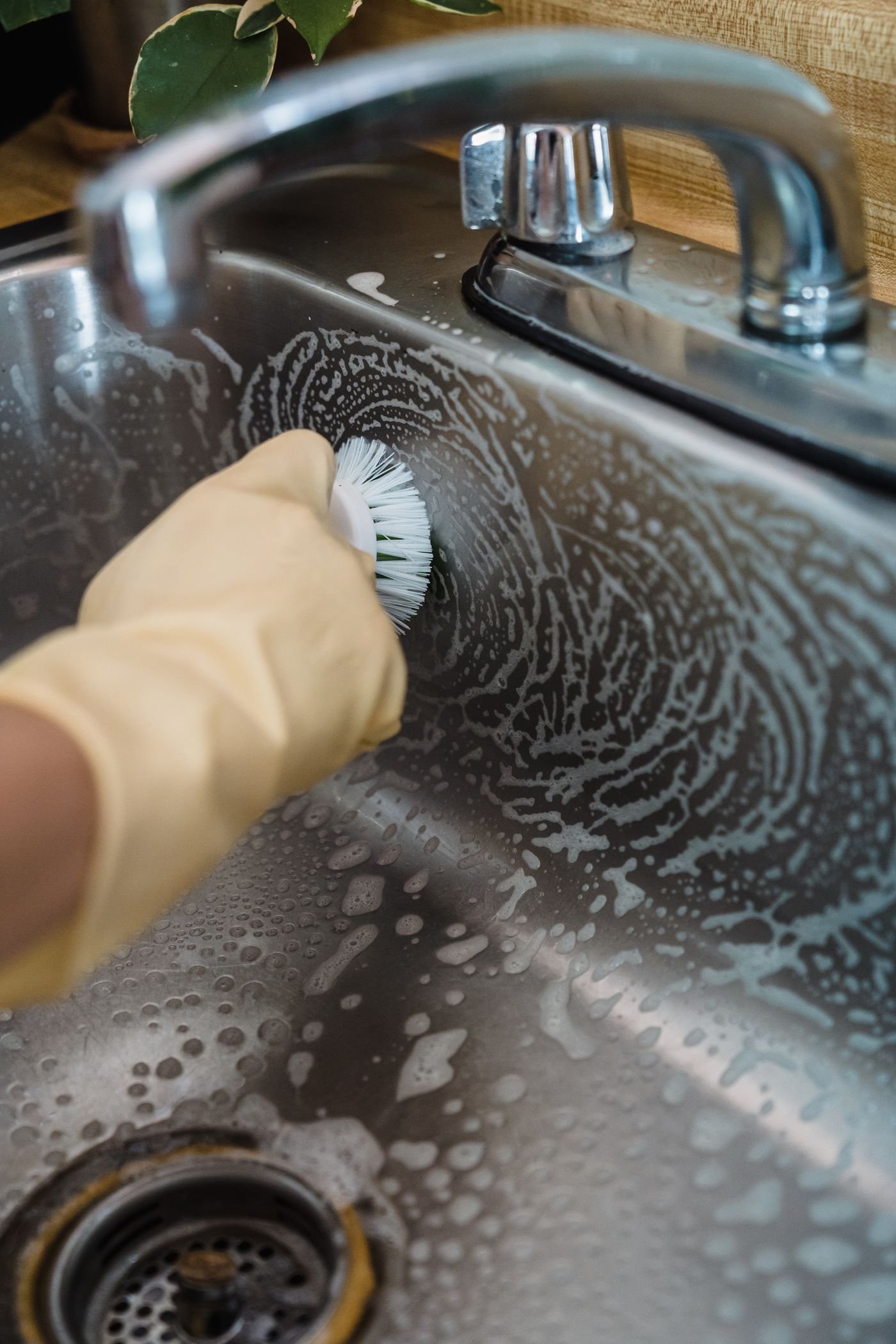
Does hydrogen peroxide kill mold, or just bleach it?
Peroxide is an oxidiser: it attacks organic material chemically, which is the bubbling you see when it meets a dirty surface. Healthline, summarising a 2013 study of five antifungal agents against six common indoor fungi, reports that peroxide may inhibit fungal growth on solid surfaces but isn’t likely to be effective at killing mold on porous ones. I could not open the paper itself, so I am relying on Healthline’s description of it.
Whatever the lab result, the EPA is clear about priorities. It says it is not enough to simply kill the mold; it must also be removed, and that using a biocide is not recommended as a routine practice during mould cleanup. A sterile patch you left in place is still a patch.
Where peroxide helps and where it is a waste of time
| Surface | Peroxide result | Why |
|---|---|---|
| Tile, glass, glazed ceramic | Reasonable on a small patch | Hard and non-porous; the mould sits on top |
| Sealed worktops, plastic, metal | Reasonable | Same logic as above |
| Grout | Limited | Porous; mould can sit below the surface |
| Plasterboard, wood, ceiling tile | Unlikely to reach it | Porous; the EPA says it may have to be replaced |
| Fabric, carpet | Poor, and it may bleach | Porous, and peroxide is a bleaching agent |
The one I’d stress is the last row. Peroxide lightens things, so test a hidden corner before you spray a coloured fabric or painted surface. That’s general caution, not a figure from a study.
If you want the porous-versus-hard mechanism drawn out, does alcohol kill mold has the diagram, and does vinegar kill mold has the one lab test I could verify. The physics is the same for peroxide.
Five safe steps for a small patch on a hard surface
Never mix hydrogen peroxide with vinegar: the two can form peracetic acid, which is harsh on skin and lungs. The EPA also says never to mix bleach with ammonia-based cleaners; as a rule I would not combine any two cleaning products. Wear gloves and eye protection, and ventilate the room.
- Fix the water first. Otherwise you’re back here in a month.
- Pour 3% household peroxide into a spray bottle and coat the mouldy area. Healthline’s method uses the standard 3% drugstore strength.
- Leave it about 10 minutes, or until it stops bubbling.
- Scrub with a brush or cloth to physically lift the mould. This is the step that matters.
- Wipe clean and dry completely with a cloth or a fan.
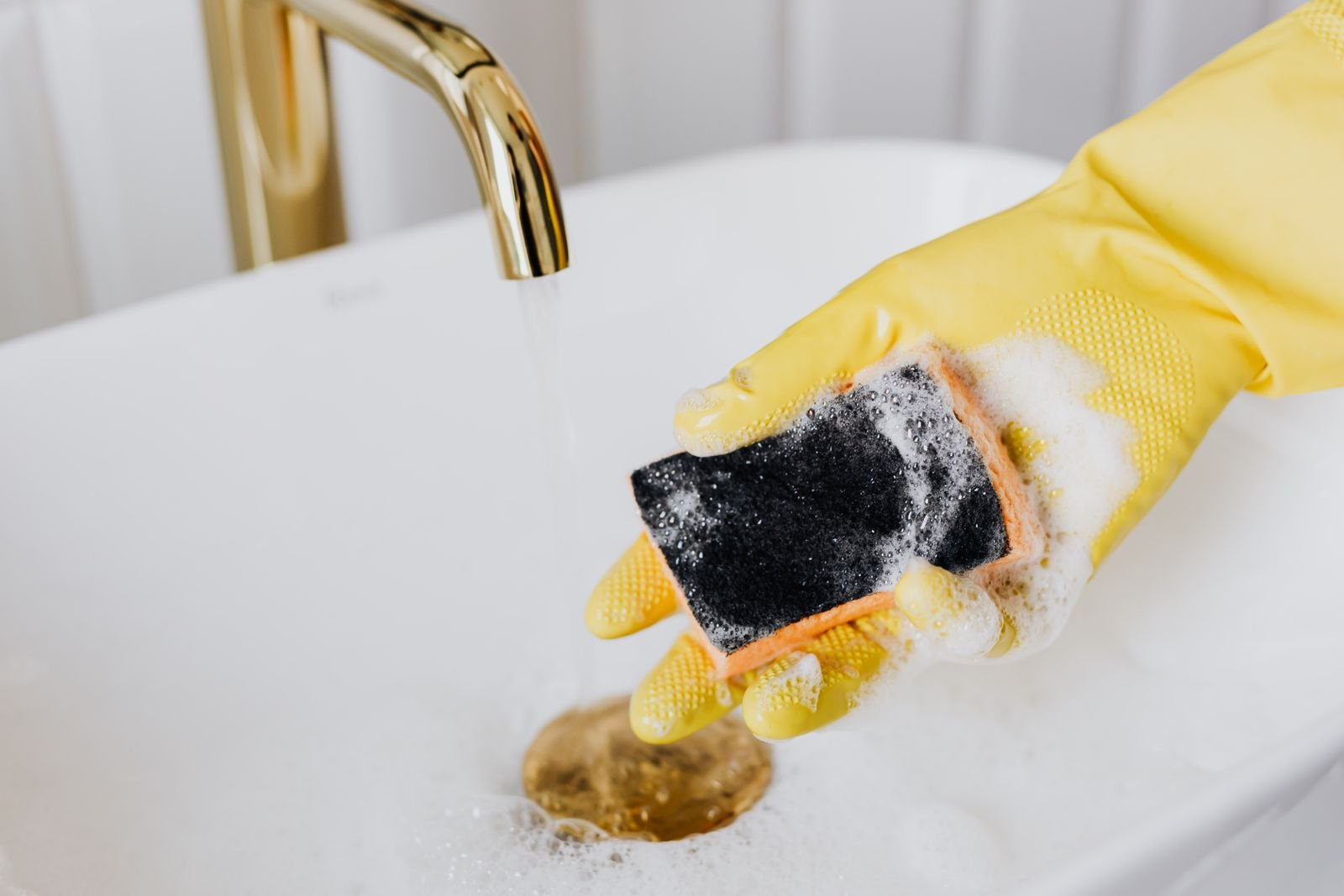
Keep the bottle in its original dark container. Peroxide breaks down in light and heat, so a spray bottle of it left on a sunny windowsill gets weaker. That’s general chemistry, not a measurement from me.
Peroxide, vinegar, bleach or detergent: my pick
My opinion: detergent and water first, because it removes mould and the EPA recommends it for hard surfaces: scrub mold off with detergent and water, and dry completely. Peroxide is a decent second choice for a stubborn spot on a hard surface because it’s less smelly than the alternatives. I have not measured any of these against each other and I distrust sites that rank them with confidence.
Does bleach kill mold covers the strong option and why it is not routine either.
Dry the surface and fix the water, or none of this lasts
The EPA’s line is the one that settles every cleaner argument: the key to mould control is moisture control. A wiped, dry tile stays clean; a wiped, damp one doesn’t. Aim for indoor humidity below 60%, ideally 30-50%, and see what indoor humidity should be for how to check it.
If the patch is bigger than the EPA’s roughly 10 square feet (about 1 square metre), or follows flooding, it’s beyond a spray bottle.
Peroxide cleans a small hard patch, but only drying and fixing the damp keeps it clean
So, does hydrogen peroxide kill mold? On a smooth surface, it helps, and scrubbing helps more. Inside walls, wood or carpet it won’t reach. The mould only stays away once the surface stays dry, so spend the effort on the water, not the bottle.
FAQ
Does hydrogen peroxide kill mold spores?
I can’t give a trustworthy kill figure. Healthline’s reading of the 2013 study is that peroxide may inhibit growth on solid surfaces, not that it sterilises. The EPA says it isn’t possible or desirable to sterilise an area; spores that remain will not grow if the moisture problem is resolved.
Is hydrogen peroxide better than bleach for mould?
I haven’t seen head-to-head evidence I’d trust. Peroxide is milder and less smelly; bleach is stronger and the EPA does not recommend it as routine mould treatment. Neither fixes porous material or the damp.
Can I use hydrogen peroxide on drywall or wood?
It is unlikely to reach mould inside them, and it may lighten the surface. The EPA says porous materials may have to be thrown away if they become mouldy.
Can I mix hydrogen peroxide and vinegar?
No. The combination can form peracetic acid, which is harsh. Use one product at a time and rinse between them.
Will hydrogen peroxide stop mould coming back?
No. Mould returns when the surface is damp again, so fix the leak or condensation and dry the area.

