
Last Updated on October 25, 2026 by Umar Farooq
Can high humidity set off smoke alarms? Yes: steam, condensation and very damp air can make a smoke alarm sound, most often one mounted near a bathroom, kitchen or utility room. A dirty or ageing alarm can behave the same way, so it is worth sorting out which one you have.
Kidde, who make the things, put it bluntly: “High humidity levels, steam and condensation may cause false alarms.” The annoying part is that the alarm is doing its job badly, not failing to do it.
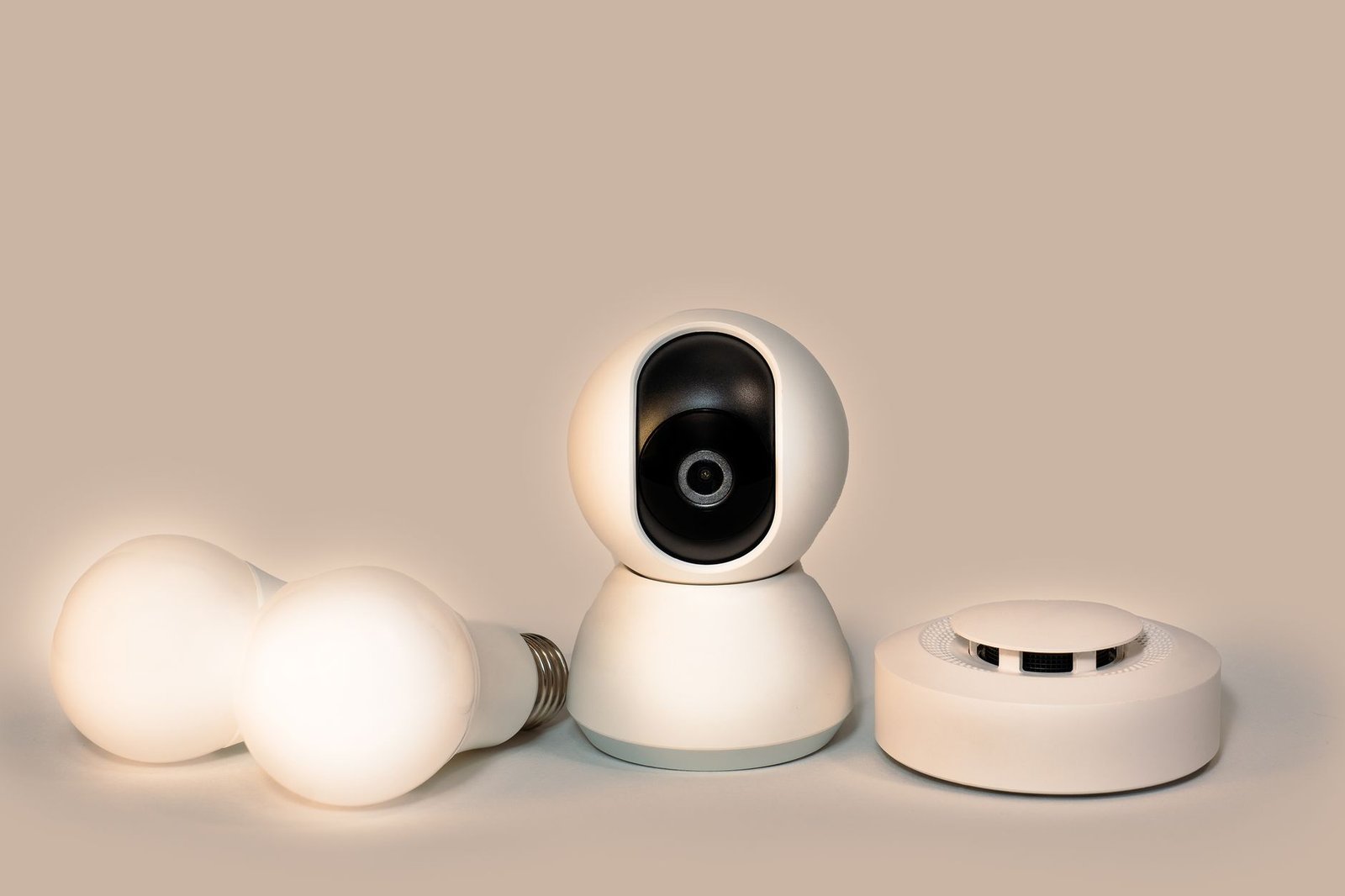
Why steam looks like smoke to a sensor
A smoke alarm does not recognise smoke. It notices particles in a small chamber and reacts to a change.
Steam is not a gas in the usual sense. It is a cloud of tiny water droplets, and a cloud of droplets in the chamber is, to a sensor, a cloud of something. Kidde’s guidance is that ionisation alarms respond to invisible fire particles and photoelectric (optical) alarms respond to visible smoke particles. Its UK support page adds that an ionic alarm sitting where vapour forms may be worth swapping for an optical one, which it calls “more tolerant” of steam and damp air.
Two caveats from me. First, alarm makers do not all give identical advice, so read the instructions for your model before swapping anything. Second, an optical alarm is more tolerant, not immune. A properly steamy room will still get to it.
Is it humidity or a fault? Check the pattern
The timing tells you most of what you need.
| What you notice | Likely cause | First thing to try |
|---|---|---|
| Sounds a minute or two after a shower, then stops | Steam reaching the alarm | Door shut, fan on, see fixes below |
| Sounds while cooking | Cooking fumes or steam | Extractor on, kitchen door shut |
| Sounds at night or early morning in muggy weather | Damp air or condensation inside the alarm | Check house humidity |
| One short chirp every minute or so | Usually a low battery or end-of-life warning, not humidity | Follow the model’s manual |
| Sounds with no obvious trigger, in dry weather | Dust, insects or a faulty unit | Clean it as the manual says, replace if old |
The chirp row matters. A single repeated chirp is the alarm’s way of asking for attention and is a different message from a full alarm. Check the manual, because the code varies between models.
Five ways to stop false alarms without losing the alarm
Never take the battery out or cover an alarm to stop it sounding, even briefly. If it sounds and you can smell burning or see smoke, treat it as real, get out and call the fire service. Sort the nuisance triggers only once you are sure there is no fire.
- Stop the steam travelling. Close the bathroom door during and after a shower, and run the extractor. The EPA’s advice is to “run the bathroom fan or open the window when showering”. If your fan is sluggish, this guide to bathroom fans that do not clear steam will help, and there is a separate look at whether to leave the door open or closed after a shower.
- Move the alarm away from the steam path. Kidde UK suggests moving it a little further from the bathroom or washroom door. Alarms normally have placement rules in the manual (and in local regulations), so move it within those, not wherever is convenient.
- Use the right type for the spot. Where the position cannot change, ask the maker or your local fire and rescue service whether an optical alarm or a heat alarm suits that room. I would not guess on a fire-safety device.
- Keep it clean. Dust in the chamber lowers the threshold for a false alarm. Follow the cleaning method in the manual, usually a gentle vacuum around the vents, and replace the unit at the age the maker states.
- Lower the humidity of the house itself. If alarms sound in muggy weather with nobody showering, the air is the problem. Keep the reading under the EPA’s 60%, ideally 30-50%, and see how to lower humidity in a house.
Can high humidity set off smoke alarms with nobody showering?
Yes, and it is the version that confuses people.
On a still, muggy night the air in a bedroom or hallway can be damp enough, or cool enough at the alarm, for moisture to settle in or around the sensor. You get a nuisance alarm at 3am with a dry bathroom and a quiet kitchen. This is more likely in a house with a general damp problem, so put a hygrometer where the alarm sounds and read it over a few days. Anything stuck well above 60% points to the house, not to the alarm.
If a hygrometer is new to you, where to put one saves a few classic mistakes.
Fix the damp air, then keep the alarm exactly where the manual says
The short version: humidity can set off smoke alarms, and the cure is to move the moisture, not the safety. Shut the door and extract the steam, keep the alarm clean and sensibly placed, check the type is right for the room, and bring the house humidity under 60%. Never remove the battery, because the one night it matters is the night you did.
FAQ
Can steam from a shower set off a smoke alarm?
Yes. Steam is a cloud of fine water droplets, and a sensor can mistake it for smoke, especially when the alarm is close to the bathroom door. Keep the door shut, run the fan, and ask whether the alarm needs moving.
Do photoelectric or ionisation alarms handle humidity better?
Kidde says optical (photoelectric) alarms are more tolerant of steam and damp air than ionic ones. Neither type is immune, and guidance varies by maker, so check your model’s manual.
Why does my smoke alarm go off at night when it is humid?
Damp, cool air can settle in or around the sensor and be read as smoke. Check your house humidity with a hygrometer. If it sits above 60% for days, treat the damp, not just the alarm.
Is it safe to take the battery out when it keeps going off?
No. An alarm with no battery protects nobody. If the cause is steam, fix the steam; if it keeps happening, move, clean or replace the alarm according to the manual.
Does a dehumidifier stop smoke alarms going off?
It can help when the cause is generally damp air in that part of the house, because it lowers the humidity the alarm sits in. It will not help against shower steam released right beside the alarm. Extraction and placement are the first fixes.

