
Last Updated on October 25, 2026 by Umar Farooq
Why are there flies in my extractor fan? Because a fan duct is a warm, dark tunnel with an opening to the outside, and flies get in from three places: the outside end of the duct, the loft or wall cavity where cluster flies spend winter, or the room’s own drain. Work out which fly it is and the fix follows.
Nothing makes a person look up at a ceiling grille like a fly dropping out of it during a shower.
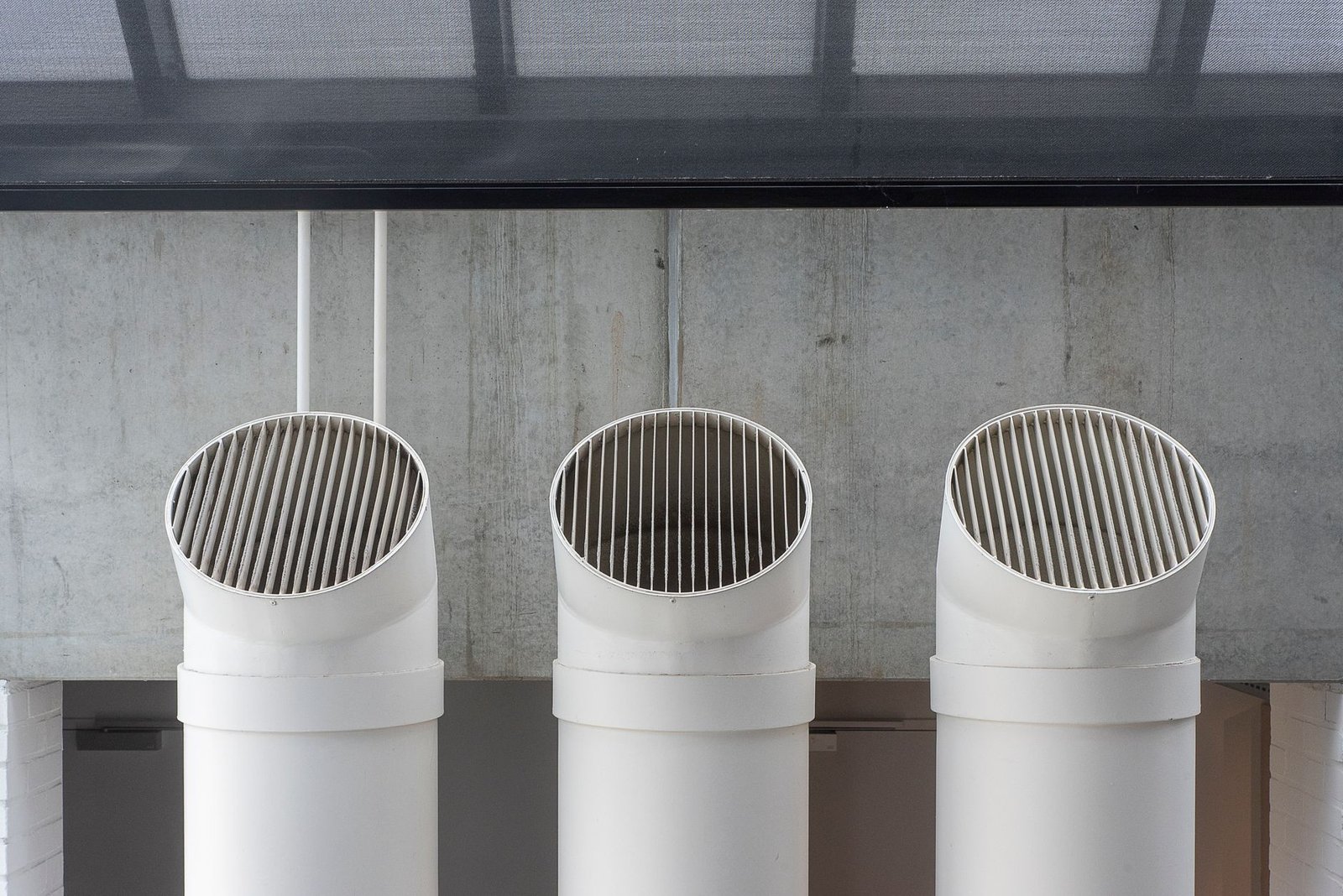
Why are there flies in my extractor fan? First, work out which fly
| Clue | Probably |
|---|---|
| Slow, sluggish flies, often in autumn or winter, gathering at windows | Cluster flies waking up from the loft or a wall cavity |
| Tiny, dark, hairy, moth-like flies that hop short distances, mostly near the bath, basin or shower | Drain (moth) flies breeding in the slime inside a drain |
| Fast, large flies in numbers, with a smell from the loft or ceiling | A source such as a dead animal or rotting food, which needs finding |
Cluster flies are the usual winter story. Oxford City Council’s pest advice says they gather in roof spaces and lofts, sometimes in the thousands, and a building may be chosen year after year. A warm spell or the heating coming on wakes them, and they go looking for light, which may be down your duct.
Drain flies are different. The University of California’s integrated pest management guide says that in homes the most common breeding site for moth flies is the bathroom drain, where eggs are laid in the slime coating the pipe. They rarely travel far from where they hatched, so if they are in a bathroom, the plughole is the first suspect.
Four ways flies reach the fan
- Through the outside end. A missing, stuck-open or broken flap, or a grille with gaps, is an open door. This is where what the outside flap is for matters: a flap that closes fully is a barrier.
- From the loft or cavity. If the duct runs through a roof space, a badly joined duct or a gap round the fan housing lets cluster flies in from above. Lofts also collect damp, so check that the duct is not venting into the loft.
- From the room itself. Drain flies breed in the plughole, overflow or a dry trap. They hang around the damp air near the fan because it is warm.
- From the fan. Dust and grease in the fan and duct give them somewhere to settle, and a dead insect or nest in the duct draws more.
Four fixes, in the order I would try them
Switch the fan off at the isolator or consumer unit before removing a cover, and never spray insecticide into a fan, its housing or near its wiring. Leave electrical work to a registered electrician.
- Check and fix the outside end. Look for a missing or stuck flap and gaps. Oxford City Council’s advice for cluster flies is to cover vents with fine zinc gauze, fixed securely. Do not use mesh so fine that it clogs with dust and chokes the fan; see the five places a fan gets blocked.
- Deal with the drain if they are small and hairy. Remove the plug or strainer and scrape out the slime, which is where the larvae live. The UC guide says the key is eliminating breeding sites, and that boiling water and bleach give at best short-term control.
- Let the cluster flies out and proof the loft. A nozzle vacuum can remove those within reach, with the contents sealed in a bag. Seal gaps around pipes, overflows and soffits so they cannot return next year. If the infestation is large, a pest controller is the safe route.
- Clean the fan and duct with the power off, removing dead insects, dust and any nest, and check the duct is joined and sealed.
Call a pest controller if the flies arrive with a smell
A large number of flies with a smell from the ceiling or loft could mean something has died in the roof space. That is a job for a pest controller rather than a vacuum. The same goes for wasps or a nest you cannot reach.
If the flies come with damp, droplets or a stained ceiling, it is worth finding the moisture source too; why a fan drips water covers it.
Flies in an extractor fan are a sign of an open door, so close it and clean the source
Cluster flies want a warm winter bed and drain flies want slime. An extractor fan duct offers neither on purpose; it is just the nearest gap. Close the outside end with a proper flap and a sensible mesh, clean the drain, proof the loft, and keep the fan clean. That deals with nearly every case.
FAQ
Why are flies coming out of my bathroom extractor fan?
Either cluster flies waking up in a loft or wall void, or drain flies from the bathroom plughole. Cluster flies are sluggish and often appear in winter; drain flies are tiny, hairy and hop.
How do I stop flies getting into my extractor fan?
Make sure the outside flap closes fully and the grille has no gaps, add fine, secure mesh if needed without choking the airflow, and fix the source: the drain or the loft.
Are flies in an extractor fan a sign of a bigger problem?
Sometimes. A large infestation or a smell can point to something dead in the roof space, and a damp duct or ceiling points to condensation. Otherwise they are usually a nuisance.
Can I spray the extractor fan to kill the flies?
Do not spray into a fan or near its wiring. Switch it off, clean it, and treat the cause. If you need insecticide, use a pest controller.
Why do flies appear in my extractor fan in winter?
Cluster flies overwinter in roofs and walls and wake during warm spells or when the heating comes on, which is when they head for light and gaps.

