
Last Updated on October 24, 2026 by Umar Farooq
The clearest signs you need a dehumidifier are condensation on windows most mornings, a musty smell that returns after cleaning, mould spots, peeling paint, laundry that will not dry and a hygrometer stuck above 60%. One sign is a hint. Two signs plus a meter reading is a diagnosis.
I have a rule about this: believe the meter before the nose. A smell tells you something is wrong, and a reading tells you whether the air is the something.

Seven signs you need a dehumidifier, ranked by how far to trust them
Not every sign is equal. Some are almost always about humidity, others are about humidity only half the time. This table ranks them by that, with the check that settles each one.
| Sign | How much it points to damp air | The check that settles it |
|---|---|---|
| Hygrometer reads above 60% for days | Directly: this is the air itself | Log it morning and evening for a week |
| Condensation on window glass, most mornings | Strongly, if it is on the inside | Does it return an hour after wiping? |
| Laundry taking days to dry indoors | Strongly | Dry the same load in a warm, aired room and compare |
| Mould spots in corners and behind furniture | Strongly, if the patch is on a cold wall | Is the wall dry to the touch, and is the patch edge-shaped? |
| Musty smell that returns after cleaning | Moderately | Follow the smell to its strongest point |
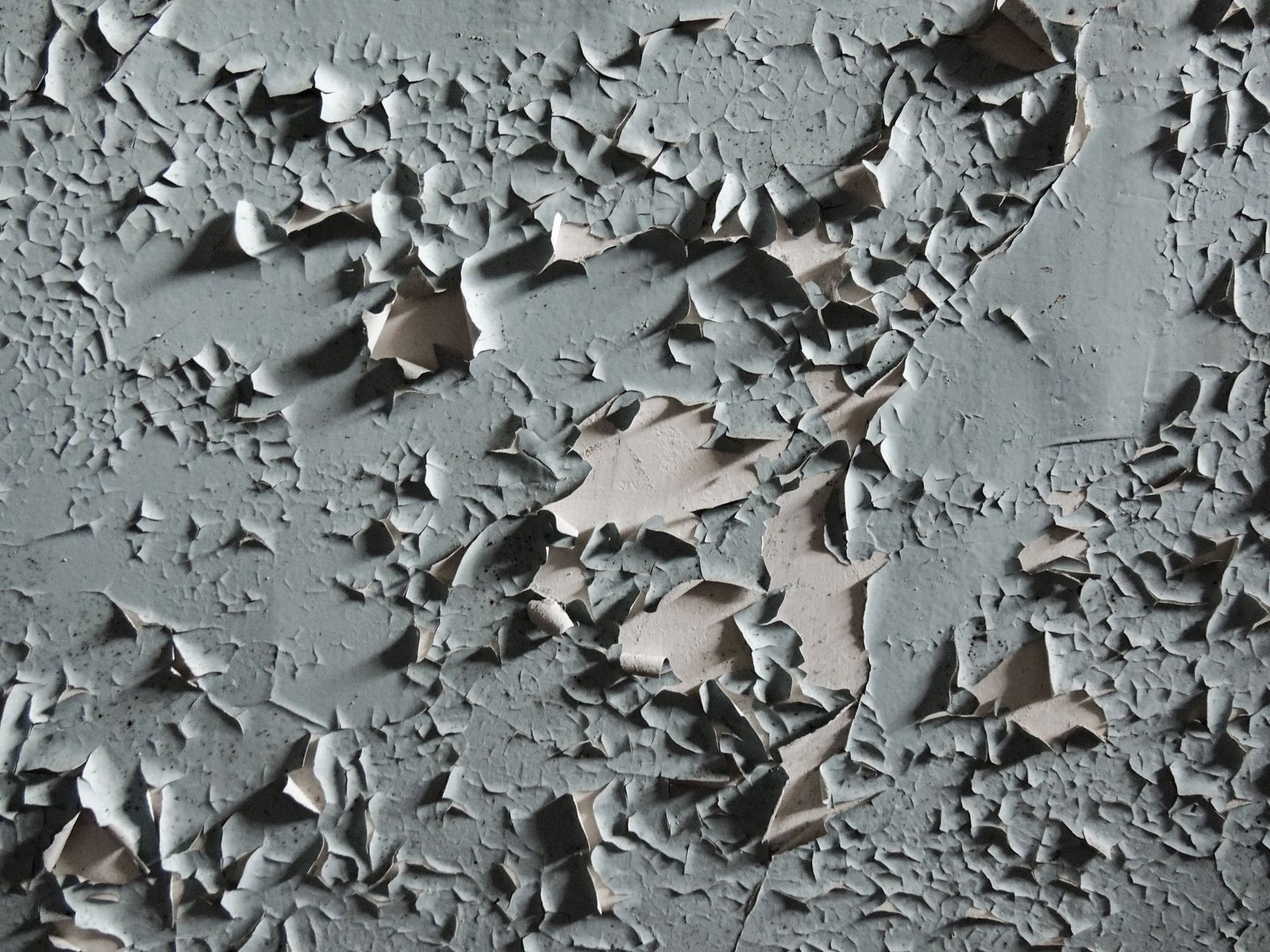
| Peeling paint or bubbling wallpaper | Weakly: often a leak | Is the damage in one patch or spread around cold surfaces? |
| Clammy air, rust on metal, warped wood | Moderately, and slow to appear | Look for the same room, same surfaces, repeating |
The hygrometer reading is the only one that measures humidity directly. Everything else is a consequence, and consequences have other causes. That is why it comes first and why the rest of this guide keeps returning to it.
Condensation and mould on the cold spots
Water forms on the coldest surface in the room first. That is why condensation on windows is the earliest and most honest sign: the glass is acting as a free dew-point detector. If the glass is wet inside on most mornings through the cold months, the air is carrying more moisture than the house is shedding.
Mould follows the same logic, one stage later. It shows up in corners, on north-facing walls and behind wardrobes because those spots are cold and still. A patch there is a humidity symptom. A patch in the middle of a warm wall is not.
Smell, laundry and the slow signs
A musty smell that comes back after cleaning is a sign of damp material somewhere. It could be damp air feeding mildew, or it could be a wet wall, and the smell cannot tell you which. Hang on to that distinction. Trace it to its strongest point before deciding.
Laundry is the sign people overlook because it is boring. Clothes on a rack in a normal living room should be dry in a day or so. This is my own rule of thumb, not a measured figure, but if the same load takes several days and comes out smelling stale, the room is holding too much water to take any more.
Rust, warped wood and peeling paint are slow signs. They appear after months, not weeks. If you are seeing them, treat the first sign you noticed as late news.
Confirm it with a hygrometer before you buy anything
A hygrometer costs less than a takeaway and it is the only test that matters. The EPA advises keeping indoor humidity below 60%, ideally between 30 and 50%, and notes that an inexpensive humidity meter will tell you where you stand.
Do it properly, not once:
- Put the meter in the room where you saw the sign, on an inside wall, at about chest height and away from the kettle, shower and window.
- Read it morning and evening for a week. Write the numbers down. A single steamy reading after a shower means nothing.
- Compare two meters if you can. Cheap ones disagree by a few points. How humidity is measured explains how to check one against salt.
- Sit the result against the table below.
| What you see over the week | What it means |
|---|---|
| Mostly 30-50% | Fine. Whatever the sign was, it is not general humidity |
| 50-60%, drifting up in the evening | Borderline. Ventilation and habits first |
| Above 60% on most readings | Damp air. A dehumidifier is justified |
| Above 60% and wall surfaces feel wet | Damp air plus a possible leak. Find the water first |
Aim lower in winter if the windows still run wet.
Is it damp air, a leak or a ventilation failure?
This is the part most “signs” lists skip, and it is where people waste money. A dehumidifier removes moisture from the air. It does nothing for a pipe dripping inside a wall or a roof letting rain in.
If you find water near electrics, a ceiling that is sagging or stained brown, or a damp patch that keeps growing, switch off the circuit if it is safe to do so and call a qualified tradesperson. Do not run a dehumidifier to deal with it.
Three clues point away from a dehumidifier:
- A single patch that grows after rain or after the heating or plumbing runs. Humidity does not pick one spot. A leak or penetrating damp does. The page on rising, penetrating and condensation damp shows how to tell them apart.
- A hygrometer that stays in the normal range while the sign persists. If the air is fine and the wall is wet, the water is arriving some other way.
- Moisture with an obvious source. A bathroom with no working extractor, a tumble dryer venting indoors or a cooker with no hood is a ventilation problem. The fan is a better fix than a machine mopping up after it.
Water behind drywall, around leaking pipes or above ceiling tiles can be hidden, and the EPA warns that a mouldy smell with no visible source is a warning sign. The same guide is blunt that cleaning the mould without fixing the water problem means it will probably come back.
Fix the water first, then size the machine
If the meter says damp air and nothing says leak, the order matters. Stop adding moisture where you can: extractor fans on, lids on pans, dryer vented outside. Ventilate briefly when the air outside is drier than inside. Then run a dehumidifier to hold the number down.
Size follows the room and how wet it is, not the sign. What size dehumidifier you need walks through that. If the problem is only one bedroom, the bedroom-specific guide covers the nighttime side.
A dehumidifier will not cure a leak, but it is good at the thing the signs actually describe: air that stays above 60% because nothing is taking the water out of it. Leave it to run until the meter is steady in the 40s or low 50s, then judge again.
One sign is a hint, a week of readings above 60% is the verdict
The signs you need a dehumidifier all come down to the same question: is the air carrying more water than the house can lose? Wet windows, a returning smell and slow laundry say it might be. A week of hygrometer readings above 60% says it is. If the readings are normal and the patch is stubborn, stop shopping and start looking for the water.
FAQ
How do I know if my house needs a dehumidifier?
Look for two or more signs together, such as condensation on the inside of windows, a returning musty smell, mould in cold corners or laundry that will not dry, then check with a hygrometer. If it reads above 60% on most days across a week, a dehumidifier is justified.
What humidity level means you need a dehumidifier?
The EPA advises keeping indoor humidity below 60%, ideally between 30 and 50%. Sustained readings above 60% are the usual point at which a dehumidifier makes sense. A brief spike after a shower does not count.
Can you have too much humidity without seeing condensation?
Yes. Condensation only appears when a surface is colder than the dew point, so well-heated rooms can sit at 60% or more with dry glass. The hygrometer will show it, and a musty smell or slow-drying laundry may be the only visible hint.
Is a damp smell always a sign you need a dehumidifier?
No. A damp smell can come from humid air, but it can equally come from a wet wall, a leak or a blocked drain. If the hygrometer reads normally and the smell is strongest in one place, look for the water source before buying a machine.
Will a dehumidifier fix mould?
It helps stop mould returning by lowering the humidity that feeds it, but it does not remove existing growth or cure a leak. Clean the mould (the EPA says most patches under about 10 square feet you can handle yourself), fix the water problem, then use a dehumidifier to keep the air dry.

