
Last Updated on October 24, 2026 by Umar Farooq
How to dehumidify a basement without a dehumidifier: stop water getting in (gutters, downspouts, ground slope), stop adding moisture inside (laundry, cold pipes), and open the space up only when the outside air is drier than the basement air. Those three do real work. Moisture absorbers and houseplants do very little, whatever the listicles say.
I went through the pages that rank for this question and nearly all of them lead with salt, charcoal and cat litter. That is backwards. The cheap, boring jobs outside the house come first, because a basement that is being fed water will beat any tub you put in it.
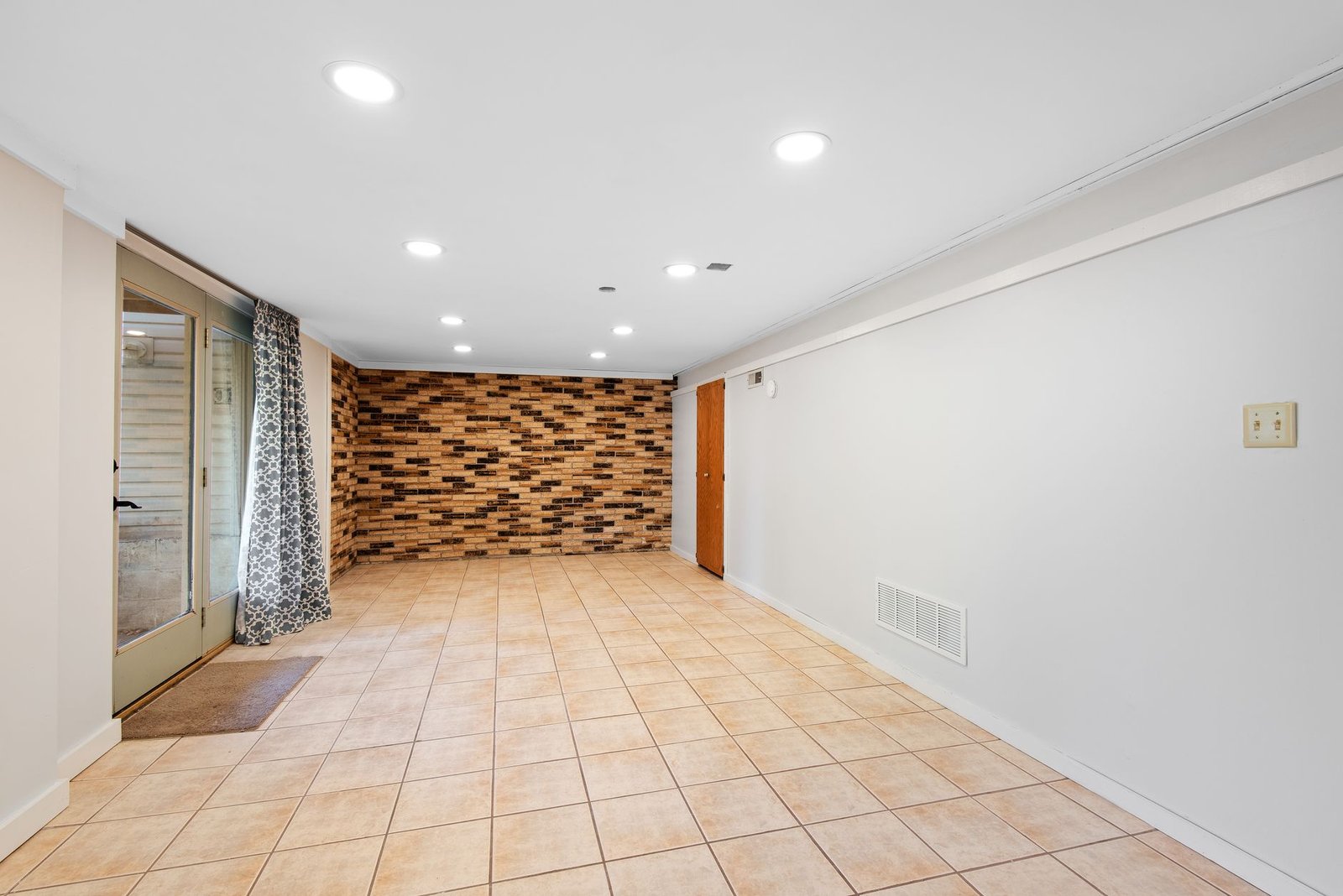
Start with a number, because you cannot see humidity
Before you change anything, put a hygrometer (a cheap humidity meter, usually £10 to £15 / US$10 to $20) at about head height in the middle of the room and read it for a week. The EPA says to keep indoor humidity below 60 percent, ideally between 30 and 50 percent. A basement that sits at 55% and drifts up in summer is a different job from one that sits at 80% all year. My guide to what humidity a basement should be covers the targets in more detail.
The reading also gives you a before-and-after. Everything below is only worth doing if the number moves.
Fix the water outside first: gutters, downspouts and ground slope
Work from a ladder or at a roof edge is the most dangerous thing in this article. Use a stable ladder on firm ground with someone holding it, or hire someone for gutters you cannot reach from the ground.
The EPA is blunt about this: water in the basement can result from the lack of gutters or a water flow toward the house, and its brief guide says to clean and repair roof gutters regularly and make sure the ground slopes away from the foundation. That gives you three jobs a homeowner can do:
- Clear the gutters. A blocked gutter overflows straight down the wall you are trying to keep dry.
- Extend the downspouts. Building Advisor says an extended downspout should carry water several feet from the foundation. A cheap plastic extension beats the elbow that dumps water at the wall base.
- Check the slope. The same page says ground should drop at least 6 inches over the first 10 feet (about 15 cm over 3 m). Walk round the house after a heavy shower and see where water pools. Fill low spots against the wall with compacted soil, not mulch.
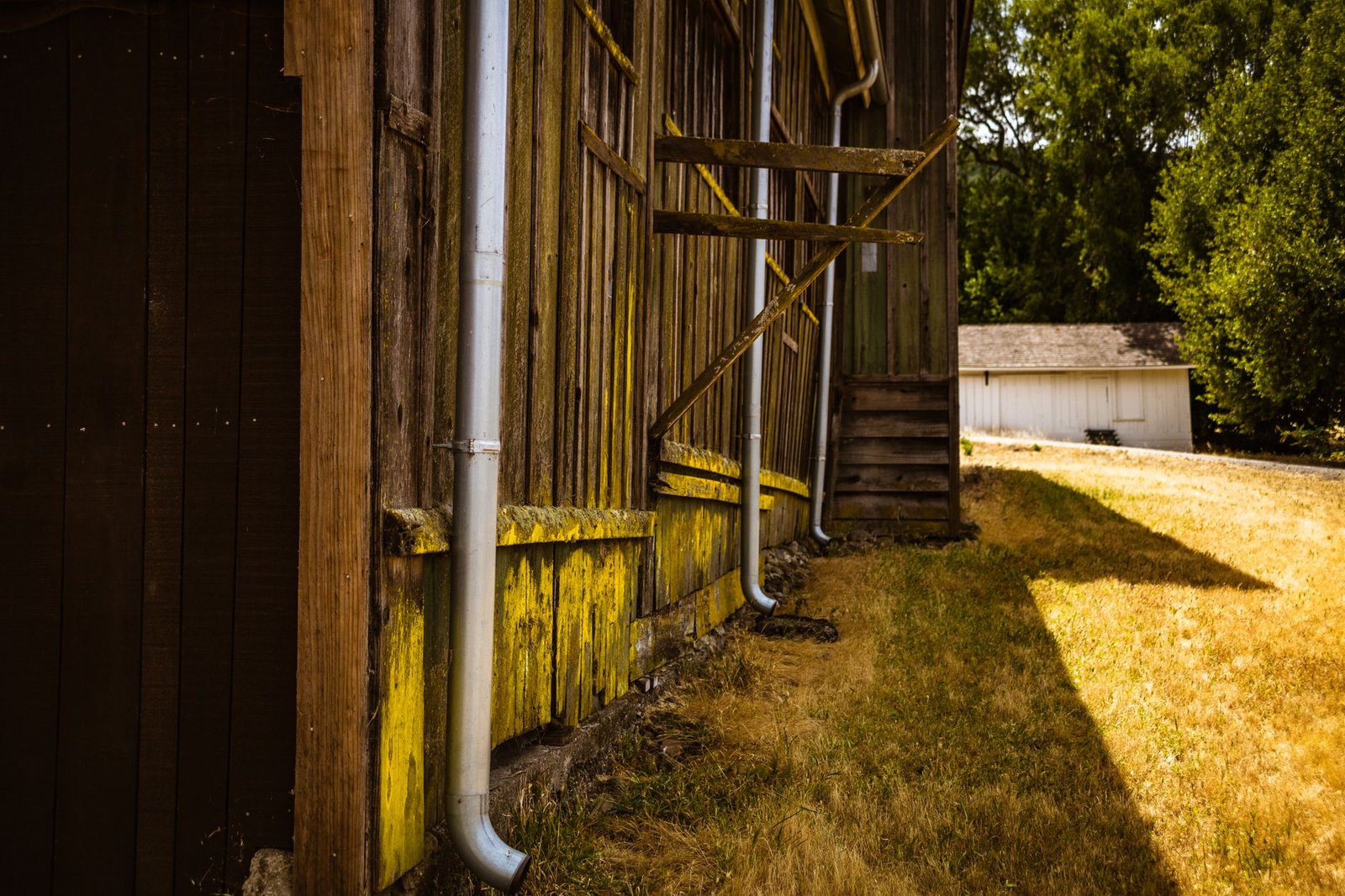
Here is my one firm opinion: if your basement is damp, a downspout that stops at the foundation is the first suspect, and it costs a few pounds to rule out. That is why it comes before any product. If water still comes through after all three jobs, you have a drainage problem that is beyond a DIY fix and beyond this article.
Stop adding moisture from inside
Basements are cold, so the air in them sits close to saturation more of the time, and anything you add shows up quickly.
- Dry laundry elsewhere. A load hung in the basement puts its water into the air. Dry it outdoors, in a vented tumble dryer, or upstairs with a window open. I have not measured a figure for this, so I will not quote one, but it is the biggest indoor source most people can simply stop.
- Vent the dryer outside. A dryer vented into the basement is a humidifier.
- Stop cold pipes sweating. Cold-water pipes in warm, humid air collect condensation. The EPA says to raise the temperature of cold surfaces where moisture condenses, using insulation. Foam pipe sleeves from any hardware shop do it. If a pipe stays wet after you sleeve it, look at the joints: that is a leak, not condensation.
- Extract at the source. Bathroom and kitchen fans should vent outside. The EPA lists exhaust fans in bathrooms and kitchens as a basic control.
Ventilate, but only on the days it helps
Opening a window feels like the free answer. On some days it is. In summer the air outside is often wetter than your cool basement, so opening up brings moisture in, and it then condenses on the cold walls. I covered how to compare dew points and the day-by-day rule in how to reduce humidity in a cellar, so I will not repeat the method. The short version: ventilate in cool, dry weather and close up in muggy weather. If you are not sure why summer is the worst time, why a basement is humid in summer explains it.
A fan helps air move across damp surfaces. It does not remove water from the house. Moving wet air around a wet room is just a draught.
Moisture absorbers: use the real capacity, not the label’s hope
Calcium chloride tubs, silica gel, charcoal, rock salt and baking soda all do pull in water. The trouble is how little. Here is my own arithmetic, so treat it as an estimate: a 40 m² (430 sq ft) basement with a 2.4 m ceiling holds about 96 m³ of air. At 15°C (59°F), saturated air carries around 12.8 g of water per cubic metre (a standard physics figure, not a measurement of your room). Dropping that room from 70% to 50% means removing about 245 g of water, once. That is a few tubs the first time, and then the water keeps arriving through the walls and floor.
My write-up on whether moisture absorbers work has the capacity numbers and the reasoning behind my view: for a shelf or a cupboard, yes; for a basement, no. Plants are weaker still. I could not find a measured test showing houseplants lower the humidity of a basement, so I would not count on them.
When the machine is the only answer
Passive fixes have a ceiling, and I would rather tell you where it is. You need a machine if:
- Humidity stays above 60% after you have fixed gutters, slope and indoor sources.
- The basement is damp every summer because the incoming air is simply wet.
- You use the space (a gym, a bedroom, a store room) and need a stable reading.
- Musty smells or mould keep coming back. The EPA says that if you clean mould but do not fix the water problem it will most likely come back.
At that point a compressor or desiccant unit sized to the space is not a luxury. Start with choosing a dehumidifier for a basement. Mould covering more than about 10 square feet (roughly 1 square metre) is the EPA’s threshold for professional guidance, which is a separate job from drying the air.
How to dehumidify a basement without a dehumidifier: water first, air second, machine last
The order matters more than the products. Fix gutters, downspouts and slope; stop laundry and sweating pipes; ventilate only on dry days; read the hygrometer. If it still sits above 60%, no tub of salt will save you, and I would sooner you bought the machine than kept buying tubs. Do the free bits first and you may well not need one.
FAQ
Can you dry a basement without a dehumidifier?
You can lower humidity by stopping water entering, stopping indoor sources and ventilating on dry days. Whether that is enough depends on how wet the incoming air and ground are. If a hygrometer still reads above 60% afterwards, passive methods have reached their limit.
Do fans help dehumidify a basement?
A fan moves air but does not remove water. It helps damp surfaces dry and stops stagnant corners, and it works best combined with an open window on a cool, dry day. On its own it just circulates the same humid air.
Do moisture absorbers work in a basement?
They work for a small closed space such as a cupboard. Across a whole basement the capacity of a tub is small against the water entering, so the effect is modest and hard to see without a hygrometer.
Does opening windows reduce basement humidity?
Only when the outside air is drier than the basement air. In warm, humid weather it can make things worse, because the moist air cools on the basement surfaces and condenses.
How do I stop my basement being damp in summer?
Check the gutters and downspouts, keep laundry out of it, insulate cold pipes, and keep it shut on muggy days. If it still reads high, a dehumidifier is the reliable fix, because summer air is too wet to ventilate your way out of.

