
Last Updated on October 25, 2026 by Umar Farooq
How long for paint to dry in high humidity? Longer than the time printed on the tin, often noticeably so, and there is no single honest figure because it depends on the paint, the coat thickness, the temperature and the airflow as well as the humidity. What you can do is plan for extra time, test before you recoat and bring the room’s humidity down.
I wanted to give you a neat table of hours at each humidity level. I could not, because the sources that offer one are not the paint manufacturers, and they disagree with each other. So here is what is solid, what is a rule of thumb, and how to tell for yourself.
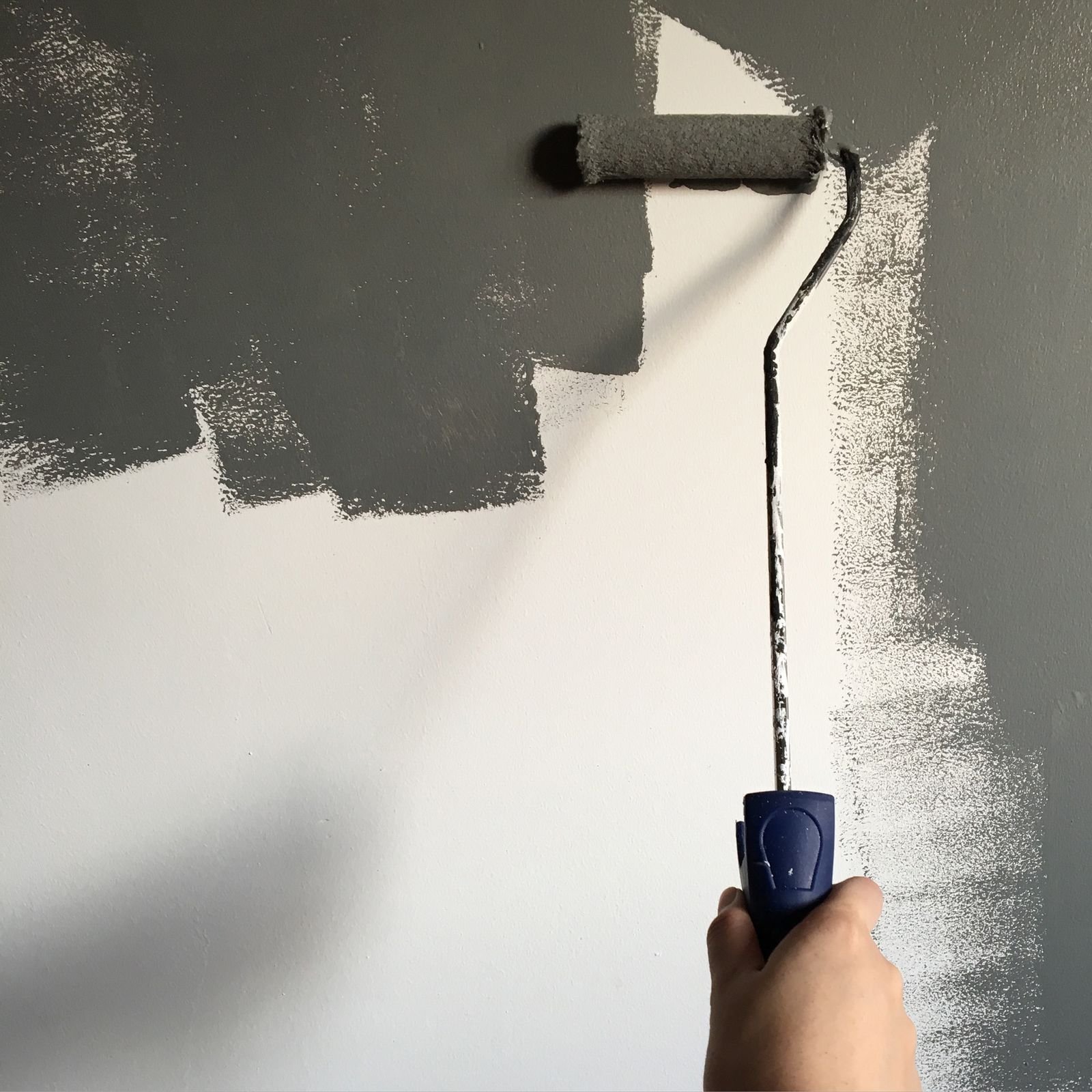
Why humidity slows paint drying
Water-based paint dries as the water in it evaporates into the surrounding air. Humid air is already carrying a lot of water, so evaporation is slower. DuPaint’s interior paint guide says high humidity slows both evaporation and coalescence, which is the stage where the paint particles fuse into a film.
Cold makes it worse. Cold air holds less moisture but evaporates water more slowly, and a cold wall can also pull moisture out of the air, which is the same condensation that causes so many other problems in a house. That last point is my own reasoning, not a figure from a paint maker, but it is why painting a cold, steamy room is a gamble.
What the numbers say, and where they run out
Here is what I could verify from pages I opened.
- Bob Vila’s paint drying guide advises painting in rooms at or below 50% humidity for the fastest drying, and says high humidity means longer dry times and a dehumidifier can help.
- For latex paint, the same guide gives about 1 hour to touch-dry, about 4 hours before recoating and typically 2 to 4 weeks to cure fully, under normal conditions.
- It gives 50 to 85 degrees Fahrenheit (about 10 to 29 degrees Celsius) as the usual working temperature range for latex.
Anything more specific, such as “double the drying time at 70%” or “3 to 5 days at 90%”, comes from sites that do not name a paint manufacturer or a test. I would not plan a job around those. The accurate answer is: tin times are measured in moderate conditions, so expect longer, and look at the paint’s technical data sheet for its own limits.
Dry, recoat and cure are three different clocks
People mix these up, and humidity affects all three.
| Stage | What it means | Practical check |
|---|---|---|
| Dry to touch | Surface no longer wet | Light touch leaves no paint on the finger |
| Ready to recoat | Film firm enough for the next coat | Check the tin, add time in humid weather |
| Cured | Binders fully hardened | Weeks, so go gently on the wall until then |
The same guide makes the point that a paint film can feel dry before curing has even begun, and curing can take significantly longer than drying. Recoating too soon is the most common way humidity ruins a finish, because the first coat is still holding water and the second traps it.
How long for paint to dry in high humidity: how to tell, not guess
Use these checks instead of a number.
- Touch test, in an inconspicuous spot. If it is tacky, cool or still looks wet, wait.
- Look at the finish. A slightly dull or uneven patch often means it is still losing water.
- Read the room. Put a hygrometer in it. If it shows 70% or more, plan on extra hours, not minutes.
- Add a margin. A common sense approach is to leave the recoat gap well beyond the tin’s minimum in damp conditions.
Five ways to speed up paint drying in a humid room
- Lower the humidity first. Run a dehumidifier in the room for several hours before you start, and keep it running while the paint dries. How to lower humidity in a house has the full approach, and the EPA’s 30 to 50% range is the sensible aim.
- Move the air. A fan across the room, not pointed at the wet wall, and an open window if the outside air is drier than inside.
- Warm the room gently. Steady background heat, not a heater next to fresh paint.
- Paint thin coats. Thick coats hold more water and take longer, and they can wrinkle or sag.
- Choose the time of day. Start in the morning so the wall has all day to dry, rather than late evening when the air cools and damp.
Do not paint a wall that is damp
All of the above assumes the wall itself is dry. If the wall is damp, no amount of dehumidifying the air will let paint hold. Treating damp walls before painting sets out the order, and why condensation can cause paint to bubble explains what happens if you ignore it. If you are tempted by a special paint, does anti-mold paint work is worth reading first.

Humid-room paint takes longer, so plan for it and measure rather than trust the tin
So how long for paint to dry in high humidity? Longer than the tin says, by an amount nobody can honestly put a number on for your paint and your room. Drop the humidity, move the air, paint thin, wait for the touch test, and treat the cure time as weeks.
FAQ
Does humidity affect how fast paint dries?
Yes. Water-based paint dries by evaporation, and humid air takes up water more slowly, so drying and curing both take longer. Bob Vila advises 50% humidity or lower for the fastest drying.
Can you paint when it is humid?
You can, but expect longer drying times and check the paint’s data sheet for humidity limits. Lowering the room’s humidity with a dehumidifier and ventilation helps a lot.
How long should I wait to recoat paint in humid weather?
Longer than the tin’s minimum. Latex is often given as about 4 hours under normal conditions, so allow extra and check by touch that the first coat is properly firm.
What humidity is best for painting?
At or below about 50% relative humidity gives the fastest drying, according to Bob Vila. Check your paint’s own guidance for its working range.
Why is my paint still tacky after a day?
Humidity, cold, a thick coat or poor airflow can all leave paint tacky. Improve ventilation, lower the humidity and give it time. If it stays soft, the wall may be damp, or the coat too thick.

