
Last Updated on October 26, 2026 by Umar Farooq
Why is my bungalow damp? Most often it is condensation, because a single-storey home packs the kitchen, bathroom and bedrooms onto one floor and gives the moisture nowhere else to go. After that comes a building defect letting rain in, and last, and least likely, rising damp.
A bungalow has no upstairs to send steam up to and no landing to dilute it. Everything you cook, wash and breathe stays at the same level as the cold walls.
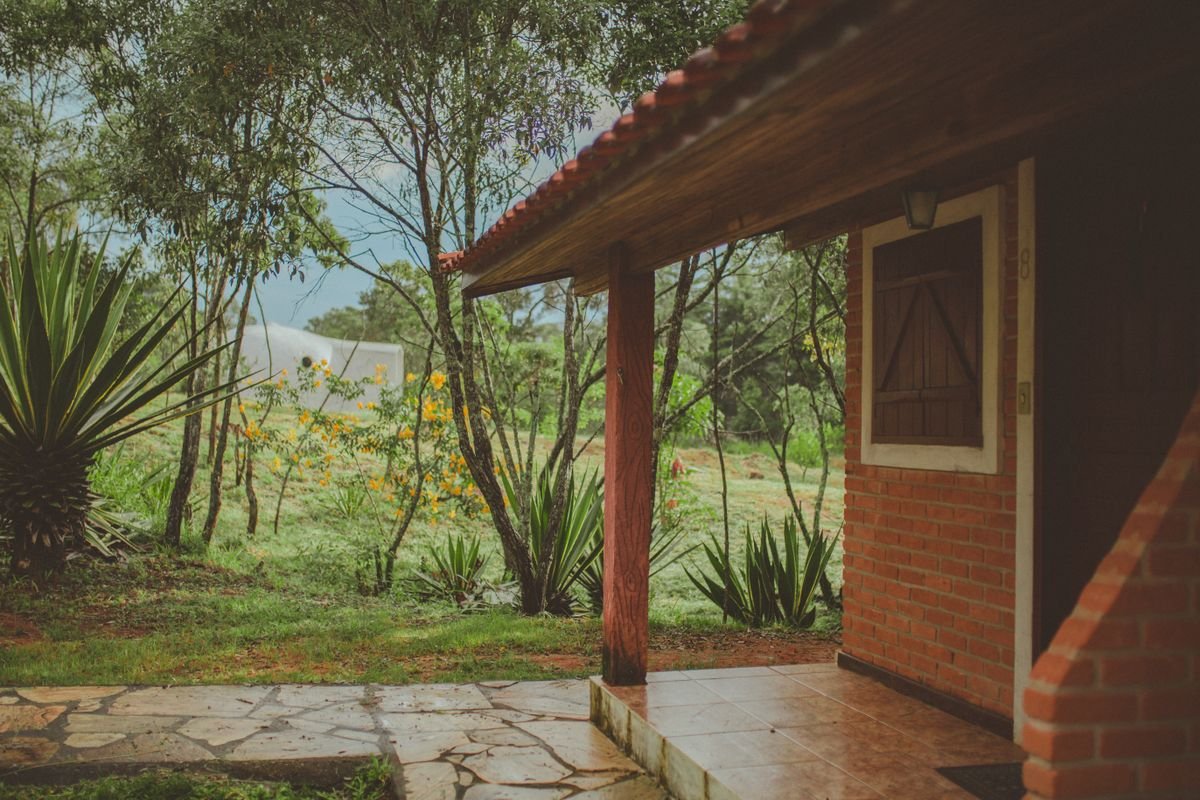
Why is my bungalow damp? Condensation is the usual answer
The damp and timber specialist Timberwise sets out the argument clearly in its article on whether bungalows are more likely to develop damp than houses. It presents condensation as the most common cause of damp it finds in bungalows, and gives three reasons:
- One level. All rooms are on the same floor, so the moisture from cooking and bathing is generated close together rather than spread over two storeys.
- Fewer vents. The article says bungalows can have fewer air bricks, vents and extractor fans than other property types.
- Habits. It suggests occupants may ventilate less to save on heating, which keeps the moist air in.
It adds one exception: a dormer bungalow, with bedrooms upstairs, may generate less ground-floor condensation.
I would add one piece of reasoning of my own, which is not from that article: in a two-storey house the warm, moist air can climb the stairs and spread, while in a bungalow it sits against the same external walls it started at. Condensation forms on cold surfaces, as the RICS guide to damp describes, so a bungalow with cold external walls and shut doors is a very good collector.
Typical signs: wet window frames and sills in the morning, mould in corners and behind wardrobes on outside walls, and a musty smell in the bedroom. If that sounds familiar, read signs of poor ventilation in a house next.
Rising damp in a bungalow: rarer than people think
The expensive diagnosis is rising damp, and in a bungalow it is usually the wrong one. Timberwise says that most UK bungalows were built from about the 1930s to the 1970s with a damp-proof course (DPC) as standard, so rising damp is relatively rare unless that DPC has failed. Older solid-wall bungalows are a different case.
Independent bodies are just as cautious. RICS says rising damp is often misused and often misdiagnosed and that failure of an original DPC is extremely rare. SPAB says it is widely misdiagnosed on the basis of high electrical moisture meter readings alone, and that a true case should show visible signs such as a tide-mark.
In a bungalow all the walls are ground-floor walls, so there is no “damp can’t reach that high” shortcut. The test is the evidence: a horizontal tide-mark, salts, damp that does not vary with the weather. If you see those, get a surveyor. If you do not, do not sign anything.
Penetrating damp: the roof, chimney and walls
Penetrating damp is water entering through a defect. Timberwise lists a blocked drain, an unprotected chimney breast and bad pointing as examples, and says it typically gets worse in wet weather. RICS adds leaking or blocked gutters and rainwater pipes, and raised ground next to walls.
My own reasoning, not Timberwise’s: a bungalow’s roof is large compared with its walls, so a failing roof covering or flashing has more chance of showing up as a stain on a ceiling or at the top of a wall. The loft above is also a good place to look: a cold loft collecting condensation can drip through to the rooms below, as covered in condensation in a loft.
Check these from the ground or with binoculars, not by climbing on the roof:
- Slipped, cracked or missing tiles, and broken flashing around the chimney.
- Gutters overflowing or downpipes leaking at the joints.
- Pointing that has crumbled on a wall that is damp inside.
- A path, patio or flower bed that touches or rises above the damp-proof course level.
The pattern separates it from condensation. Damp that follows the rain and stays in one place points to water entering. Damp that follows cold nights and cold walls points to condensation.
Ventilate the way a bungalow actually needs
Here is my opinion, and it is only that: in a bungalow the fix is almost always air and heat, and the money is almost never in a chemical damp-proof course. If you have no tide-mark, no rain-related patches and a lot of morning condensation, you have a ventilation problem.
What helps, in order of cost:
- Extract at the source. Use the cooker hood and bathroom fan while cooking and washing, and leave them running a few minutes after. If you have none, fit one.
- Open doors inside. A bungalow is one floor, so open internal doors let the drier rooms share air with the wet ones.
- Clear the vents. RICS says air vents in bedrooms and cupboards should not be blocked, and that opening windows for about five minutes every hour is generally enough, with extractor fans in use when cooking or bathing.
- Keep it evenly warm. Cold bedrooms with the door shut are the ones that grow mould.
- Dry washing outside or in a vented room, not on an airer in the bedroom.
How to ventilate a house to reduce moisture goes through each step in detail.
If you do add a dehumidifier, the hallway is the best spot in a bungalow, the same way a landing is in a house, because every internal door opens onto it. The placement guide explains why.
A bungalow’s damp is a ventilation problem until the evidence says otherwise
Start with condensation, then rain entry, and only then think about rising damp. Look for the pattern first: cold mornings or wet weather, one spot or many, and a tide-mark or none. A damp bungalow with a clean roof and no tide-mark almost always needs more air, more even heat and less steam in the wrong place.
FAQ
Are bungalows more prone to damp than houses?
Timberwise argues that condensation is often worse in bungalows, because all the rooms are on one level, there may be fewer vents and extractor fans, and occupants may ventilate less. It also says rising damp is relatively rare in bungalows with an original damp-proof course.
Is damp in a bungalow always rising damp?
No. RICS says rising damp is often misdiagnosed, and SPAB says meter readings alone are not enough to diagnose it. Look for a tide-mark and check condensation and rain entry first.
How do I stop condensation in a bungalow?
Extract steam from the kitchen and bathroom, open internal doors, keep bedroom and cupboard vents clear and keep rooms evenly warm. Wipe condensation off windows rather than leaving it to soak into frames.
Can a dormer bungalow have less damp?
Timberwise says a dormer bungalow, with bedrooms upstairs, may generate less ground-floor condensation. It is a tendency, not a guarantee, so the checks above still apply.
When should I call a surveyor?
If you see a tide-mark with salts, damp that is still spreading after you have improved ventilation, or stains that follow heavy rain. RICS advises a specialist building surveyor with building pathology experience for complex causes.

